





The Allure: Why the Buzz Around Raw Milk?
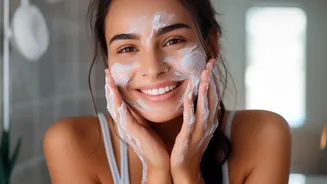
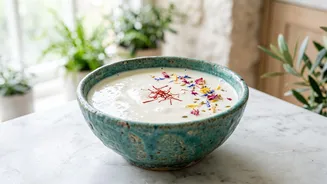
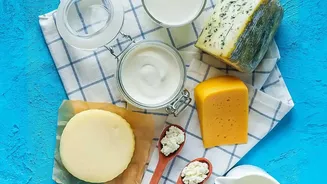
The idea of using milk for beauty is as old as Cleopatra's legendary milk baths. Today, celebrities like Mira Rajput Kapoor and Shobhita Dhulipala have praised raw milk as a natural toner for hydration and exfoliation. The appeal lies in its simplicity
and natural composition. Proponents claim its blend of fats, proteins, and vitamins can moisturise, soothe, and brighten the skin. The star ingredient is often cited as lactic acid, a well-known alpha-hydroxy acid (AHA) that helps remove dead skin cells. With promises of fading acne marks and boosting radiance, it's easy to see why this kitchen staple has become a viral skincare trend.
The Theory vs. The Science
In theory, the components of milk could benefit the skin. Lactic acid is a proven exfoliant used in many commercial skincare products to improve texture and stimulate cell renewal. Vitamins A and D, also present in milk, play roles in skin health. However, the concentration of lactic acid in raw milk is inconsistent and far lower than in formulated skincare products, where it is balanced for a specific pH to be effective and safe. While some dermatologists acknowledge milk's potential to gently cleanse or moisturise, there is little to no clinical evidence to support claims that raw milk is a superior or even reliable treatment for skin concerns like hyperpigmentation or acne.
The Major Risk: Unwanted Bacteria
The most significant concern with using raw milk topically is the risk of bacterial infection. Unlike pasteurised milk, which is heated to kill harmful microorganisms, raw milk can contain dangerous bacteria like E. coli, Salmonella, and Listeria. Applying this to your face, especially if you have compromised skin from acne, cuts, scratches, or conditions like eczema, is asking for trouble. Dermatologists warn this can lead to serious skin infections, irritation, and breakouts. Essentially, you could be introducing the very thing you're trying to fight: bacteria that cause inflammation and blemishes.
Not Suitable for All Skin Types
Even without the bacterial risk, raw milk is not a one-size-fits-all solution. For those with oily or acne-prone skin, the fats and proteins in milk can clog pores and worsen breakouts. In fact, both topical application and oral consumption of dairy have been linked to increased acne in some individuals. Furthermore, people with a dairy sensitivity or allergy can experience reactions like redness, itching, and hives from applying milk to their skin. The pH of milk can also disrupt the skin's naturally acidic barrier, potentially leading to dryness and increased sensitivity.
Safer Alternatives for Glowing Skin
If you're seeking the benefits attributed to raw milk, there are much safer and more effective ways to achieve them. \n\nFor exfoliation: Look for products formulated with alpha-hydroxy acids (AHAs) like glycolic acid or, indeed, lactic acid. These are created at the correct concentration and pH to work effectively without the risk of infection. \n\nFor moisture: Instead of milk fats, turn to proven hydrators like hyaluronic acid, glycerin, and ceramides. These ingredients are designed to replenish the skin's moisture barrier effectively. \n\nFor acne: Consult a dermatologist for targeted treatments. Using raw milk on acne-prone skin can add fuel to the fire by clogging pores and introducing bacteria.