




The Shifting Cost Landscape
Thailand remains an affordable destination compared to the West, but prices in its most famous spots have climbed. Factors like global inflation and a post-pandemic tourism strategy focusing on higher-value visitors have made some areas noticeably more
expensive. While you can still find budget-friendly options, the days of ultra-cheap travel across the board are fading. The key issue for many travellers is 'dual pricing' — a system where foreigners are charged more than locals for things like national park entry. While the government has pledged to address this, it remains a common practice that can leave a sour taste. This makes it more important than ever to understand where your money goes furthest.
The Southern Islands: Phuket and Krabi
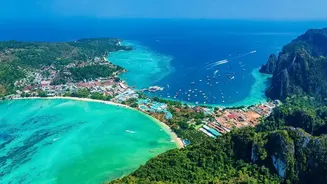
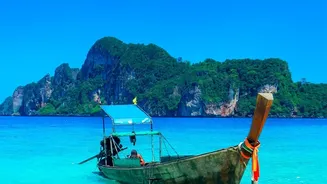
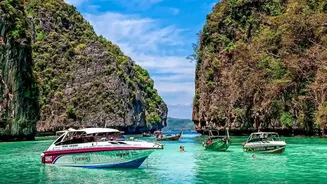
Phuket, Thailand's largest island, is often the first image that comes to mind for a beach holiday, with its bustling nightlife in Patong and extensive resort infrastructure. However, this popularity comes at a cost. Accommodation, food, and especially transport like taxis can be significantly more expensive here than elsewhere in the country. A short taxi ride can be surprisingly costly, and meals at beachfront restaurants will strain a tight budget. Krabi offers a similar landscape of stunning limestone cliffs and beautiful beaches, sometimes at a slightly lower price point than Phuket, but it still caters to a resort-heavy market. The value here is in the spectacular scenery and world-class beaches, but it requires a bigger budget, especially during peak season.
The Northern Alternative: Chiang Mai
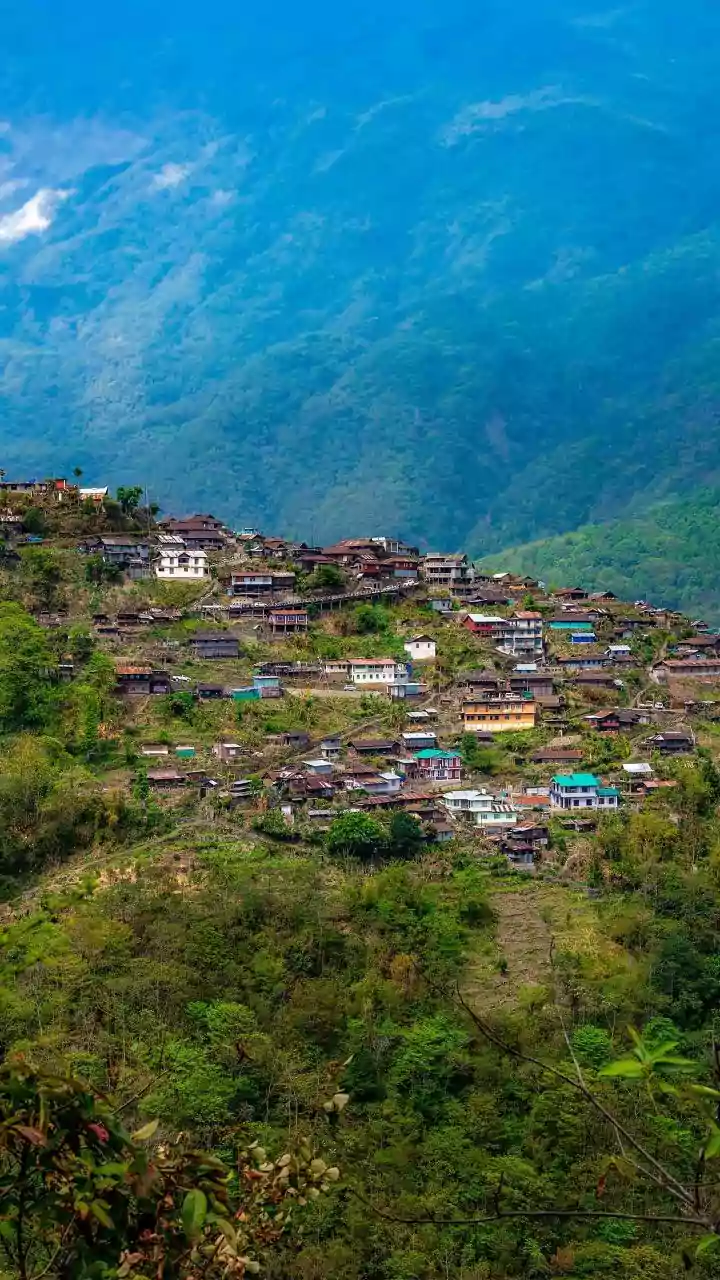
For travellers whose budgets are feeling the squeeze, Northern Thailand offers a compelling alternative. Chiang Mai, the region's cultural hub, is significantly cheaper than its southern counterparts. Accommodation, food, and activities can cost almost half of what you might spend in Phuket. Instead of beaches and island hopping, Chiang Mai offers a rich tapestry of ancient temples, lush mountains, ethical elephant sanctuaries, and a celebrated food scene. The vibe is more relaxed and centred on culture and nature. For those prioritising authentic experiences and stretching their budget, Chiang Mai delivers exceptional value. A daily budget that would feel tight on the islands can feel generous in the north.
Bangkok: A Balancing Act
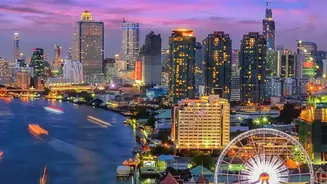
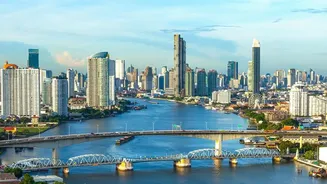
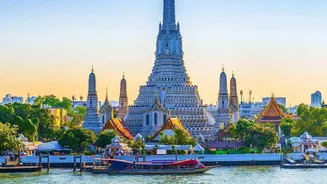
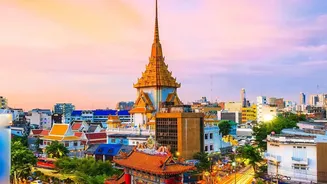
Thailand's sprawling capital, Bangkok, is a city of contrasts in price as well as culture. It's home to both luxurious rooftop bars and 50-baht street food meals that are among the best in the world. While accommodation can be pricey in prime areas, the city's excellent public transport system, like the BTS Skytrain and MRT, makes getting around cheap and efficient. The biggest challenge in Bangkok is avoiding common tourist traps, such as tuk-tuk drivers who insist an attraction is 'closed' to take you to a gem or tailor shop instead. By eating locally, using public transit, and being wary of unsolicited offers, travellers can experience the city's incredible energy and history without breaking the bank.
Strategies for Smarter Travel
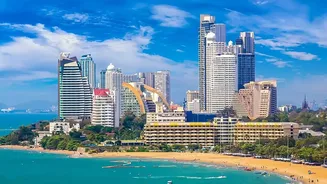
Getting the best value in Thailand today requires smart planning. Firstly, consider travelling during the shoulder seasons (April–June and September–October) when prices for flights and hotels are lower. Secondly, embrace local food. Street food stalls and local markets offer delicious and authentic meals for a fraction of the cost of tourist–oriented restaurants. For transport, use ride–hailing apps like Grab to get a fair price instead of haggling with taxis or tuk–tuks. Finally, look beyond the most famous names. Islands like Koh Lanta or mainland beach towns can offer a similar experience to Phuket with fewer crowds and lower costs.