






A Landscaping and Ornamental Gem
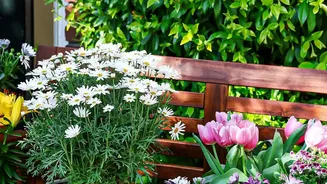
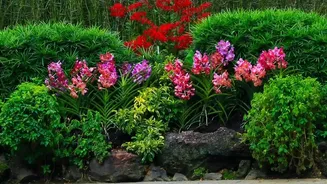
The most common use for African Jasmine is in landscaping and ornamental gardening. Its ability to function as both a scrambling shrub and a climbing vine makes it incredibly versatile. Gardeners train it over trellises, along fences, or against walls
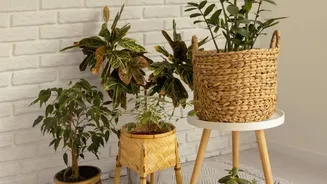
to create a lush, evergreen screen. It can also be pruned into a dense, handsome hedge or allowed to grow as a groundcover. Its adaptability extends to containers, making it a perfect choice for patios and indoor spaces where its beauty can be appreciated up close. With its dark, glossy foliage and profusion of flowers, it provides significant visual appeal year-round.
Natural Aromatherapy and Air Freshener
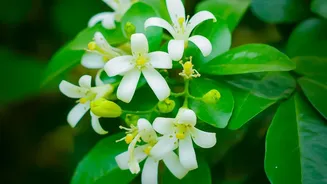
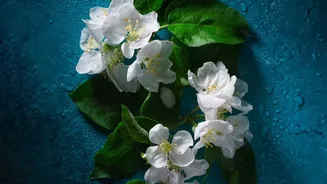
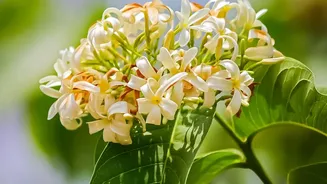
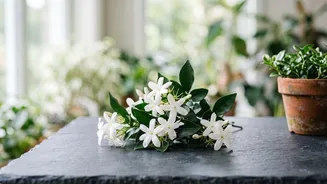
The defining feature of African Jasmine is its enchanting fragrance, which is delicate during the day and grows more potent in the evening. This powerful scent makes it an exceptional natural air freshener. Placing a potted plant indoors can fill a room with a sweet, calming aroma, masking unpleasant odours without the need for synthetic sprays. The fragrance is widely used in aromatherapy to reduce stress and anxiety. Inhaling the scent is believed to calm the nervous system, creating a relaxing atmosphere that helps unwind the mind after a stressful day.
Traditional and Herbal Practices
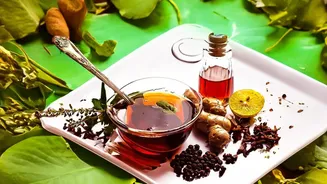
Various species of jasmine have a long history in traditional medicine across Africa and Asia. The flowers, leaves, and roots are the most commonly used parts. In some African traditions, like those of the Maasai people in Kenya, jasmine is used as a remedy for wounds, leveraging its natural antiseptic and anti-inflammatory properties. Teas or infusions made from the flowers are sometimes used to soothe digestive discomfort or promote relaxation. The leaves and flowers have also been applied in poultices for minor skin irritations. While these uses are primarily ethnobotanical, they highlight the plant's long-standing cultural importance.
Culinary and Edible Decorations
Though not as common in cooking as some Asian jasmine varieties, the flowers of African Jasmine are edible and can be used in subtle culinary applications. They can be steeped in hot water to create a delicate floral tea, sometimes blended with other herbs like rooibos. The fresh, star-shaped blossoms also make for a beautiful and fragrant edible garnish on cakes, salads, and desserts. Furthermore, the flowers can be infused into sugar, honey, or neutral oils to impart their gentle, sweet aroma into various culinary creations. It is crucial to only use flowers that have not been treated with pesticides.
Supporting Local Ecosystems
Beyond its direct uses for humans, African Jasmine plays a vital role in supporting local ecosystems. The fragrant flowers are a significant attractant for pollinators, including bees, butterflies, and moths, particularly hawk moths. Planting it in a garden helps support biodiversity. The plant also produces shiny, bluish-black berries that are eaten by various bird species, further contributing to the local food web. This makes it an excellent choice for gardeners looking to create a space that is not only beautiful but also ecologically functional.