







It Starts with Strength
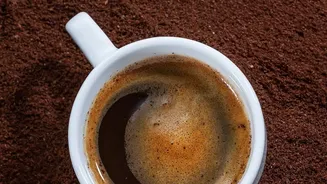
The first major factor in any coffee preference is concentration, often simply called “strength.” This isn't just about how much caffeine is in the cup; it's about the amount of dissolved coffee solids in the water. A potent espresso has a very high concentration, leading
to its intense flavour and thick body. A filter coffee, by contrast, is much more dilute, resulting in a lighter-bodied drink. Our sensitivity to bitterness plays a huge role here. Some people are genetically more sensitive to bitter compounds. Interestingly, studies have shown that people who are more sensitive to the specific bitterness of caffeine often learn to associate it with the positive, stimulating effects, and may actually drink more coffee as a result. This genetic wiring helps explain why one person’s “bold and rich” is another’s “unpleasantly harsh.” Your ideal concentration is a balance between enjoying the rich flavours of the coffee and managing its inherent bitterness.
The Comfort of Creaminess
The second pillar of coffee preference is creaminess, which is all about mouthfeel—the physical sensation of the coffee in your mouth. Adding milk, cream, or a plant-based alternative fundamentally changes the texture of the drink. Coffee is over 98% water, but the fats and proteins in milk transform its texture, making it feel thicker, smoother, and more velvety. These components do more than just add texture; they also interact with the coffee's flavour. The proteins in milk bind to tannins, which are bitter-tasting compounds, effectively softening the coffee's edge and making it more palatable. Furthermore, the natural sugars in milk, like lactose, add a subtle sweetness, especially when steamed correctly. This is why even without adding sugar, a well-made latte or cappuccino can taste noticeably sweeter and less bitter than a black coffee. The boom in alternative milks like oat and soy has introduced even more textural variety, allowing for a highly customised creamy experience.
Why Cup Size Matters
Finally, the size of the cup itself plays a surprisingly significant role in our perception and enjoyment. This isn't just about wanting more or less caffeine. Research has shown that the shape and size of a mug can influence how we expect a coffee to taste. People tend to associate shorter, narrower cups with more aromatic and intense, bitter flavours—perfect for an espresso. Conversely, wider mugs are often perceived as holding a sweeter-tasting beverage. A larger cup also changes the coffee-to-milk ratio, diluting the coffee's concentration and creating a milder drink. The choice of a large travel mug can be a practical one for a long commute, delivering caffeine over a longer period. A small demitasse of espresso, however, is about a quick, intense flavour ritual. The size of your coffee order is therefore a statement about the kind of experience you're seeking: a prolonged comfort drink or a quick, powerful flavour hit.
The Perfect Combination for You
While concentration, creaminess, and cup size are the dominant factors, they don’t tell the whole story. Acidity, aroma, and the addition of sugars or syrups also play a part. Caffeine itself can even alter our perception of taste, with some studies suggesting it suppresses our ability to taste sweetness, which might make us add more sugar. Other research suggests coffee can actually make us more sensitive to sweetness. Ultimately, your perfect coffee is a unique equation of all these elements. It’s a sensory preference shaped by your genetics, daily habits, and even the mug you’re holding. Understanding these components doesn't just explain your current go-to order; it can also give you the confidence to experiment.