

A Diplomatic Delivery
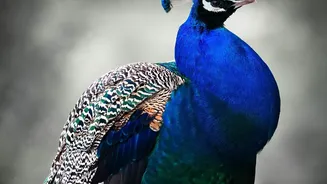
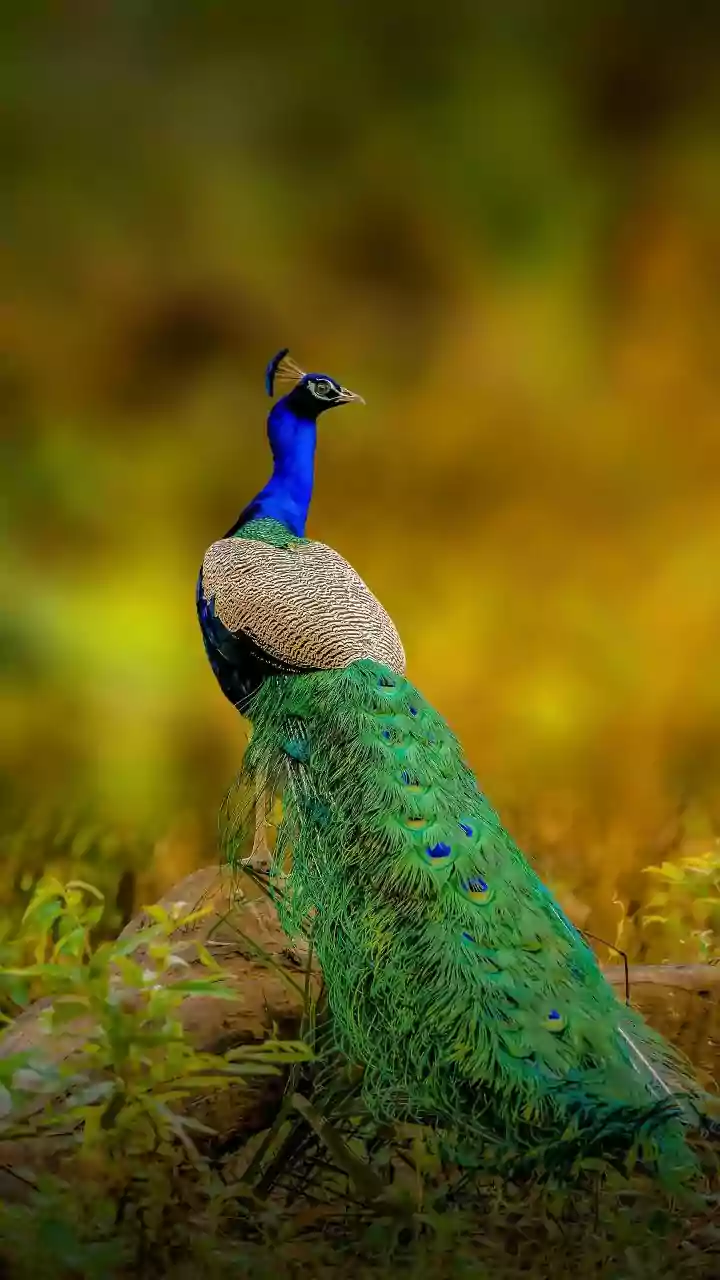
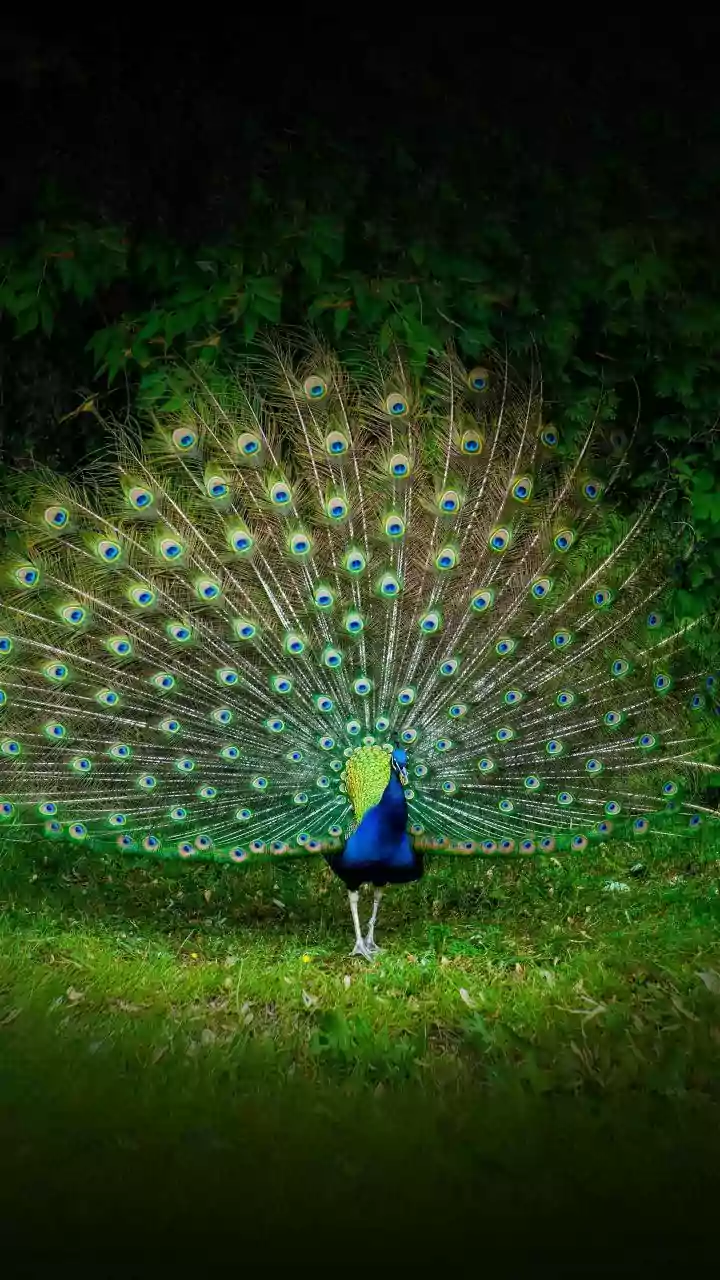
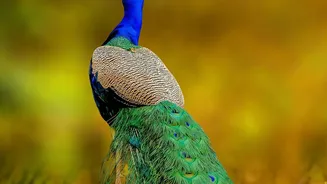
In a special ceremony at the United Nations Office at Geneva (UNOG), India's Permanent Representative, Ambassador Arindam Bagchi, formally presented five young peafowl to UNOG Director-General Tatiana Valovaya. The gift comprised four classic blue Indian
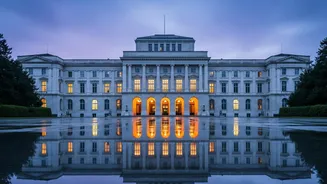
peacocks and one rare white male. This striking combination was noted by officials, as the blue and white plumage mirrors the official colours of the United Nations. The birds will initially acclimate in a temporary enclosure within the sprawling Ariana Park, home to the UN's European headquarters, before being allowed to roam freely. The gesture was warmly received, with the UN welcoming the birds as a vibrant addition to the park's existing biodiversity.
An Echo of 1981
This act of diplomacy is not new, but a deliberate revival of a 45-year-old tradition. In 1981, then-Prime Minister Indira Gandhi arranged for a breeding pair of peacocks to be sent from the Delhi Zoo to Geneva. Those birds and their descendants graced the grounds of the Palais des Nations for decades. However, over time, their population naturally dwindled, eventually leaving just a single peacock. The recent gift was a direct response to this decline, ensuring the continuation of a historic presence. Ambassador Bagchi noted that India was “delighted to be able to continue this tradition,” bridging a 45-year gap and reinforcing a long-standing connection between India and the UN in Geneva.
The Symbolism of the Peacock
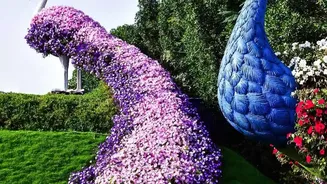
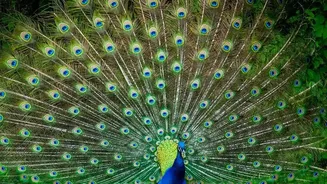
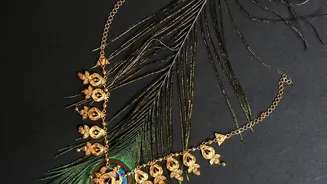
The choice of the peacock is deeply significant. As India's national bird, the Pavo cristatus is a potent symbol of grace, beauty, and pride. In Indian culture and mythology, the peacock is associated with royalty, divinity, and auspiciousness. It is linked to deities like Lord Krishna, who wears its feather in his crown, and Kartikeya, the god of war, who uses it as his mount. The famous Mughal 'Peacock Throne' further cemented its association with power and majesty. By gifting peacocks, the Indian mission stated it was showcasing India's rich natural heritage, its commitment to biodiversity, and a cultural ethos that values grace and resilience.
A Strategy of Soft Power
Beyond its historical and cultural layers, the gesture is a calculated move in the modern theatre of international relations. Termed 'peacock diplomacy', it is a form of soft power—the use of cultural and economic influence to persuade. In an era dominated by geopolitical tensions, such acts of goodwill and cultural exchange stand out. They offer a narrative that is not about conflict or competition, but about shared heritage and partnership. The donation underscores India's commitment to multilateralism and its enduring relationship with the United Nations. It subtly projects an image of India as a custodian of natural beauty and a nation confident in its ancient culture, using it to build bridges in the 21st century.
A Tradition Older Than the UN
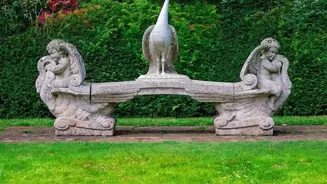
Interestingly, the presence of peacocks in Ariana Park predates even the United Nations itself. The tradition began in the late 19th century when Swiss collector Gustave Revilliod bequeathed the estate to the city of Geneva with one unusual condition: that peacocks must always be allowed to roam freely on the grounds. India's donations in 1981 and 2026 are therefore not just a bilateral gesture but a contribution to a unique local heritage that has been witnessed by diplomats and world leaders for over a century. The five new arrivals from India are now part of this living history, adding a fresh chapter to a story of nature, culture, and international cooperation.