








The System Behind Your Meal
Ensuring food safety across one of the world’s largest railway networks is a monumental task. The Indian Railway Catering and Tourism Corporation (IRCTC) and Indian Railways have established a multi-layered system to manage this. The foundation of this system rests
on FSSAI (Food Safety and Standards Authority of India) regulations, which are mandatory for all catering units, from sprawling base kitchens to mobile pantry cars. Every vendor, restaurant, and caterer operating within railway premises must have an FSSAI license, which subjects them to specific hygiene and safety standards. The improvement of these services is an ongoing process, involving regular third-party audits of catering services, surprise inspections by railway officials, and customer satisfaction surveys to keep the quality in check.
Technology as a Safety Net
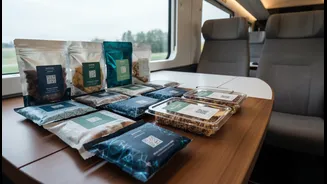
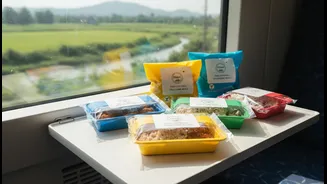
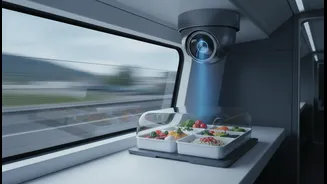
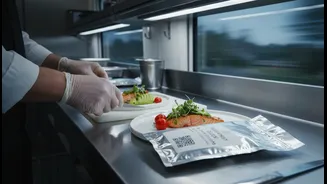
In recent years, technology has become a crucial ally in the mission for safer food. Indian Railways has rolled out several digital initiatives to enhance transparency and accountability. One of the most significant is the use of QR codes. Food packets now come with QR codes that, when scanned, reveal details like the name of the preparing kitchen and the date of manufacturing, helping to curb the supply of expired or unhygienic food. Similarly, all authorised vendors and catering staff are now required to carry QR-based ID cards which verify their credentials, including name, medical fitness, and police verification. This helps passengers identify legitimate staff and guards against unauthorised sellers. Furthermore, IRCTC has deployed AI-based surveillance in its base kitchens to monitor hygiene in real-time, flagging violations like improper staff attire or the presence of pests.
From Kitchen to Cabin: The Supply Chain
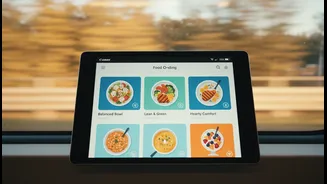
The journey of your meal begins long before it reaches your seat. Most meals served on trains are prepared in large, modernised 'base kitchens' located at key stations. These kitchens are equipped with CCTV cameras for monitoring food preparation and are staffed by food safety supervisors. To ensure quality, the use of popular and branded raw materials is encouraged. The food is then packed and transported to trains. For pre-cooked, ready-to-eat meals from reputed brands, periodic testing by accredited labs ensures they comply with FSSAI standards. The introduction of e-Catering has also been a game-changer, allowing passengers to order food of their choice from a variety of approved restaurants at upcoming stations, adding another layer of choice and perceived quality control.
Your Role: The Empowered Passenger
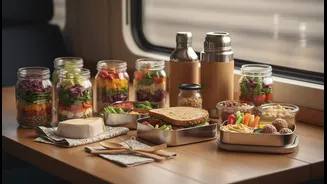
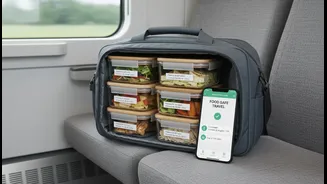
While the Railways implements systems, passengers play a vital role in ensuring their own food safety. The first step is to order from authorised sources. IRCTC advises booking meals exclusively through its official 'Food on Track' app, the eCatering website, or authorised partners. Avoid unverified vendors on platforms or those moving through coaches without the official QR-code ID. If you receive a meal, check the packaging. Is it properly sealed? Does it have the QR code? When in doubt, it is often safer to opt for simple, freshly cooked meals like dal and rice over complex, heavy dishes, especially on a long journey. Carrying some of your own non-perishable snacks and a reusable water bottle is also a reliable strategy.
What to Do When Things Go Wrong
Despite best efforts, issues can arise. If you receive substandard, contaminated, or overpriced food, do not stay silent. Indian Railways has streamlined its grievance redressal system to be faster and more responsive. The primary tool for passengers is the 'RailMadad' app or website (railmadad.indianrailways.gov.in), where you can file a complaint using your PNR number. For those without internet access, the universal helpline number 139 is another effective channel. Posting a complaint on social media platform 'X' and tagging official handles like @RailMinIndia and @IRCTCofficial, along with your PNR and train details, has also proven to be a quick way to get attention and action. Timely complaints not only help in getting a possible refund but also contribute to the larger goal of improving service quality for all passengers.