


Meet Toum: The Garlic Lover's Dream
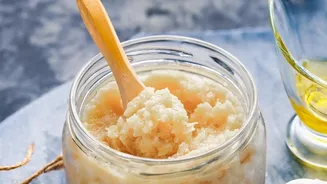
Toum, which simply means “garlic” in Arabic, is a staple sauce in Levantine cuisine, particularly in Lebanon. It’s a bold, pungent condiment made from just four simple ingredients: fresh garlic, oil, lemon juice, and salt. Unlike aioli, which it's often
compared to, traditional toum is entirely vegan and dairy-free. It’s most famously served alongside grilled chicken, shawarma, and kebabs, but its uses are endless—as a dip for bread, a spread for sandwiches, or a flavour boost for roasted vegetables. The real showstopper, however, is its incredibly thick and creamy consistency, which seems to defy the simple ingredient list.
The Science of Emulsification
To understand toum, you first need to understand emulsification. An emulsion is a mixture of two liquids that normally don't mix, like oil and water. To get them to combine and stay combined, you need an 'emulsifier'—a special molecule that can grab onto both the oil and water particles, holding them together in a stable suspension. In mayonnaise, the hero emulsifier is lecithin, a compound found in egg yolks. The lecithin disperses the oil into tiny droplets throughout the water-based ingredients (like lemon juice or vinegar), creating a thick, creamy sauce. Toum achieves the same result, but its secret weapon isn't an egg.
Garlic: The Unlikely Emulsifier
The magic of toum lies within the garlic itself. When garlic cloves are crushed or pureed, a chemical reaction occurs. An enzyme converts a compound called alliin into allicin, which is responsible for garlic's pungent aroma and flavour. But beyond flavour, garlic contains its own natural emulsifying agents. While research is ongoing, scientists point to a combination of proteins, saponins, and complex carbohydrates (fructans) within the garlic. These compounds act much like the lecithin in egg yolks. They are 'surface-active', meaning they have parts that are attracted to water and parts that are attracted to oil, allowing them to bridge the gap between the two and form a stable, creamy emulsion.
The Method Behind the Magic
Creating this emulsion requires a specific technique. You can’t just throw all the ingredients into a blender and hope for the best. The process starts by pureeing fresh garlic cloves with salt and lemon juice in a food processor. The lemon juice provides the water component of the emulsion and its acidity helps to mellow the garlic's raw bite. Then, with the processor running, the oil is added—not all at once, but in a very slow, thin, steady stream. This gradual introduction of oil is the most critical step. Adding oil too quickly will overwhelm the garlic's emulsifying compounds and cause the sauce to 'break' or separate. By adding it slowly, you give the garlic’s proteins and saponins time to grab the oil droplets and disperse them evenly throughout the lemon juice, building the thick, fluffy structure layer by layer.
Tips for a Perfect, Fluffy Toum
Making toum can be tricky, as the emulsion is famously delicate. One key tip is to remove the small green germ from the center of each garlic clove, which can sometimes add bitterness. Using a neutral-flavoured oil, like canola, grapeseed or sunflower oil, is also recommended to let the garlic flavour shine. Many recipes also call for alternating the stream of oil with a tablespoon of ice water. This not only helps keep the mixture from overheating in the food processor (which can break the emulsion) but also helps create an even lighter, fluffier texture. If your sauce does happen to break, don't despair. Sometimes you can save it by removing the separated mixture, placing a fresh egg white or a spoonful of mustard in the processor, and then very slowly streaming the broken mixture back in to re-emulsify.