
A New Window on the Universe
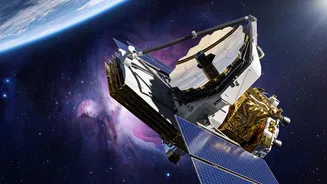
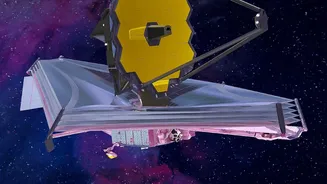
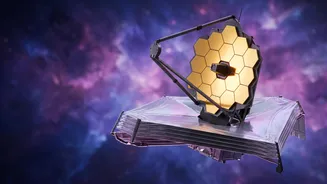
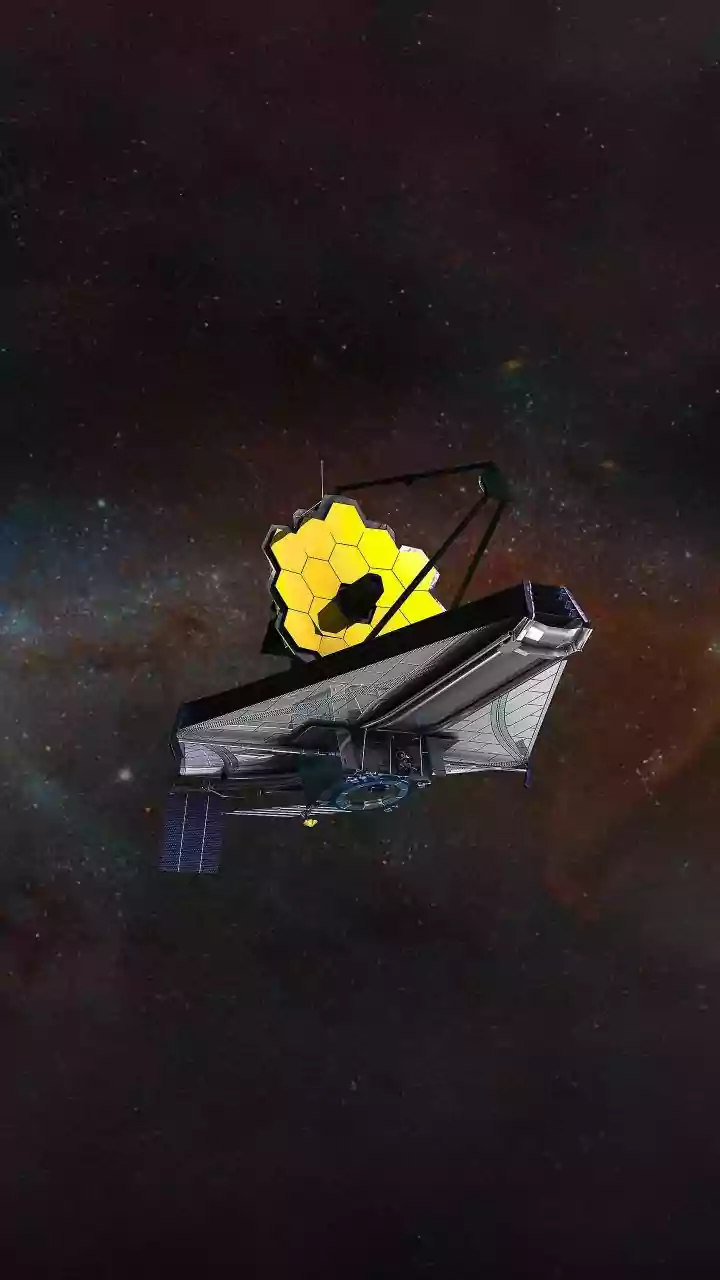
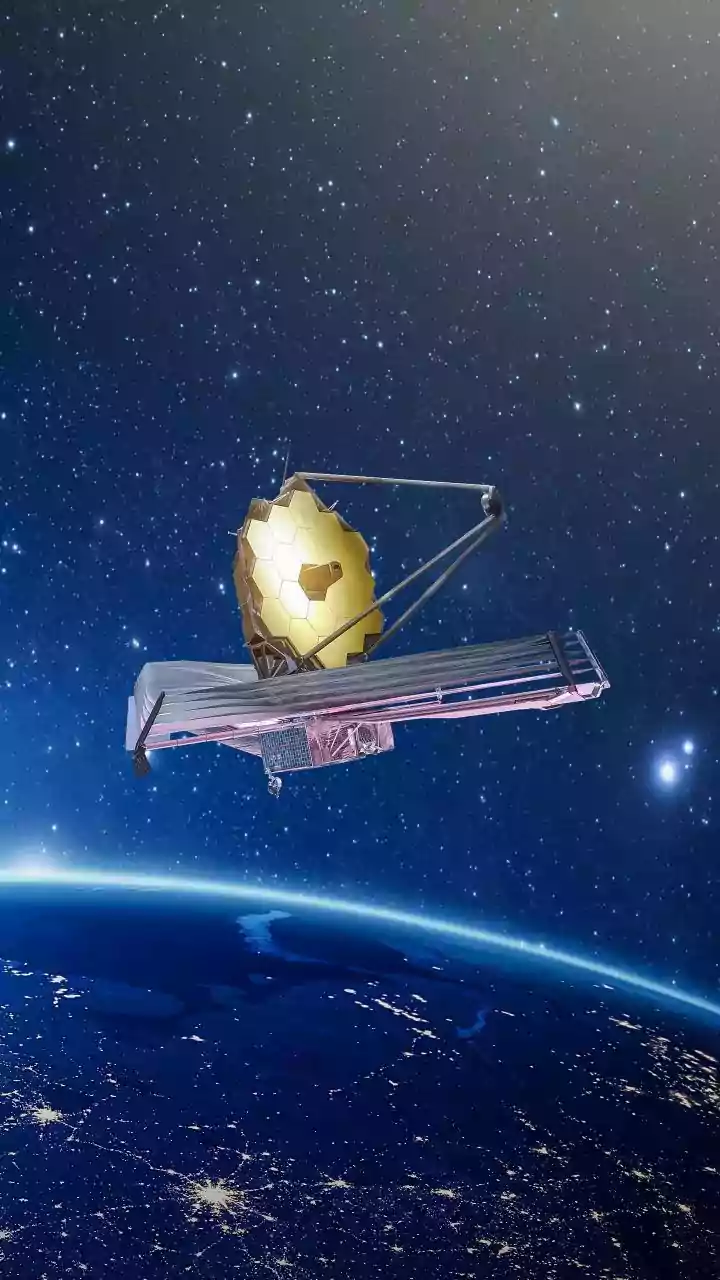
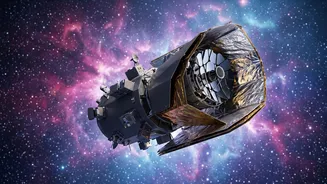
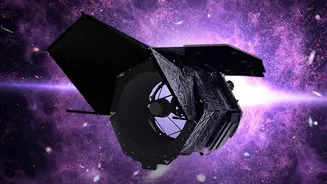
PRIMA, short for the PRobe far-Infrared Mission for Astrophysics, is a next-generation space telescope designed to see the universe in a way that other observatories can't. While the James Webb Space Telescope excels at near- and mid-infrared light, PRIMA will
survey the cosmos in far-infrared wavelengths. This fills a critical observational gap, allowing scientists to study phenomena that are too cold and dusty to be seen clearly by other telescopes. The mission's primary goals are to understand how planets form, how galaxies and their central supermassive black holes grow, and how heavy elements have built up over cosmic history. It's the first mission in a new 'Probe Explorers' class, designed to be more ambitious than small-scale projects but more affordable than flagship observatories like the $10 billion James Webb.
The Scientific Quest for Origins
At the heart of PRIMA's mission is the quest to understand origins—from planets to galaxies. A key focus will be on the formation of planetary systems, particularly the role of water in creating new worlds. By observing in the far-infrared, PRIMA can map the distribution of water vapor and other key ingredients in protoplanetary disks, the swirling clouds of gas and dust where planets are born. This could help explain why certain types of planets, like 'mini-Neptunes'—worlds larger than Earth but smaller than Neptune—are common in the galaxy but absent from our own solar system. Furthermore, PRIMA will trace how the earliest galaxies evolved and how cosmic dust, the building block of stars and planets, has been distributed across the universe since the dawn of time. This will help scientists piece together a more complete picture of why the universe looks the way it does today.
What 'Phase B' Really Means
The announcement that PRIMA has advanced to Phase B signifies a crucial step in its development. In NASA's project lifecycle, missions begin with concept studies (Pre-Phase A) and initial concept development (Phase A). Moving into Phase B means the project is transitioning from a broad concept to a concrete preliminary design. During this phase, engineers will finalize the telescope's architecture, mature key technologies like its advanced cryogenic coolers, and establish agreements with subcontractors and international partners. This stage is about proving the design is sound and the technology is ready before the project gets the final green light to move to Phase C, which involves final design and fabrication. It’s a period of intense planning to ensure the mission can be built on time and within budget.
The Significance of the $1.2 Billion Cap
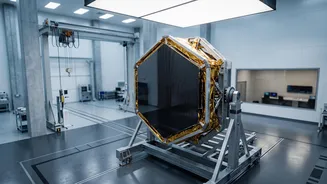
Capping the project's cost at $1.2 billion (not including launch services) is more than just a budgetary limit; it's a vote of confidence from NASA. This formal cost cap provides stability and predictability for the entire project team, from the scientists at NASA's Jet Propulsion Laboratory, which manages the mission, to the numerous university and industry partners involved. Establishing a firm budget at this stage demonstrates that the mission's concept is considered mature and feasible. This financial framework allows for long-lead procurements of critical components, such as the telescope's 5.9-foot primary mirror and its highly sensitive detectors. The Probe-class mission structure, with its billion-dollar-range cost, allows NASA to tackle high-priority science without committing to the massive expense of another flagship, ensuring a steady cadence of major scientific missions.