


The Fiery Meeting Point
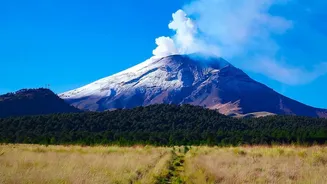
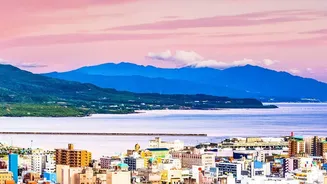
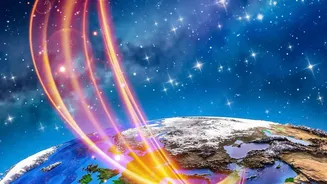
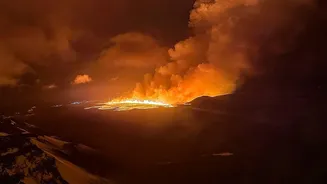
Japan's story is one of geography. The island nation is situated on the Pacific Ring of Fire, a vast, horseshoe-shaped belt that stretches for 40,000 kilometres around the Pacific Ocean. This zone is where most of the world's earthquakes and volcanic
eruptions occur. The reason for this intense activity is the movement of tectonic plates, giant slabs of the Earth's crust that are constantly shifting. Japan has the unique and volatile distinction of being located at the junction where four major plates converge: the massive Pacific Plate, the Philippine Sea Plate, the Eurasian Plate, and the North American Plate. This crowded intersection makes the region one of the most geologically dynamic on the planet.
A Four-Plate Collision
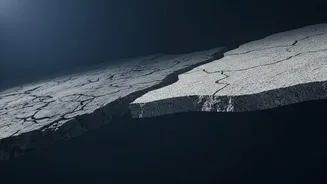
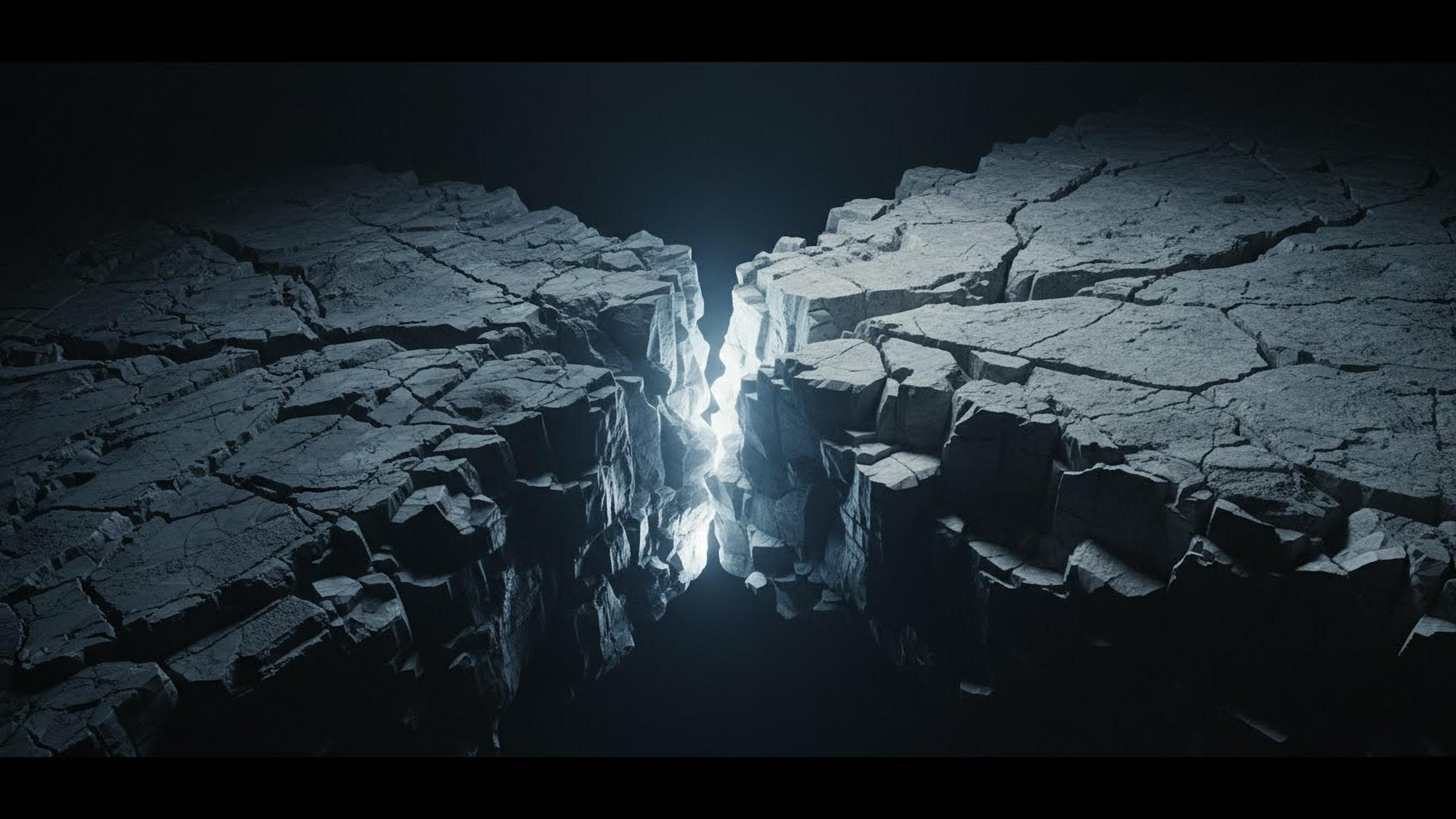
The primary engine of Japan's seismic activity is a process called subduction. The heavier oceanic plates, specifically the Pacific and Philippine Sea plates, are slowly sliding underneath the lighter continental plates that Japan sits on. Think of it as a slow-motion, continental-scale collision. As the oceanic plates dive deeper into the Earth's mantle, they don't slide smoothly. Instead, they can become locked with the overriding plate, causing immense stress and pressure to build up over decades or even centuries. This stored energy is like a coiled spring. When the pressure finally overcomes the friction holding the plates together, the rock fractures and the overriding plate snaps back, releasing the energy in the form of seismic waves. This sudden, violent release is what we experience as an earthquake.
From Seabed to Shoreline
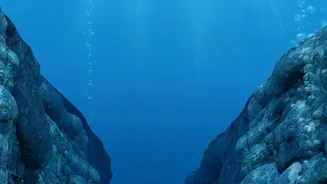
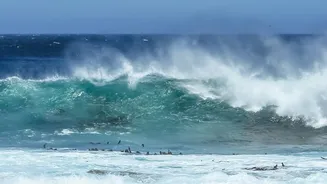
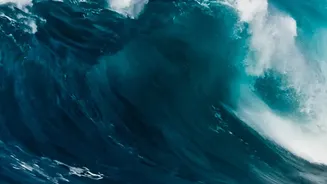
The most powerful of these events are called megathrust earthquakes, which occur at the boundary between the subducting and overriding plates. When a major megathrust earthquake happens offshore, as many do along the deep trenches flanking Japan, it can cause catastrophic consequences beyond the shaking itself. The abrupt upward movement of the seafloor can displace a colossal volume of water above it. This displacement creates a series of powerful waves that radiate outwards from the earthquake's epicentre, much like ripples from a stone thrown into a pond. In the deep ocean, these tsunami waves might be barely noticeable, but as they travel towards the coast and enter shallower water, their speed decreases and their height increases dramatically, creating a devastating wall of water that can inundate coastal areas.
A Culture of Preparedness
Living with such profound risk has forged a culture of resilience and innovation in Japan. The country has one of the world's most advanced earthquake and tsunami warning systems. Following an earthquake, the Japan Meteorological Agency (JMA) can issue a tsunami warning within minutes, broadcast through television, radio, mobile alerts, and public siren systems. This rapid alert is designed to give people crucial time to evacuate to higher ground. Beyond warnings, preparedness is built into the very fabric of the nation. Japan's building codes are among the strictest in the world and are continually updated after major quakes. Modern buildings are engineered not just to resist collapse but to absorb and dampen seismic energy using technologies like flexible frames, rubber base isolators, and massive shock absorbers. Regular public drills and a national Disaster Prevention Day ensure that from a young age, citizens know how to react when the earth begins to shake.