





Nolan's Uncompromising Vision
Christopher Nolan has built a career on pushing cinematic boundaries. From the mind-bending corridors of Inception to the historical weight of Oppenheimer, he is a staunch advocate for practical effects, real locations, and, above all, the power of celluloid
film. His new film, The Odyssey, an adaptation of Homer's epic poem, represents the pinnacle of this philosophy. It is the first feature film to be shot entirely using IMAX 15/70mm film cameras, the highest-resolution format in existence. For Nolan, this isn't a gimmick; it's about creating the most immersive and visceral experience possible, one that puts the audience directly into the story. He believes the format is the closest medium to replicating what the human eye sees, allowing the screen to disappear and envelop the viewer.
The Gold Standard: What is IMAX 15/70?
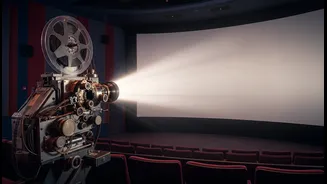
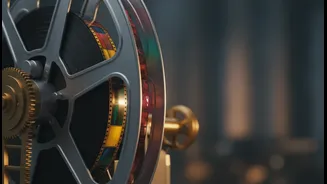
So what exactly makes this format the holy grail of cinema? It comes down to the film itself. Standard 35mm film runs vertically through a projector. IMAX 15/70mm film, however, runs horizontally. Each frame is a massive 70mm wide and 15 perforations long, resulting in an image area nearly nine times larger than a conventional 35mm frame. This immense size captures an astonishing amount of detail, with an estimated equivalent resolution of 16K to 18K. Unlike standard film, which shares space with an optical soundtrack, the entire 70mm frame is dedicated to the image, with sound synced separately from a digital source. This allows for a unique, nearly square 1.43:1 aspect ratio that fills the entirety of a true IMAX screen, from floor to ceiling, creating a level of immersion other formats can't match.
An Exclusive and Endangered Species
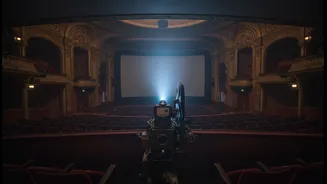
The reason so few cinemas can project The Odyssey as intended is a matter of mechanics, space, and cost. An IMAX 15/70mm film projector is a gargantuan piece of machinery, and the prints themselves are incredibly heavy and cumbersome. A feature-length film can weigh up to 600 lbs (around 272 kg), requiring specialised equipment and highly trained projectionists to handle it. Over the years, most cinemas, including many bearing the IMAX brand, have transitioned to cheaper and more manageable digital projection systems. While premium digital formats like IMAX with Laser can also project the tall 1.43:1 aspect ratio, the vast majority of 'IMAX' screens worldwide use 2K digital projectors that show a cropped, lower-resolution image. This makes the 41 theatres with true 15/70mm film capabilities an exclusive and shrinking club.
Does 'Improper' Mean It's Not Worth Watching?
While the 15/70mm presentation is Nolan's preferred version, it doesn't mean other formats offer a broken experience. The director and his team meticulously create different versions of the film optimized for various projection standards. The next best experience is often considered IMAX with Laser, which uses dual 4K laser projectors to replicate the 1.43:1 aspect ratio without using film. Other premium formats like standard 70mm (which uses smaller 5-perf frames), Dolby Cinema, and even standard 35mm film prints offer their own unique, high-quality viewing experiences. Nolan's core belief is in the power of the theatrical experience itself. While the giant IMAX film frame adds a layer of immersion, the narrative, performances, and visual storytelling are designed to be powerful on any big screen. The key takeaway is that while the ultimate version is rare, The Odyssey is a film made to be seen in a cinema, not on a phone.