





A Legacy of Atmosphere
The original 'Awarapan' (2007), directed by Mohit Suri, was defined by its haunting atmosphere, a trait heavily influenced by its international setting in Hong Kong and Bangkok. Those cities provided a backdrop of neon-drenched loneliness and bustling
anonymity, perfectly mirroring the protagonist Shivam's inner turmoil. The film's moody, rain-slicked streets and shadowy alleys became as much a character as the people inhabiting them. For the sequel, the challenge was to find new territories that could evoke a similar emotional depth while pushing the narrative into fresh, uncharted ground.
Bangkok: A Return to the Underworld
Awarapan 2 makes a significant return to Bangkok, a city central to the first film's plot. This time, however, director Nitin Kakkar uses the Thai capital for more than just mood. A major portion of the film, including key action sequences and dramatic confrontations, was shot across its bustling markets and streets. According to reports, a 40-day schedule was dedicated to capturing the city's raw energy. The sequel's plot sees Shivam, having survived the events of the first film, on a mission to dismantle a child trafficking racket after a girl he gave up for adoption goes missing. This narrative choice firmly roots the action in the city's criminal underbelly, making Bangkok a core setting for the film's high-stakes urban drama.
Rajasthan: A Landscape of Grit and Emotion
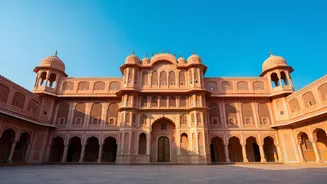
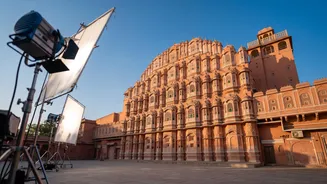
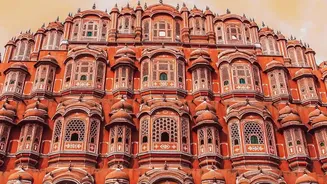
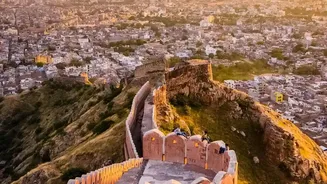
In a departure from the purely international setting of the original, Awarapan 2 incorporates a significant domestic schedule in Rajasthan. Filming took place in Sambhar and Jaipur, offering a stark visual contrast to the slickness of Bangkok. The arid, expansive deserts and ancient architecture of Rajasthan provide a unique canvas for the film's emotional core and some of its most demanding action scenes. It was during the filming of an action sequence in Rajasthan that star Emraan Hashmi reportedly suffered an abdominal injury that required surgery, highlighting the intensity of the production. This choice to ground part of the story in India adds a new layer to Shivam's journey, suggesting a confrontation with his roots alongside his external battles.
Malaysia and Mumbai: Expanding the Canvas
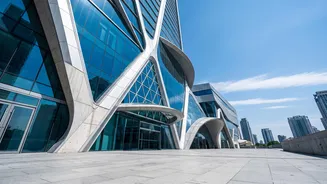
To round out its diverse geographical footprint, the production also moved to Kuala Lumpur, Malaysia, and Mumbai. The vibrant urban landscape of Kuala Lumpur was reportedly used for some of the film's final sequences, adding another metropolitan texture to the story. Meanwhile, Mumbai served as the base for studio work, including the filming of many indoor dramatic scenes on custom-built sets. This mix of real-world international locations and controlled studio environments allowed the filmmakers to build a world that is both expansive and intimate. The combination supports the film’s blend of genres, accommodating everything from high-octane chases in Bangkok to the quiet, character-driven moments likely filmed in Mumbai.