



Tomatoes: Keep Them on the Counter
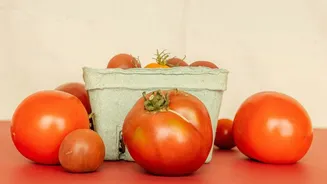
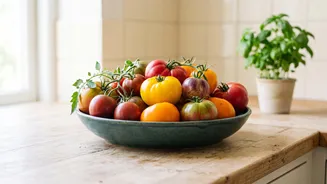
The single biggest mistake many of us make is refrigerating fresh tomatoes. That blast of cold air is the enemy of a tomato’s delicate flavour. Scientific studies have shown that chilling tomatoes below certain temperatures halts the activity of genes
responsible for creating the aromatic compounds that give them their signature sweet, complex taste. The cold doesn't just mute the flavour; it also damages the fruit's membranes, resulting in a mealy, soft texture. For the best results, store your tomatoes at room temperature on the countertop, away from direct sunlight. If you have an abundance of ripe tomatoes that you can't eat within a day or two, refrigeration can be a last resort to prevent them from rotting, but be sure to let them return to room temperature before eating to reclaim some of their lost flavour.
Potatoes: A Cool, Dark Pantry is Best
Potatoes thrive in a cool, dark, and well-ventilated environment—none of which describe a refrigerator. Storing potatoes in the cold causes their starches to convert into sugar. This process, known as cold-induced sweetening, gives them an unpleasantly sweet taste and can cause them to discolour when cooked, especially when fried. The ideal storage temperature is around 7-10°C, which is warmer than a fridge but cooler than a typical room. A pantry, cellar, or a dark kitchen cabinet works well. Keep them in a paper bag or a basket to allow for air circulation, and never store them with onions, as gases from the onions can cause the potatoes to spoil faster.
Onions and Garlic: Let Them Breathe
Like their companion, the potato, whole onions and garlic bulbs need a cool, dry place with good air circulation to stay fresh for months. The humidity inside a refrigerator can cause them to become soft, mouldy, and start sprouting prematurely. Store them separately in a well-ventilated space like a pantry, using mesh bags or baskets to maximize airflow. Don’t store them near potatoes, as the moisture and gases they release can cause each other to rot. However, once you've peeled and chopped an onion or garlic, the rules change. Leftover cut portions should be stored in an airtight container in the fridge and used within a week.
Bread: Avoid the Stale Trap
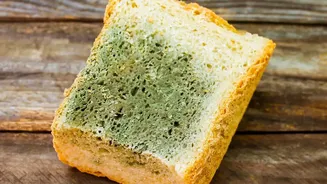
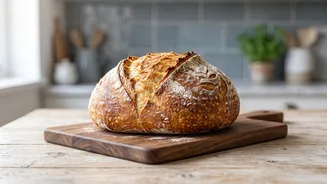
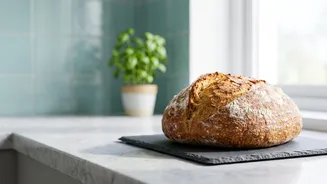
It might seem logical to put your loaf of bread in the fridge to keep it from going mouldy, but this is a fast track to stale bread. The cold, dry air of the refrigerator causes the starch in bread to recrystallize much faster than it does at room temperature, a process called retrogradation. This makes the bread hard and dry. The best way to keep a loaf of artisan bread is at room temperature in a bread box or paper bag, which protects it while allowing it to breathe. For sliced sandwich bread, a loosely sealed plastic bag on the counter is fine for a few days. If you need to store bread for longer, the freezer is your best friend. Wrap it tightly or place slices in a freezer bag to lock in freshness for months.
Honey: A Truly Timeless Pantry Staple
Honey is one of the few foods that almost never spoils, thanks to its low moisture content and natural acidity. There is absolutely no need to refrigerate it. In fact, putting honey in the fridge is the worst way to store it. The cold temperature will cause it to crystallize and solidify, turning your smooth, liquid gold into a thick, grainy sludge. While crystallized honey is still perfectly safe to eat, it's a hassle to use. Keep your honey in its original jar with the lid tightly sealed, and store it at room temperature in your pantry. If it does crystallize, you can easily return it to its liquid state by placing the jar in a bowl of warm water.
Coffee: Protect the Precious Beans
Whether you have whole beans or ground coffee, the refrigerator is not the place to store it. Coffee is porous and easily absorbs moisture and odours from other foods, which will ruin its flavour. The best way to keep your coffee fresh is in an opaque, airtight container stored in a cool, dark place like a pantry or cabinet. Light, heat, and air are the primary enemies of coffee’s delicate aromatic oils. By keeping it sealed and away from these elements, you preserve its intended flavour profile for a much longer time. Buying smaller batches more frequently is also a great strategy to ensure every cup is as fresh as possible.