







What Exactly Is El Niño?
El Niño is a naturally occurring climate phenomenon, one part of a cycle called the El Niño-Southern Oscillation (ENSO). It is defined by the unusual and sustained warming of sea surface temperatures in the central and eastern equatorial Pacific Ocean.
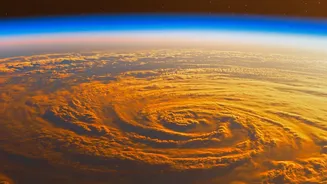
Think of it as a massive redistribution of heat across the world's largest ocean. This shift in ocean temperature disrupts the normal pattern of atmospheric circulation—the way air and moisture move around the globe. This disruption, in turn, influences weather patterns far and wide, from droughts in Australia to heavy rains in South America, and, most importantly for India, it has a strong influence on the southwest monsoon.
The Critical Monsoon Connection
The Indian monsoon is a complex system, but its relationship with El Niño is well-established, if not always perfectly predictable. Typically, El Niño weakens the trade winds that blow from east to west across the Pacific. These winds are connected to the moisture-laden winds that power India's southwest monsoon. When El Niño disrupts the system, it can suppress monsoon rainfall, leading to deficits. Historically, many of India's most significant drought years have coincided with strong El Niño events. However, it's not a one-to-one guarantee of drought. Other factors, like the Indian Ocean Dipole (IOD)—a separate pattern of sea surface temperatures in the Indian Ocean—can sometimes counteract El Niño's drying effect. But the correlation is strong enough that the emergence of an El Niño puts forecasters and policymakers on high alert.
The Status: A Strong El Niño in 2026
As of August 2026, a strong El Niño is not just a forecast; it is present and intensifying. International weather agencies like the World Meteorological Organization (WMO) and NOAA have confirmed the conditions, noting that the event is expected to strengthen further through the autumn. In fact, forecasts indicate there is a high probability of this becoming a 'very strong' El Niño event by late 2026, potentially ranking among the most intense on record. The India Meteorological Department (IMD) has also factored this strengthening El Niño into its forecasts, noting it as the primary driver behind expectations for a below-normal monsoon season. After a significant rainfall deficit in June 2026, cumulative rainfall for the season remained below average by early August.
Scale of the Potential Impact
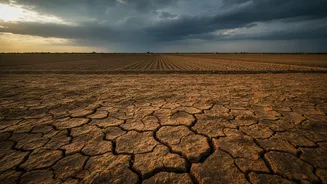
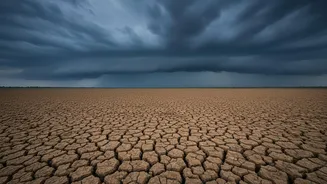
The impact of a weak monsoon can be severe and widespread. Agriculture is the most immediate concern. With nearly half of India's net sown area still dependent on rainfall, a deficit threatens the productivity of crucial Kharif (monsoon) crops like rice, pulses, and oilseeds. This directly impacts the livelihoods of millions of farmers and can shrink rural incomes, dampening demand across the economy. A poor monsoon also means less water to replenish reservoirs and recharge groundwater, which affects drinking water supplies and hydropower generation. The ripple effects extend to urban households through food inflation. Lower agricultural output leads to scarcity, which can drive up the prices of vegetables, grains, and other essentials, putting pressure on household budgets.
The Wider Economic Context
Beyond the farm and the kitchen, a significant monsoon deficit poses a macroeconomic challenge. Rising food inflation can force the Reserve Bank of India to maintain tight monetary policy to control prices, which can slow overall economic growth. Some economic analyses of the current El Niño suggest the potential for substantial economic losses for India over the coming years due to depressed growth. While India's economy is now more diversified and resilient than in past decades—with better irrigation infrastructure and larger food grain reserves to cushion the shock—a strong El Niño remains a significant headwind. The government and various agencies are closely monitoring the situation, preparing contingency plans for agriculture and managing water resources to mitigate the worst of the potential impacts.