



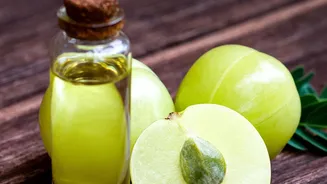
Beyond the Vitamin C Hype
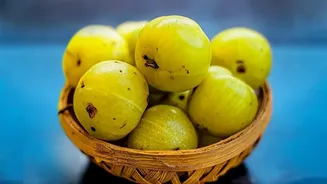
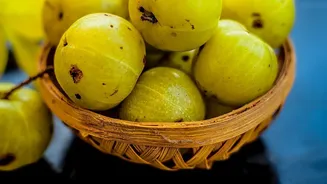
Amla's reputation often precedes it, celebrated almost singularly for its Vitamin C content. And the numbers are indeed impressive: a single 100-gram serving of fresh amla can contain anywhere from 300 to 900 mg of Vitamin C, far surpassing that of oranges
and other citrus fruits. This alone makes it a formidable ally for immune support. Yet, fixating on this one nutrient is like praising a symphony for a single note. The true magic of amla lies in its nutritional synergy. The Vitamin C in amla is naturally bound with compounds called tannins, which protect it from degrading when exposed to heat or air. This makes amla's nutrient profile unusually stable, even after some processing. Beyond Vitamin C, amla is a rich source of polyphenols, flavonoids, and dietary fiber, all of which contribute to its antioxidant and anti-inflammatory properties. This complex package works together, which is why consuming the whole fruit—fresh, juiced, or powdered—offers benefits that a simple ascorbic acid tablet cannot replicate.
Embracing the Power of Sour
The first taste of a raw amla is an unforgettable experience: an intense, mouth-puckering sourness with a sharp, astringent finish. This flavour profile is a direct result of its potent chemical makeup, including the same acids and tannins responsible for its health benefits. In the kitchen, this powerful sourness is not a challenge to be overcome but an asset to be leveraged. Sourness acts as a natural flavour enhancer, cutting through richness and balancing other tastes. Think of how a squeeze of lime can brighten a heavy curry or a dash of vinegar can lift a sauce. Amla performs this role with unparalleled vigour. Its specific type of tartness provides a foundation upon which other flavours can be built. Rather than trying to completely mask its sour quality, the most successful amla dishes celebrate it by pairing it with bold, complementary tastes that create a complex and harmonious final product.
The Sweet Surrender: Amla Murabba and More
The most traditional method for taming amla’s formidable tang is to pair it with sweetness. The classic example is Amla Murabba, a glistening preserve where whole gooseberries are slow-cooked in a fragrant sugar or jaggery syrup until they become tender and translucent. The process mellows the fruit’s sharp edges, transforming it into a sweet-sour delicacy often enjoyed as a dessert or a health tonic. But murabba is just the beginning. Jaggery, with its earthy, molasses-like notes, is a particularly wonderful partner for amla. In an instant chutney or 'launji', steamed and chopped amla is cooked with jaggery and spices until it forms a thick, jam-like consistency. The result is a condiment that hits sweet, sour, and spicy notes all at once, perfect for serving with parathas or as part of a larger meal. Even simpler are amla candies, where boiled fruit segments are tossed in sugar and dried, creating a travel-friendly snack.
The Spicy Kick: Chutneys and Pickles
While sweetness balances amla, spice provides a thrilling counterpoint. Amla’s sharp flavour holds its own against robust spices, making it a perfect base for pickles and savoury chutneys. An Andhra-style amla pickle, known as Usirikaya Pachadi, combines fried amla pieces with a fiery blend of mustard powder, fenugreek, red chilli powder, and oil. The sourness of the fruit melds with the pungent heat of the spices, creating a condiment that can electrify a simple meal of rice and dal. Similarly, quick-cooking chutneys balance amla with green chillies, ginger, cumin, and asafoetida. These preparations don't shy away from the fruit's inherent nature; instead, they use its intensity to create a truly dynamic flavour experience. The sourness cuts through the heat, the spices temper the astringency, and what emerges is a perfectly balanced, multi-layered taste.
Modern Twists for Daily Use
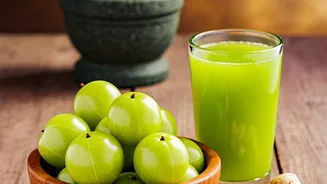
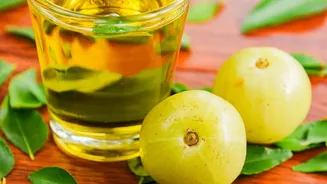
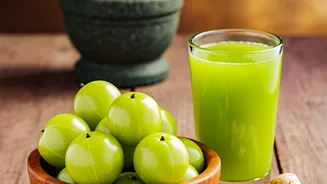
Incorporating amla into a modern diet doesn’t have to involve complex, traditional recipes. Its versatility lends itself well to contemporary kitchens. Amla powder, which retains a significant portion of the fruit's nutrients, is an easy addition to a morning smoothie, blended with sweeter fruits like bananas or pineapple to balance the flavour. A spoonful can be stirred into oatmeal or yogurt. For a savoury twist, a sprinkle of amla powder can be used in salad dressings to provide a vitamin-rich tang instead of lemon juice. Fresh amla can be grated into salads, lentil dishes, or even rice preparations, adding a bright, acidic note. And of course, there is amla juice, which, when diluted with water and perhaps mixed with a little honey and ginger, can be a refreshing and invigorating start to the day.