








The Challenge on the Tracks
Keeping food safe is difficult on a long journey. Temperature changes, extended storage times, and varying hygiene standards create the perfect environment for bacteria to thrive. Recent incidents have put a spotlight on these issues. A viral video in July
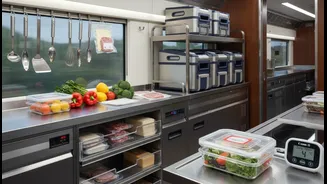
2026 showed water from an AC duct dripping onto uncovered food plates, sparking passenger outrage. Another complaint in March 2026 regarding substandard food on a Vande Bharat Express led to heavy fines for both IRCTC and the service provider, highlighting a zero-tolerance approach from authorities. These events underscore a persistent problem; a parliamentary report noted that frequent policy changes and the location of most base kitchens outside railway premises compromise regular quality checks.
Railways and Regulators Step Up
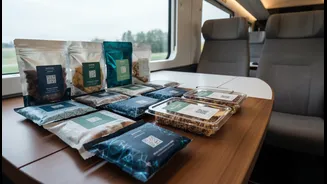
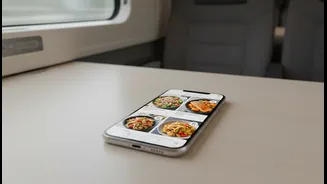
In response to growing concerns, Indian Railways and the Food Safety and Standards Authority of India (FSSAI) have introduced significant changes. A major initiative is the implementation of QR codes on both vendor ID cards and food packets. By scanning a code, passengers can verify a vendor's legitimacy and see details about where and when their meal was prepared. This digital traceability aims to eliminate unauthorised sellers and expired food. Furthermore, FSSAI certification is now mandatory for all catering units, and Food Safety Supervisors are being deployed to monitor kitchen hygiene. Some stations have even earned an "Eat Right Station" certification, signifying high standards of food safety and hygiene for vendors on those premises.
Your Guide to Safer Journey Meals
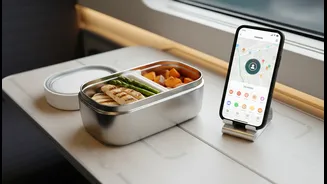
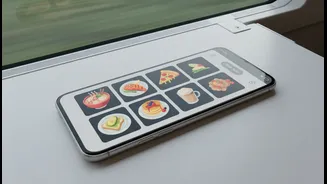
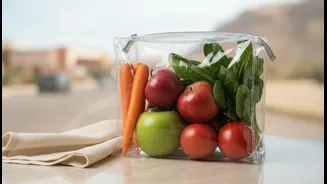
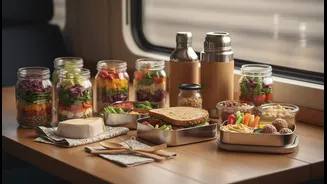
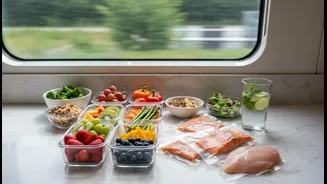
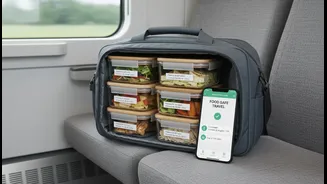
While authorities work to improve systems, passengers can take proactive steps. When packing from home, prioritise dry and semi-dry foods as they are less prone to spoilage. Use airtight, leak-proof containers to prevent contamination and spills. For perishable items, an insulated bag or a quality cooler is essential to maintain a safe temperature. When buying food, opt for freshly prepared hot meals, as heat kills most bacteria. E-catering services partnered with IRCTC allow you to order from FSSAI-licensed restaurants, which are held to a different standard of accountability than a pantry car. Always inspect packaged goods for a secure, tamper-proof seal before consuming.
From Train Travel to Your Daily Tiffin
The principles for staying safe on a 36-hour train ride are directly applicable to everyday life. That insulated bag you use for your journey is perfect for keeping your office lunch safe, especially in summer. The habit of separating raw and cooked foods to avoid cross-contamination is as crucial in your home kitchen as it is on the rails. Thinking about your meal's journey—from preparation to consumption—is the core lesson. The diligence required for travel teaches us to be more mindful about food handling everywhere. Whether it's a picnic with family or packing a daily lunchbox, understanding temperature control, proper sealing, and choosing the right kinds of food can prevent illness and ensure your meals are both delicious and safe.