







Trouble in the Sugarcane Fields
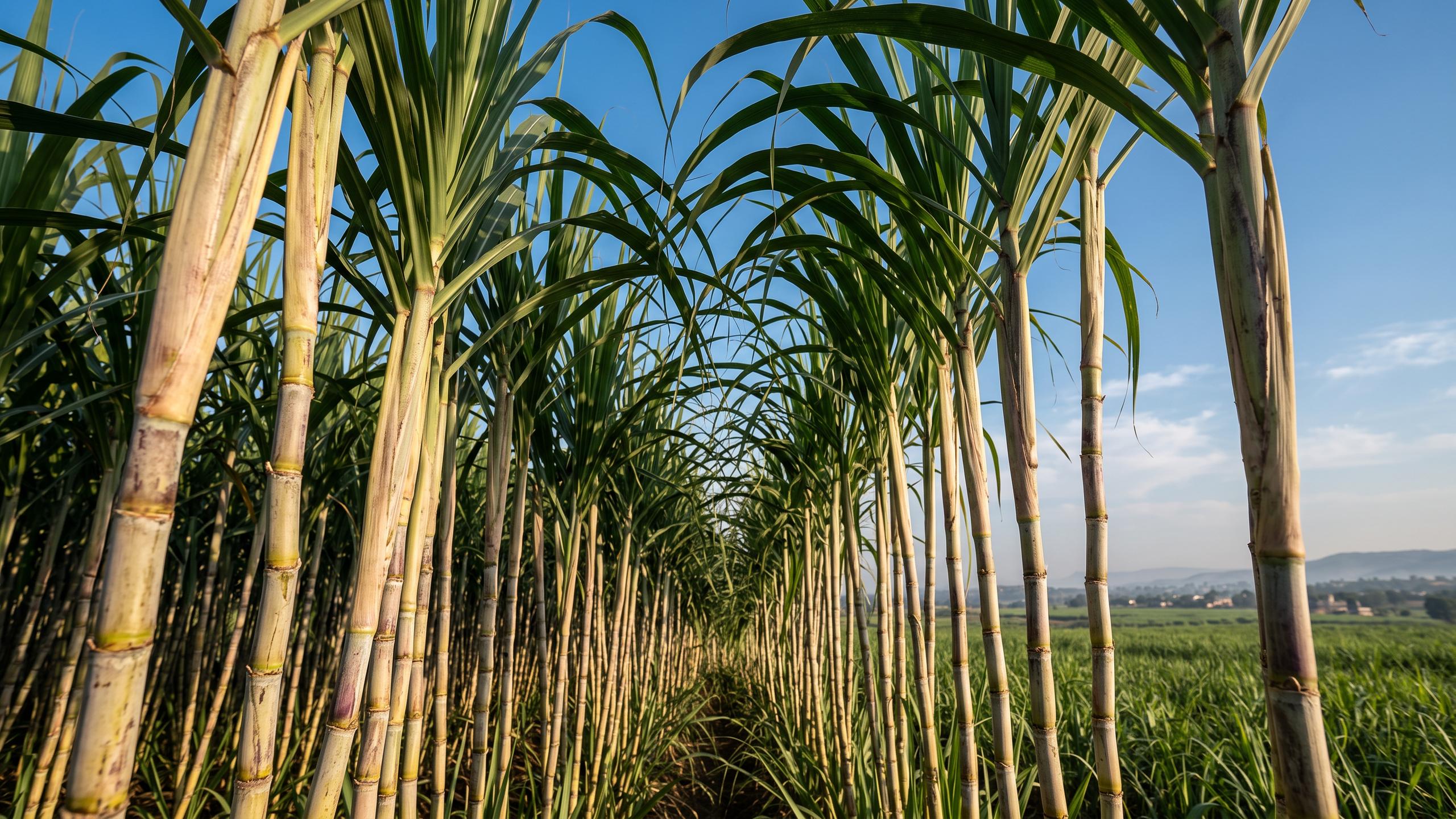
The story of rising sugar prices begins in India's own agricultural heartlands. The 2026 monsoon season has been erratic. Key sugarcane-producing states like Maharashtra have experienced both dry spells and periods of excessive rainfall, leading to waterlogging.
These weather shocks have damaged the standing crop, with issues like Red Rot and Top Borer diseases further affecting potential yields. Consequently, initial estimates for sugar production in the 2025-26 season were revised downwards. While officials state that current stocks are adequate to meet demand until the new crushing season begins in October, the lower-than-expected output has created a sense of tightness in the domestic market, contributing to price volatility.
The Government's Balancing Act
In response to the domestic supply concerns and rising prices, the Indian government has taken several decisive steps. To ensure enough sugar is available for the upcoming festive season, it has prohibited sugar exports until at least September 30, 2026, shifting the policy from 'restricted' to 'prohibited'. This move aims to keep supplies within the country and cool down prices. Conversely, to manage the price surge, the government also authorized the import of one million tonnes of raw sugar. Domestically, authorities have imposed stock holding limits on dealers and bulk consumers to prevent hoarding and speculation, which are believed to have contributed to the rapid price increase.
A Squeeze on Global Supply
India's domestic situation is compounded by pressures from the international market. Globally, there is an anticipated sugar deficit for the 2026-27 period, meaning demand is expected to outstrip supply. Major sugar-producing nations like Brazil and Thailand are also facing their own production challenges. This global supply strain has pushed international sugar prices significantly higher. In less than two months, prices rose by over 16%, from $474 per tonne at the end of June 2026 to $552 per tonne by late August. When global prices are high, it creates an upward pressure on domestic prices, even when a country isn't heavily importing.
The Farmer and Mill Equation
For farmers, the situation is complex. The government increased the Fair and Remunerative Price (FRP) — the minimum price mills must pay for sugarcane — to ₹365 per quintal for the 2026-27 season. While this is a hike, some farmer representatives argue it is insufficient to cover rising cultivation and transport costs. At the same time, sugar mills are feeling squeezed. They face higher raw material costs due to the FRP increase, but the minimum selling price of sugar, which affects their revenue, has not been proportionately revised. This financial pressure on mills can impact their ability to make timely payments to farmers and maintain a smooth supply chain.
The Ethanol Factor
For years, diverting surplus sugarcane to produce ethanol for blending with petrol has been a key government strategy to support mill finances and reduce oil imports. However, with sugar supplies tightening, this has become a point of contention. The government has stated that the recent price surge is not due to ethanol diversion, pointing out that the share of sugar diverted for this purpose has actually declined. In fact, nearly three-quarters of ethanol is now produced from grains. Given the current market, it's likely that less sugarcane will be allocated for fuel production to prioritise availability for consumption, a decision that has its own economic and political implications.