








The Unseen Weight of Water
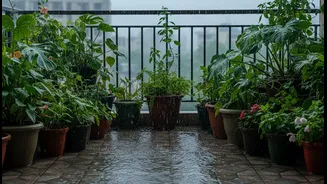
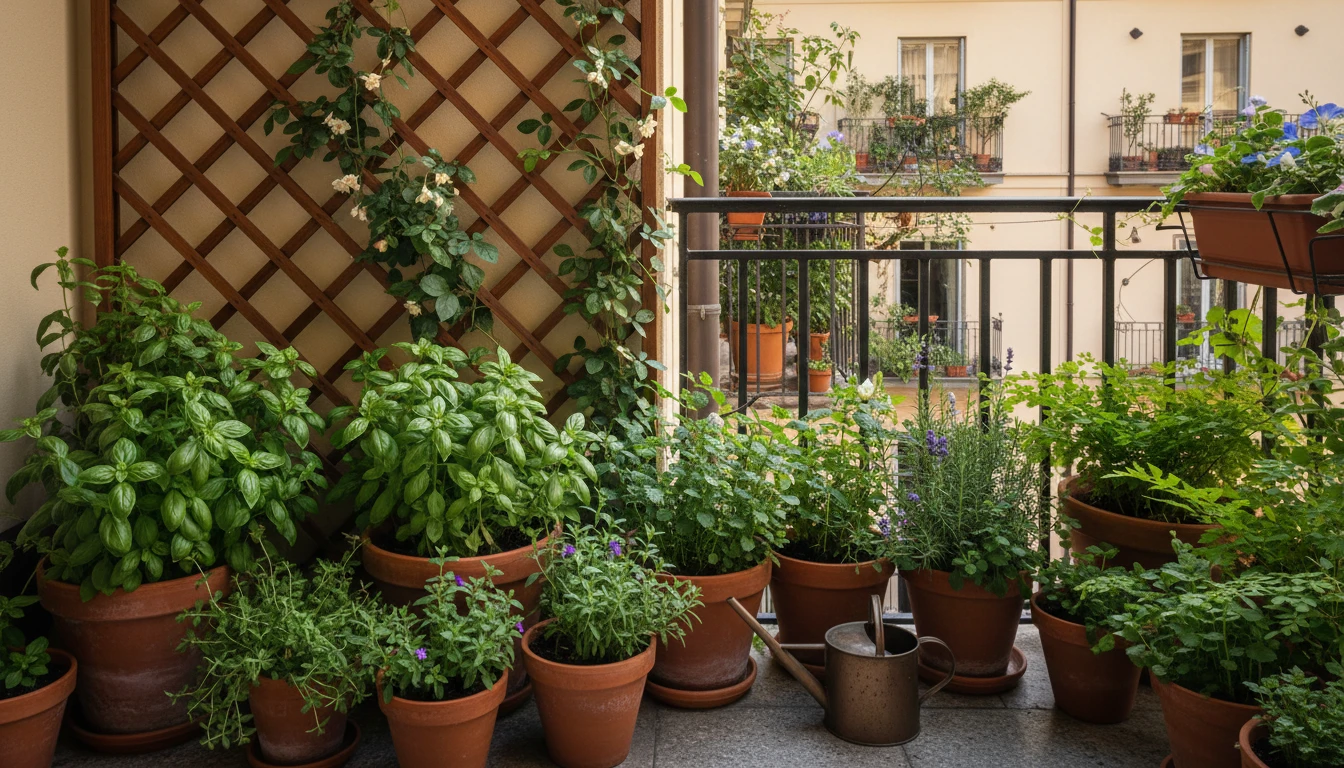
One of the most significant and overlooked dangers is the dramatic increase in weight from rain-soaked soil. A single large pot with dry soil might be manageable, but after a heavy downpour, its weight can multiply. Soil and coir can absorb a surprising
amount of water, and this added load puts immense strain on your balcony's structure. A cantilevered balcony, common in many apartment buildings, is only designed to support a specific 'live load', and multiple waterlogged pots can quickly exceed this limit, posing a serious structural hazard. Experts advise distributing weight, using lighter potting mixes, and being mindful that a collection of large, wet pots can weigh hundreds of kilograms.
Drainage, Damage, and Disputes
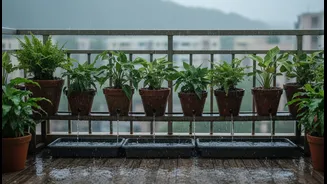
While you worry about your plants, your neighbours below might be worried about your drainage. Clogged drainage holes in pots are a primary culprit of problems during the monsoon. When water can't escape, it leads to waterlogged soil, which causes root rot and kills plants. Worse, this excess water can overflow and run down the building's facade, causing peeling paint and damp patches on lower floors. Blocked balcony floor drains can cause water to pool, potentially seeping into your own home or creating stains on the ceiling below. This can lead not only to property damage but also to unpleasant disputes with neighbours and the building society.
A Paradise for Pests and Fungi
The high humidity and constant moisture of the Indian monsoon create a perfect breeding ground for pests and fungal diseases. While you see lush green leaves, pests see a feast. Snails, slugs, aphids, and mealybugs thrive in these conditions. Fungal issues like powdery mildew, black spot, and root rot can spread rapidly through a garden, turning a flourishing space into a sick bay. Good air circulation is key to prevention, but overcrowded plants—a common issue on small balconies—can create a stagnant, humid microclimate that encourages disease. Regular inspection and prompt removal of infected leaves are crucial.
The Shocking Electrical Risk
Many balcony gardens feature decorative lighting, misters, or automated watering systems. During the monsoon, these can become serious electrical hazards. Water is an excellent conductor of electricity, and moisture seeping into outdoor-rated plugs, extension cords, or light fittings can cause short circuits or create a risk of electric shock. It is crucial to use only high-quality, weatherproof fixtures and ensure they are installed correctly. Avoid handling any electrical equipment with wet hands or during a downpour. Any standing water on the balcony floor also presents a slip-and-fall hazard, which is amplified if there are electrical cords running across wet surfaces.
Protecting Your Green Investment
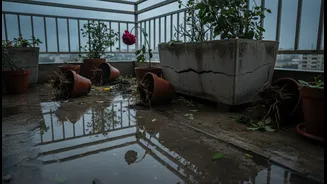
Beyond the structural and safety risks, heavy rains pose a direct threat to the plants themselves. Constant downpours can physically damage delicate leaves and flowers, and strong winds can snap stems or topple top-heavy pots. Certain plants, like succulents and cacti, simply cannot handle the excessive moisture and are prone to rot if left exposed. It’s wise to move these sensitive plants to a sheltered spot. For taller plants, providing support with stakes can prevent them from breaking in the wind. Gardeners should also reduce fertilising during heavy rains, as essential nutrients can be washed out of the soil before the plant has a chance to absorb them.