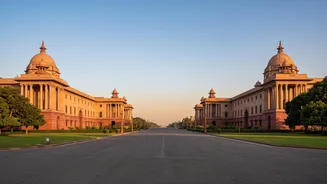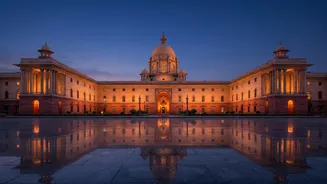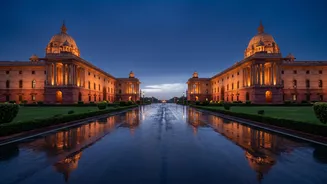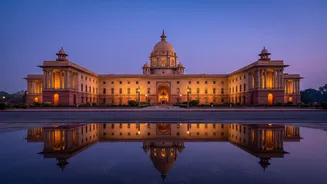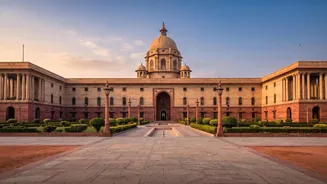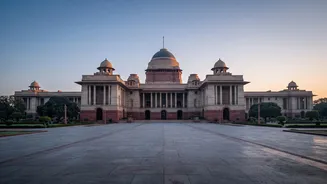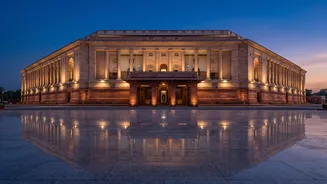








A Global Spotlight on the Capital
From September 12-13, New Delhi will be the center of global attention as it hosts the annual BRICS summit. This major international event brings together leaders from member nations to discuss pressing economic, political, and developmental issues. For
India, hosting is a significant opportunity to showcase its leadership on the world stage and strengthen diplomatic ties. The New Delhi Municipal Council (NDMC) and other civic bodies are working around the clock to ensure the city presents a clean, green, and well-maintained face to the hundreds of international delegates and visitors expected to attend.
The Blueprint for a World-Class Look
The preparations are comprehensive and touch nearly every aspect of urban infrastructure. According to the NDMC, 41 major roads have been divided into 14 circles, each with a dedicated nodal officer to oversee daily inspections. The plan includes significant beautification efforts, with 17 roundabouts receiving special landscaping and decorative illumination. Additionally, 15 locations will feature elaborate floral boards, and nine will have new flower fountains to enhance the city's visual appeal. This is part of a coordinated strategy to ensure urban services meet international standards during the summit period.
More Than Just a Pretty Face
While the aesthetic upgrades are the most visible, much of the work has a practical purpose. A key focus is on infrastructure maintenance, including repairing potholes and footpaths, maintaining railings, and ensuring all road signs are in top condition. Crucially, with the summit occurring in September, civic bodies are taking preventive measures to minimize waterlogging by ensuring effective stormwater drainage. Enhanced street lighting is being deployed not just for decoration but also to improve safety, with quick response teams and backup power arrangements in place to handle any electrical issues promptly.
Round-the-Clock Operations
To achieve this transformation, sanitation arrangements will operate 24/7 in the lead-up to and during the summit, with special night-duty teams scheduled from September 9 to 14. An army of mechanical road sweepers, scrubbers, and other specialised cleaning equipment will be deployed for intensive cleaning of key areas. The effort extends beyond government action, with the NDMC coordinating with hotels, Resident Welfare Associations (RWAs), and market traders' associations to maintain cleanliness and civic discipline. A central command and control centre will monitor all civic services in real-time, using CCTV and field reports to resolve issues quickly.
An Event-Driven Legacy
This pattern of event-driven development is familiar to Delhiites. Major international events, from the Commonwealth Games in 2010 to the G20 Summit in 2023, have historically triggered massive infrastructure upgrades and beautification drives. While these events leave behind a legacy of improved roads, public transport, and other facilities, they also raise questions about long-term urban planning. Critics often wonder if these rapid facelifts are a sustainable model for development or if they prioritize a temporary international showcase over the year-round needs of residents. The hope is that the current upgrades, particularly in drainage and road quality, will provide lasting benefits long after the delegates have departed.