




The Losing Battle with Rice
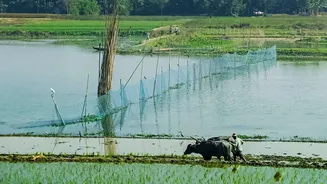
For many farmers in India's coastal regions, paddy cultivation is a way of life. But it's an increasingly difficult one. Manohar Shetty, a farmer from Uliyaragoli in Kapu taluk, was one of them. He cultivated rice across 15 to 20 acres, but faced mounting
challenges that chipped away at his earnings. Irregular rainfall made water management a gamble, while a persistent shortage of labour drove up cultivation costs. These economic pressures are a common story in Indian agriculture, where the high cost of inputs for crops like paddy often outweighs the final market price, leaving farmers in a precarious financial state. After years of repeated losses, Shetty knew something had to change.
An Idea Blooms from Research
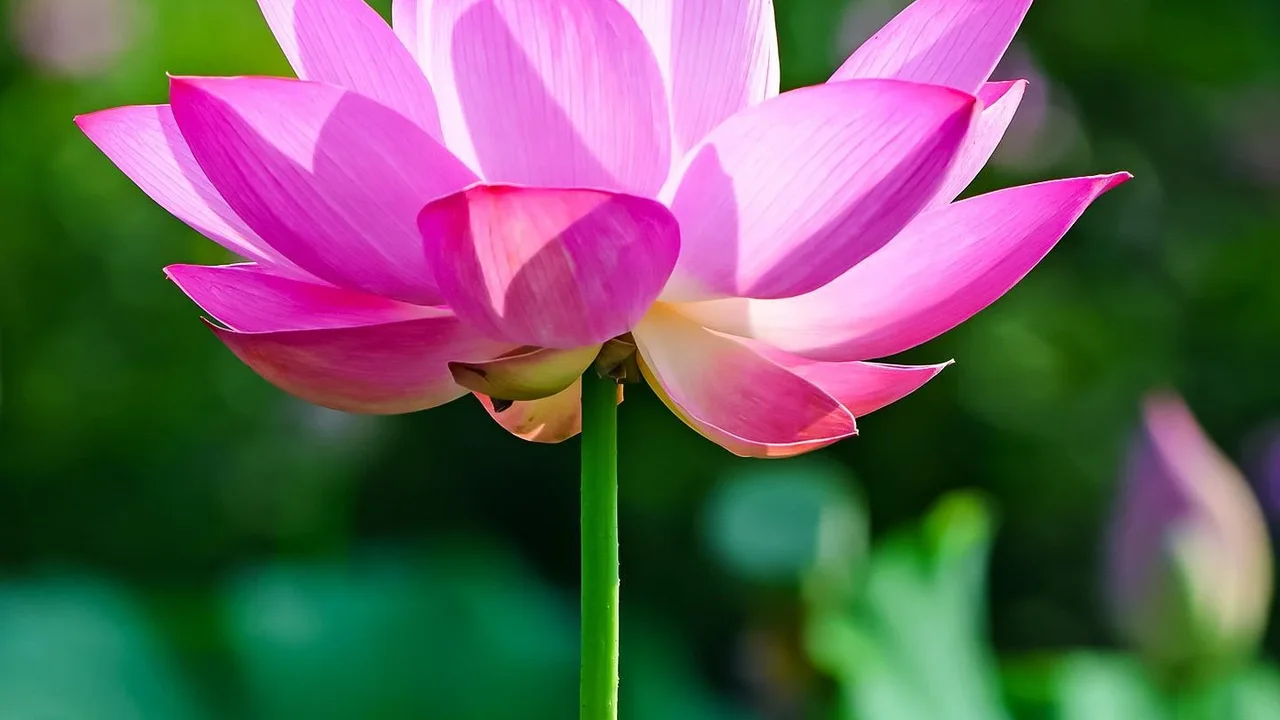
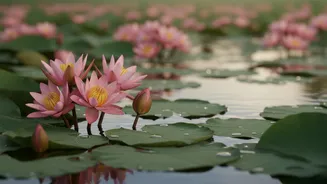
The solution came from an unlikely source: the lotus flower. Inspired by stories of successful lotus farming projects in other parts of Karnataka, Shetty decided to investigate. He spent nearly three months diligently studying the aquatic crop, learning about its cultivation needs and market potential. Convinced it was a viable alternative, he started with a small trial on his own land. The initial success was encouraging, giving him the confidence to convert a significant portion of his paddy fields into a commercial lotus farm. This shift represents a broader trend of farmers seeking innovative solutions for land that is no longer suitable for conventional crops, such as waterlogged fields.
The Economics of the Sacred Flower
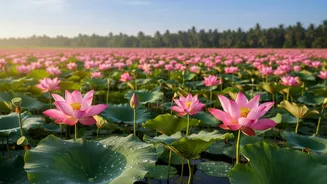
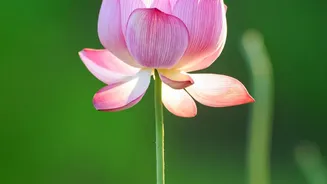
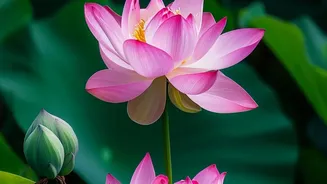
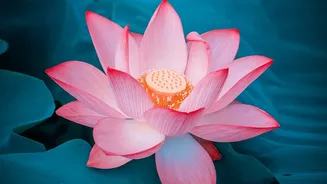
The financial turnaround has been remarkable. Shetty now cultivates several lotus varieties, including Pink Cloud and White Peony, on three acres using organic methods. After an initial growth period of about 90 days, the harvest began. For the last two months, his farm has produced 400 to 500 lotus flowers daily. Each flower sells for around ₹15, generating a potential monthly income of up to ₹1 lakh—a significant improvement over the strained profits from paddy. The demand is steady and reliable, with buyers ranging from prominent temples like the Kollur Mookambika Temple to local flower traders in Udupi and Kapu. This high demand is driven by the lotus's deep cultural and religious significance in India.
More Than Just a Flower
Lotus cultivation offers a surprisingly diverse range of commercial opportunities beyond the blossoms themselves. The plant's stems, known as 'bhey' in some regions, are used as a vegetable and for pickles. The seeds can be processed into nutritious food products like 'makhana' (fox nuts), and even the roots and leaves have value. Shetty's organic approach also adds value; instead of chemical pesticides, he uses neem-based products for pest control, making his produce healthier. This aligns with a growing movement towards natural farming in states like Andhra Pradesh, which aims to reduce input costs and improve soil fertility.
A Ripple of Inspiration
Shetty's success story is not just a personal victory; it's a potential blueprint for other farmers in the region. He believes that up to 200 acres of farmland in the Kapu area are suitable for making a similar switch. He is now actively helping other interested farmers, providing technical guidance and connecting them with markets. While lotus farming is not without challenges—it requires careful water management and can be susceptible to pests and fluctuating prices—it presents a powerful case for crop diversification. By moving away from monolithic crop cycles, farmers can find new revenue streams and build more resilient livelihoods in the face of economic and environmental uncertainty.