



The Soul of a Super-Condiment
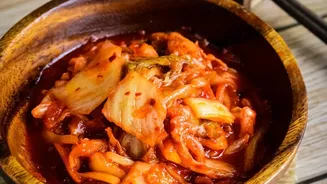
At its heart, kimchi is a traditional Korean side dish made from fermented vegetables. While napa cabbage is the most common base, there are hundreds of variations using ingredients like radishes, cucumbers, and spring onions. The vegetables are brined
and then coated in a flavourful paste typically made from gochugaru (Korean chilli powder), garlic, ginger, and often a type of salted seafood for a deep, savoury umami kick. This mixture is then left to ferment, a process where naturally present bacteria, like Lactobacillus, get to work. This ancient preservation method doesn't just extend the life of vegetables; it transforms them into something entirely new, creating a condiment that is complex, pungent, and fizzing with life.
The Science of a Sharp Palate Cleanser
That signature 'sharpness' in kimchi comes from lactic acid, a byproduct of the fermentation process. This is what gives kimchi its distinctive tangy, sour taste, which becomes more pronounced the longer it ages. This acidity is precisely why kimchi is so effective at balancing rich foods. When you eat something fatty or oily, the acid in the kimchi cuts through the richness, cleansing your palate and preventing the flavour from becoming monotonous. Think of it like a squeeze of lime over a heavy curry or the pickles served with a rich biryani; the effect is the same. The acidity brightens the entire dish, making each bite feel as vibrant as the first. This is complemented by the spice from the gochugaru and the deep umami notes, creating a multi-layered flavour experience that lifts a meal rather than weighing it down.
Kimchi as Your Kitchen's Secret Weapon
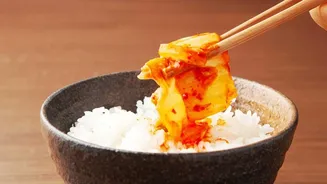
While traditionally served as a side dish (banchan) with nearly every Korean meal, kimchi's versatility makes it a powerful ingredient in its own right. Its ability to counterbalance richness makes it a natural partner for fatty meats like pork belly, but its applications are nearly endless. A spoonful of chopped kimchi can liven up a creamy cheese toastie or a bowl of mac and cheese, its tanginess providing a perfect counterpoint to the melted dairy. Stir-frying kimchi before adding rice or other ingredients creates a foundational layer of flavour that is tangy, savoury, and deeply satisfying. Even a simple bowl of steamed rice or dal can be transformed with a bit of kimchi on the side, instantly adding complexity and a refreshing crunch.
Creative Pairings for the Indian Palate
The flavour profile of kimchi, with its blend of sour, spicy, and savoury, feels surprisingly at home in the Indian kitchen, which already celebrates fermentation in foods like dosa batter and pickles (achaar). Integrating kimchi can be intuitive and exciting. Try tucking some chopped kimchi into a hot paratha with paneer or cheese for a quick, flavourful wrap. Its crunch and acidity can offer a delightful contrast when served alongside a creamy dal makhani or a rich paneer masala. Some have found success adding it to moong dal cheela, where its texture contrasts with the soft pancake, or even mixing it into curd rice for an extra probiotic and flavour boost. When paired with lighter curries, like a simple dal tadka or a coconut-based gravy, kimchi can act like a squeeze of lime, enhancing the existing flavours without overpowering them.
More Than Just Flavour
Beyond its culinary prowess, kimchi is celebrated for its health benefits. As a fermented food, it is a potent source of probiotics—the 'good' bacteria that support a healthy gut microbiome. A healthy gut is linked to improved digestion, a stronger immune system, and reduced inflammation. Kimchi is also packed with vitamins A, C, and K, along with essential minerals and antioxidants. So, while you're adding a dynamic layer of flavour to your meal, you're also giving your body a nutritious boost. It’s a win-win that makes this Korean staple a worthy addition to any modern kitchen.