







A Global Silent Spring
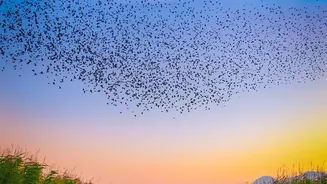
A landmark review published in Nature Reviews Biodiversity has delivered a stark warning to the world: migratory birds are disappearing at an alarming rate. The comprehensive study, a collaboration led by Georgetown University researchers, estimates that
approximately 51% of all migratory bird species are in decline across every major flyway on Earth. While nearly 300 species are already considered globally threatened, the crisis extends to once-common birds, indicating a widespread and systemic environmental breakdown. This isn't a distant problem; the report found that long-distance migrants, such as those that travel from the Arctic to India for the winter, are declining more rapidly than resident or short-distance migratory birds. The numbers paint a grim picture of a planet falling quiet, signaling an urgent biodiversity crisis that demands global attention.
The Human Fingerprint on a Global Crisis
The drivers of this catastrophic decline are overwhelmingly human-caused. Habitat loss stands as the single greatest threat. Wetlands are drained for agriculture and construction, forests are cleared, and coastal mudflats—critical resting and refueling stations—are consumed by development. For birds undertaking journeys of thousands of kilometers, the loss of even one link in this chain of habitats can be fatal, leading to exhaustion and starvation. Compounding this is the pervasive impact of climate change, which disrupts the delicate timing of migration, breeding, and the availability of food sources like insects. Other major threats include pollution from pesticides, collisions with power lines and buildings, unsustainable hunting, and the spread of diseases like avian influenza.
India's Critical Role on a Perilous Flyway
India sits at the heart of the Central Asian Flyway (CAF), a crucial aerial superhighway that spans 30 countries and is used by over 600 migratory species. This makes the country an indispensable wintering ground and stopover site for birds travelling from as far as Siberia. However, recent findings show that 40% of species using the CAF have declining populations. Iconic Indian wetlands, from Keoladeo National Park in Rajasthan to the floodplains of Bihar, have seen disturbing drops in visitor numbers. The Siberian Crane, once a regular visitor to Bharatpur, has not been reliably seen in decades, a tragic emblem of this decline. The degradation of these local habitats through pollution and encroachment directly contributes to the global crisis, highlighting India’s immense responsibility in this interconnected ecological network.
Why Their Disappearance Matters
The decline of migratory birds is more than just an aesthetic loss; it is a direct threat to the health of our ecosystems. These birds are vital bio-indicators, meaning their health reflects the health of the environment we all share. They perform irreplaceable services, acting as natural pest controllers for agriculture, pollinating plants, and dispersing seeds over vast distances, which is crucial for maintaining forest biodiversity. Their droppings, rich in nutrients, fertilize ecosystems. A world with fewer birds is a world with more insect pests, less resilient forests, and impoverished ecosystems. Their silent disappearance is a warning of a wider ecological cascade that ultimately affects human food security, health, and well-being. The crisis of migratory birds is, in effect, a crisis for humanity.