





Göbekli Tepe, Turkey: The World’s First Temple
Forget Stonehenge or the Pyramids; Göbekli Tepe rewrites the dawn of civilization. Dating back to around 9,600 BCE, this site in southeastern Turkey is considered the world's oldest known temple, built by hunter-gatherers thousands of years before the invention
of pottery, writing, or agriculture. Its discovery challenged the long-held theory that religion and monumental architecture followed the rise of farming settlements. Visitors can see massive T-shaped limestone pillars, some weighing several tons, arranged in large circles. These pillars are intricately carved with reliefs of powerful animals like leopards, boars, and snakes, offering a mysterious glimpse into the spiritual world of our prehistoric ancestors. While it’s growing in fame, it remains far from the packed tourist circuits of Istanbul or Cappadocia, offering a profound sense of discovery.
Rani-ki-Vav, India: The Queen’s Stepwell
While most visitors to India follow the Golden Triangle, cái state of Gujarat holds a subterranean masterpiece: Rani-ki-Vav, or the Queen’s Stepwell. Built in the 11th century by Queen Udayamati as a memorial to her husband, this is no simple well. It was designed as an inverted temple, with seven levels of stairs descending 27 meters to the water source. Each level is a feast for the eyes, adorned with over 500 major sculptures and countless smaller carvings of deities, mythical beings, and celestial dancers. Buried by silt from the Saraswati River for centuries, it was rediscovered and excavated, revealing its stunningly preserved artistry. Its grandeur and intricate detail easily rival more famous Indian monuments, yet it provides a far more serene and personal viewing experience.
The Wadden Sea, Denmark, Germany & Netherlands: A Sea You Can Walk On
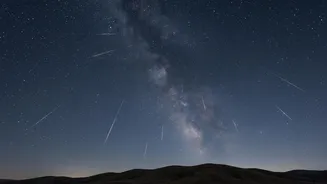
Not all world heritage sites are ancient ruins. The Wadden Sea is the world’s largest unbroken system of intertidal sand and mud flats, a dynamic coastal wetland stretching across three countries. Twice a day, the tide recedes to expose a vast, temporary landscape, allowing for the unique experience of 'mudflat hiking' (wadlopen) on the seabed. This UNESCO natural wonder is a crucial stop for millions of migratory birds and a vital habitat for seals. It’s a place of constant change, where the view transforms every few hours with the ebb and flow of the water. For those seeking an escape from city life, the Wadden Sea offers a powerful connection to nature’s rhythms, with endless vistas and some of the darkest, starriest skies in Europe.
Jesuit Missions of Paraguay: Utopian Ruins in the Jungle
In the heart of southern Paraguay lie the atmospheric ruins of La Santísima Trinidad de Paraná and Jesús de Tavarangue. These 17th-century Jesuit 'reductions' were unique communities where Jesuit missionaries and the indigenous Guaraní people lived and worked together. Rather than forcing assimilation, the Jesuits often incorporated Guaraní culture and their language was documented, helping to preserve it. The missions became self-sufficient towns known for their artistic and architectural achievements. The ruins, though less famous than sites like Machu Picchu or Chichen Itza, are deeply evocative. Trinidad was one of the largest and most ambitious missions, while the church at Jesús de Tavarangue was left unfinished when the Jesuits were expelled in 1767. Visiting these sites often means having them almost to yourself, allowing for quiet contemplation of a fascinating chapter in South American history.
Maloti-Drakensberg Park, South Africa & Lesotho: A Mountain Art Gallery
This transboundary park, a combined natural and cultural site, is a landscape of staggering beauty, with dramatic basalt cliffs, soaring peaks, and deep river gorges. While many travelers visit South Africa for its wildlife safaris, this region offers a different kind of wonder. Its true treasure lies hidden in rock shelters and caves: the largest and most concentrated collection of rock paintings in sub-Saharan Africa. Created by the San people over a period of 4,000 years, these detailed paintings depict animals and human figures, providing invaluable insight into the spiritual beliefs and daily life of a people who have long since vanished from the area. This open-air art gallery, set against a backdrop of breathtaking mountain scenery, connects visitors to a deep and ancient human story often overshadowed by the country's other attractions.