




The Solo Cooking Challenge
Most recipes are designed to serve four, six, or even more people. This simple fact is the root of the problem for the millions of people in single-person households. Halving or quartering recipes can feel like a complicated maths problem, and it isn't
always straightforward. You might be left with half a can of coconut milk or an awkward amount of vegetables that wilts in your fridge before you can use it. This often leads to a cycle of overbuying, food waste, and a lack of motivation to cook at all. Studies have shown that single-person households can waste significantly more food per person than larger households, simply due to issues with portion sizes and bulk packaging. The solution isn’t to resign yourself to a diet of toast and takeaway, but to adopt a more strategic mindset.
Master the Art of the Half-Batch
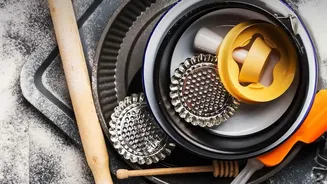
Instead of making a full recipe and dealing with a mountain of leftovers, embrace the half-batch. This means intentionally cooking smaller portions. For many recipes like soups, stews, or grain dishes, simply dividing all the ingredients in half works perfectly. It's wise to write down the new measurements before you start to avoid mistakes. However, for some dishes, especially baked goods, scaling down can be trickier with things like eggs or leavening agents. A good rule of thumb for an egg is to whisk it and use half. For other ingredients, it’s about using your best judgment. This approach also requires smaller cookware; cooking a small portion in a large pan can cause it to cook too quickly or unevenly. A loaf pan can often be a great substitute for a standard 8x8 baking dish when halving a recipe.
The Power of Shared Ingredients
This is where your cooking plan becomes truly efficient. Instead of planning distinct meals with completely different ingredient lists, think about how one core component can be used across several dishes. This is sometimes called 'component cooking' or 'mix-and-match meal prep'. For example, roast a whole chicken on Sunday. On Monday, you can have a classic roast dinner. On Tuesday, shred the leftover meat for tacos or a wrap. On Wednesday, use the remaining chicken and the carcass to make a flavourful soup stock. The same logic applies to vegetables and grains. Cook a large batch of rice or quinoa at the start of the week. Use it as a side dish one night, the base for a grain bowl another, and part of a stir-fry later on. This method ensures you use up what you buy, saving money and dramatically reducing waste.
A Sample Weekly Blueprint
Let's put this into practice. Imagine you buy a large head of cauliflower, a bag of spinach, and a block of paneer. Your week could look something like this: Day 1: Make a half-batch of a paneer and spinach curry, served with fresh rice. Day 2: Roast the cauliflower florets with spices. Toss them with some of the leftover spinach and a simple dressing for a warm salad. Day 3: Use the remaining paneer, crumbled, along with any leftover cauliflower to create a filling for a stuffed paratha or a quick vegetable stir-fry. Day 4: Any remaining spinach can be wilted into scrambled eggs for a quick, protein-packed breakfast or lunch. This approach turns leftovers into 'planned-overs', where ingredients are creatively repurposed into entirely new and exciting meals, preventing the boredom that comes from eating the exact same dish multiple times.
Shop Smarter, Not Harder
This cooking strategy works best when paired with smart shopping habits. Before you go to the store, take a quick inventory of your fridge and pantry to see what needs to be used up. Instead of buying pre-packaged produce, which is often too large for one person, make use of bulk bins or local markets where you can buy just the amount you need. The same goes for the deli or meat counter, where you can purchase a single chicken breast or a smaller portion of meat. Your freezer is also a powerful ally. Freeze extra portions of soup, stew, or even browned ground meat in individual servings for a quick meal down the line. You can even freeze half a batch of cookie dough balls to bake one or two fresh cookies whenever you want a treat.