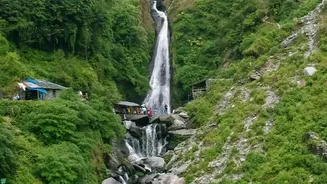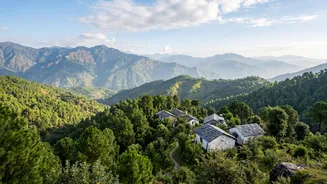




The Great Mountain Rush
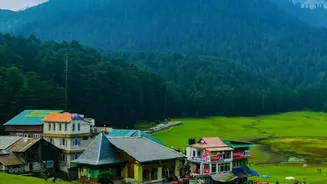
The scenes have become an annual ritual: viral videos of bumper-to-bumper traffic snaking up mountain roads and images of overcrowded mall roads in what should be peaceful retreats. Destinations like Shimla, Manali, Mussoorie, and Nainital are grappling
with a flood of visitors that their infrastructure was never designed to handle. In recent years, tourist numbers have exploded. For instance, Himachal Pradesh saw its tourist arrivals grow by over 200% in just three years. This surge is driven by a combination of rising incomes, better road connectivity, the influence of social media, and a desperate flight from scorching summer heatwaves in the plains. The result is that towns built for a few thousand residents are now hosting tens of thousands of visitors daily during peak season, pushing their carrying capacity to the breaking point.
Gridlock at High Altitudes
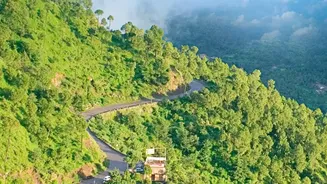
Perhaps the most visible sign of this crisis is the traffic. The idyllic drive to the hills has, for many, turned into a frustrating crawl. It’s not uncommon for tourists to spend more time stuck in their cars than enjoying the views, with traffic jams stretching for kilometres and lasting for hours. Shimla, for example, has a parking capacity for about 5,000 vehicles but has seen as many as 15,000 vehicles trying to enter daily during the tourist rush. These narrow, winding mountain roads, some built during the colonial era, are simply not equipped for the sheer volume of modern vehicles. The congestion not only ruins the holiday experience but also contributes to rising air and noise pollution, undermining the clean mountain air that people came for in the first place.
The Taps Are Running Dry
Beneath the surface of the traffic chaos lies a more critical problem: a severe water crisis. Many hill stations, including the 'Queen of the Hills', Shimla, now face acute water shortages, especially during the summer tourist season. The infrastructure in these towns often dates back to a time when they served a much smaller population. This aging system cannot cope with the demands of countless hotels, restaurants, and a tourist population that can swell a city’s numbers by thousands each day. The crisis has become so dire that in some instances, local residents have been forced to ration water or wait for government tankers, even as tourist establishments continue to draw heavily on the limited supply.
A Concrete Catastrophe
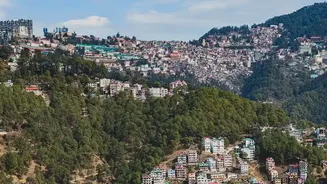
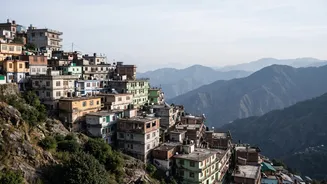
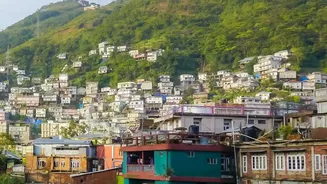
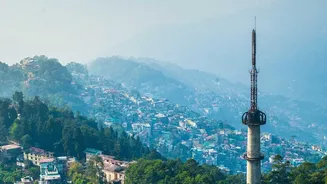
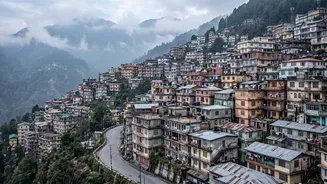
The natural landscape is also being steadily eroded by a wave of construction. Driven by the demand for more hotels, guesthouses, and commercial properties, a construction boom is transforming green hillsides into concrete jungles. Much of this development is unplanned and often illegal, with buildings flouting safety norms and environmental regulations. Traditional, lighter materials like wood and stone are being replaced by heavy concrete and brick, which puts immense pressure on the fragile, landslide-prone slopes of the Himalayas. This not only scars the natural beauty but also poses a grave danger, increasing the risk of disasters in these ecologically sensitive zones. Courts have begun to take notice, calling for action against officials who permit such illegal constructions.
An Environmental Reckoning
The explosion in tourism has brought with it an environmental toll that is becoming impossible to ignore. Waste management systems are completely overwhelmed. Mountains of plastic bottles, food wrappers, and other non-biodegradable trash are a common sight, polluting forests, streams, and trekking trails. In many towns, the amount of waste generated far exceeds the local capacity to process it, leading to open dumping and burning, which releases toxins into the environment. The constant foot traffic, noise, and pollution also disrupt wildlife habitats and contribute to soil erosion, threatening the very biodiversity that makes these regions special.