







The Workhorse of the Skies
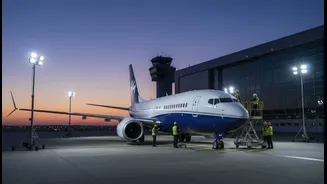
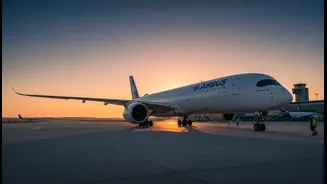
At the heart of this strategy are narrow-body jets, the backbone of short to medium-haul aviation. These single-aisle aircraft, such as the Airbus A320neo family and the Boeing 737 MAX, are perfectly suited for the Indian market. Air India Group is set
to induct 40 to 50 new narrow-body planes annually over the next several years. This isn't just a minor top-up; it's a fundamental component of the airline's historic order for hundreds of aircraft, positioning it to compete fiercely in the world's fastest-growing aviation market. These jets are prized for their fuel efficiency and operational flexibility, making them ideal for connecting metros, as well as burgeoning Tier-2 and Tier-3 cities.
Powering the Domestic Expansion
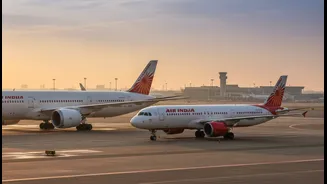
The primary mission for this new fleet is to conquer the domestic market. With a rapidly growing middle class and increasing economic activity in smaller cities, the demand for flights within India has never been higher. Air India, along with its low-cost arm Air India Express, plans to deploy these aircraft to increase frequencies on popular trunk routes and launch new services to underserved destinations. This move directly challenges the long-standing dominance of IndiGo in the domestic sphere. By offering more connections and newer aircraft, the Air India Group aims to provide a compelling alternative for millions of Indian flyers, banking on a blend of enhanced service and network depth.
Broadening Regional Horizons
The strategy extends beyond India's borders. Modern narrow-body aircraft, particularly variants like the Airbus A321XLR (Extra Long Range), have the capability to fly for up to seven hours. This opens up a vast network of regional international destinations that were previously the domain of larger, more expensive wide-body jets. From its Indian hubs, Air India can now efficiently connect to more cities across the Middle East, Southeast Asia, and even parts of East Africa and Europe. The UAE, for instance, remains a critical international market for the group. This allows the airline to 'right-size' its capacity, flying the most efficient plane for each route, thereby improving profitability and offering more direct international connections to passengers from various Indian cities.
The Passenger Experience Dividend
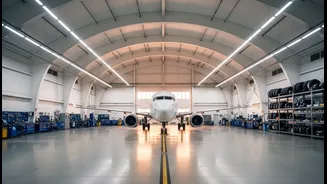
For travellers, a newer fleet means more than just additional routes. These next-generation aircraft come with modern cabin interiors, offering a more comfortable and pleasant journey. The induction of new planes is part of a wider transformation plan that includes retrofitting existing aircraft to create a consistent and elevated passenger experience across the board. Furthermore, the superior fuel efficiency of the new jets helps airlines manage costs in a volatile market, which can contribute to more stable and competitive fares. Enhanced reliability is another key benefit, as newer fleets generally experience fewer technical delays, leading to a more predictable travel schedule for customers.
A Calculated Bet on India’s Future
Despite headwinds like supply chain delays and volatile fuel prices that affect the global aviation industry, Air India's leadership insists the transformation is on track. The airline group expects to receive 50 to 60 new aircraft within the next 18 months alone. This massive investment in narrow-body jets is a clear and calculated bet on India’s sustained economic growth. It reflects a deep confidence that the demand for air travel—both for business and leisure, domestic and regional—will continue its upward trajectory. By building a modern, efficient, and versatile fleet, the Air India Group is not just aiming to reclaim market share; it's positioning itself to be a dominant force in Indian aviation for decades to come.