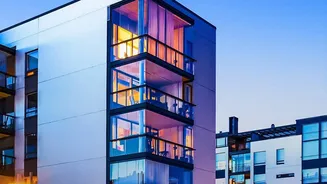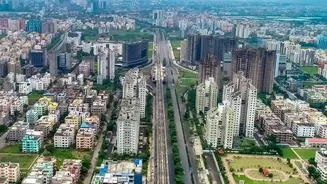



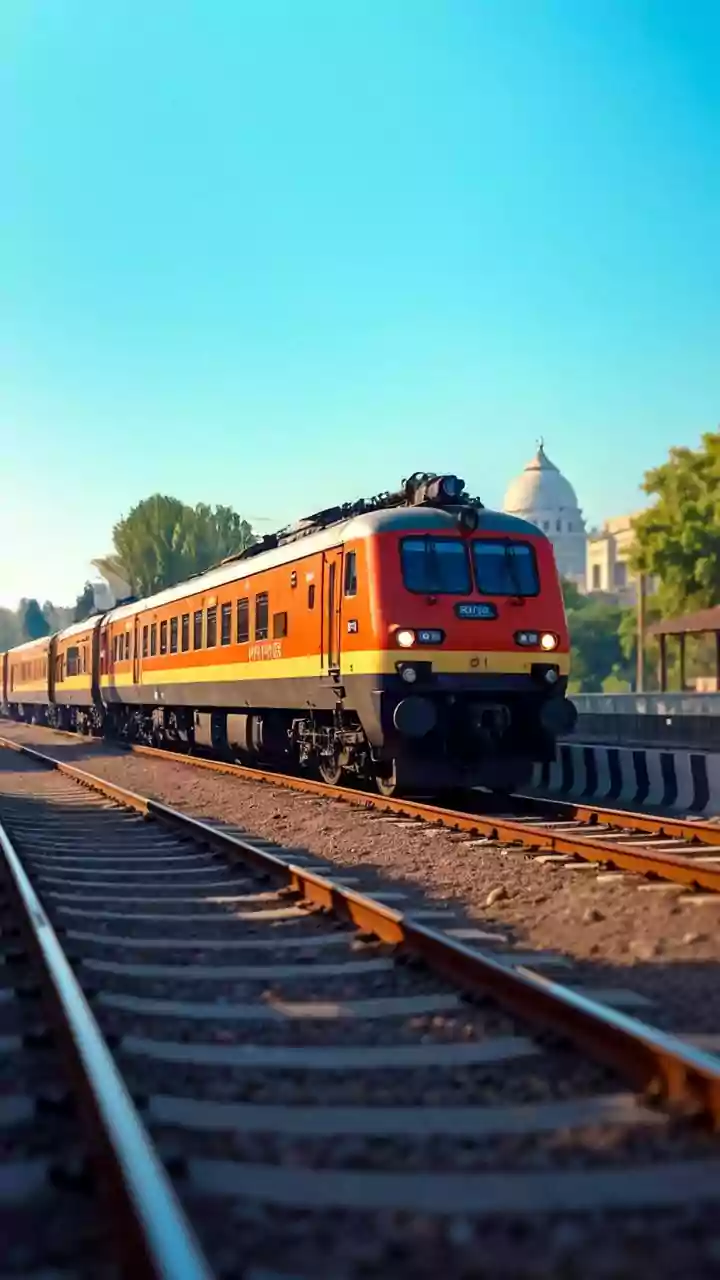




The old real estate mantra was 'location, location, location'. In modern India, that mantra has a new rhythm: 'connectivity, connectivity, connectivity'. A good address is no longer enough; how easily you can get to and from it is key.
Connectivity Is the New 'Prime Location'
For decades, an
apartment's appeal was tied to its pin code. A prestigious neighbourhood name automatically commanded higher prices and rental demand. Today, that model is evolving. While the neighbourhood still matters, homebuyers and investors are increasingly prioritising 'temporal distance'—how long it takes to commute—over sheer physical distance. Infrastructure has become the single most reliable predictor of real estate growth in India. A property located on the outskirts of a city can become more valuable than one closer to the centre if it is connected by a high-speed expressway or a metro line. This shift is driven by large-scale government spending on transport networks, which effectively shrinks the city and brings once-peripheral areas into the economic mainstream.
The Metro Effect: A Powerful Price Driver
Across India's major cities, the expansion of metro rail networks is the most consistent driver of residential property appreciation. The announcement of a new metro corridor is often enough to trigger a price increase in nearby properties. Studies and market data show that properties within a 500-metre to one-kilometre radius of a metro station can see their value increase by anywhere from 10% to 40%. In Pune, for instance, homes near metro stations have seen annual appreciation of 10-25%. This 'metro effect' also has a huge impact on the rental market. Landlords with properties near a metro station often report higher rental income and lower vacancy periods as students and working professionals prioritise easy commutes.
Highways and Expressways: Broadening the Horizon
While metros transform intra-city travel, a growing network of national highways, expressways, and ring roads is reshaping the real estate landscape on a larger scale. Projects like the Delhi-Mumbai Expressway have opened up entirely new corridors for residential and commercial development, leading to sharp increases in land prices along these routes. For homebuyers, these road networks make suburban and peripheral locations more viable, offering the possibility of more spacious homes without the pain of a gruelling, multi-hour commute. This infrastructure attracts not just residents but also businesses, IT parks, and retail centres, which in turn creates a self-sustaining ecosystem that further boosts housing demand.
The Overlooked Last Mile
Living near a metro station or an expressway is a major advantage, but it doesn't tell the whole story. The 'last-mile' journey—the trip from the transport hub to your doorstep—is a critical factor that can make or break an apartment's appeal. Many of India's metro systems are underutilised partly because of poor last-mile connectivity. If residents have to rely on expensive or unreliable auto-rickshaws to cover the last kilometre, the benefits of the metro are diminished. Research shows that commuters are generally willing to spend a maximum of 20 minutes on their last mile journey. Therefore, smart buyers look for integrated townships or areas with reliable feeder buses, safe pedestrian pathways, and good local road networks.
A Word on the Future: Tier-'II'' Cities and Remote Work
The focus on connectivity isn't limited to the top metro cities. A combination of infrastructure development and economic growth is turning several Tier-'II'' cities like Jaipur, Indore, Lucknow, and Coimbatore into real estate hotspots. Between 2021 and 2026, residential prices in 11 such emerging markets rose by an average of 63%, significantly outpacing the 42% growth seen in the top eight metros. The ongoing shift towards hybrid and remote work is also influencing choices. Some buyers are now more willing to move farther away from central business districts in exchange for larger homes and a better quality of life, as long as essential road and rail connectivity is in place for occasional office visits and travel.