







Meet the Intruders: Common Pantry Pests
Knowledge is the first step to prevention. The most common pests found in Indian pantries are small but persistent. You might encounter rice weevils, which are tiny beetles with long snouts that infest whole grains. Flour beetles, both the red and confused
varieties, are small, reddish-brown insects that thrive in flour, cereals, and other milled products. Then there are Indian meal moths, whose larvae are the real culprits. These tiny caterpillars spin silky webs in grains, dried fruits, nuts, and spices, contaminating far more food than they consume. Most of these pests don't just wander in from outside; they often hitch a ride into your home inside contaminated grocery packages. Their eggs or larvae can be hidden inside paper bags or cardboard boxes, waiting for the right conditions to hatch and spread.
The First Line of Defence: Airtight Storage
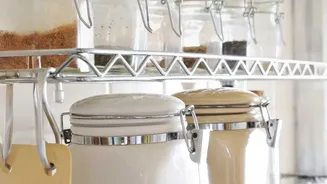
Cardboard boxes and paper bags are no match for determined pests. Weevils can chew through them, and other insects can easily find their way through small gaps and seams. The single most effective way to protect your dry goods is to transfer them into airtight containers immediately after purchase. This creates a physical barrier that pests cannot penetrate. Glass jars with clamp lids and rubber gaskets are an excellent choice as they are impervious to insects and don't absorb odours. High-quality, BPA-free plastic containers with locking lids and silicone seals are another great option, especially for larger quantities of flour, rice, and dals, as they are lighter and less prone to breaking. By decanting new purchases right away, you break the lifecycle of any pests that may have been present in the original packaging, containing a potential problem before it can spread to your entire pantry.
Why a Dry Pantry Is a Pest-Free Pantry
Pantry pests, many of which originate in tropical climates, thrive in warmth and humidity. Moisture is a magnet for them, as it not only provides the water they need to survive but also encourages the growth of mould, which can be another food source. Even slight dampness from a minor leak, condensation, or spills can make your pantry an ideal breeding ground. To combat this, always ensure your pantry shelves are completely dry. Wipe up any spills immediately, whether it's a splash of water or a sprinkle of flour. If you live in a particularly humid region, consider using moisture absorbers like silica gel packs or charcoal bags on your shelves. Ensuring good air circulation can also help prevent the damp, stagnant conditions that pests love.
The Power of a Consistent Cleaning Routine
A clean pantry leaves pests with nowhere to hide and nothing to eat. Crumbs and food residue are an open invitation for insects like ants and beetles. A regular cleaning schedule is essential. At least once a week, sweep or vacuum the pantry floor to remove stray crumbs. Every few months, perform a deep clean: take everything off the shelves, check for expired items, and wipe the shelves down thoroughly. A simple solution of equal parts white vinegar and water is effective for cleaning, as the vinegar helps remove food odours and can deter pests. Pay special attention to cracks, corners, and the edges of shelves, where food particles can accumulate. Don't forget to wash and dry your storage containers before refilling them to avoid cross-contamination from old food particles.
Smart Habits for Long-Term Prevention
Beyond the three core principles, a few smart habits can further fortify your pantry. Always inspect packaging at the store for any signs of damage, like tiny holes or webbing, before you buy. Practice the 'First-In, First-Out' (FIFO) method by rotating your stock, placing newer items at the back and older ones at the front to ensure they get used in a timely manner. Avoid mixing old and new batches of the same food in one container, as this can transfer a hidden infestation to your fresh supply. For high-risk items like organic flours or bulk nuts, you can freeze them for a week after purchase to kill any potential eggs before transferring them to your airtight containers. As a final, gentle deterrent, placing a few dried bay leaves on your shelves or inside containers can help repel many common pests, as they dislike the pungent aroma.