





The Science of a Powerful Spice
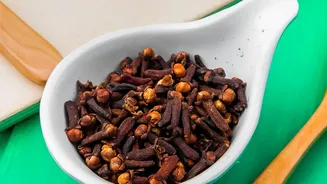
Clove's intense aroma and flavour come from a powerful organic compound called eugenol. This molecule is responsible for the spice's signature warm, sweet, and slightly peppery notes, but it's also what gives it a distinct, almost numbing quality. In
fact, eugenol makes up a staggering 70-90% of clove's essential oil, making it one of the most potent spices in the pantry. This concentration is why a very small amount goes a long way. While spices like cinnamon offer a gentle, sweet warmth, clove brings a pungent, assertive heat that can easily become bitter or acrid if overused, a common pitfall for even experienced home cooks.
A Supporting Actor, Not the Star
The key to using clove successfully in sweet dishes is to think of it as a supporting actor, not the lead. Its job is to enhance and add complexity to other flavours, providing a deep, resonant background note. When used correctly, clove can make fruits taste fruitier and other spices seem richer. In classic spice blends for pumpkin pie or gingerbread, for example, clove is almost always used in smaller quantities than its partners like cinnamon and ginger. A typical ratio might see just one part clove to three or four parts cinnamon. This balance ensures the final flavour is a harmonious choir of spices, rather than a solo performance by the most dominant singer.
Perfect Pairings for Sweet Success
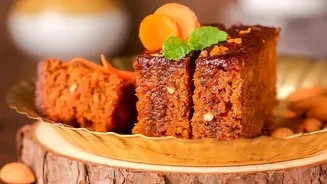
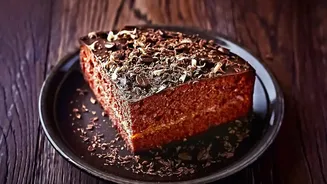
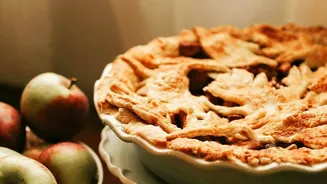
Clove’s strong personality means it shines brightest when paired with equally robust or complementary flavours. In the world of sweets, it has several classic partners. Fruits like apples, pears, and oranges stand up well to its intensity, which is why mulled cider and wine are such perennial favourites. The spice beautifully cuts through the sweetness and acidity of the fruit. Clove also works wonderfully with deep, rich flavours like molasses in gingerbread or the earthy sweetness of pumpkin and sweet potato. It can even add a surprising depth to chocolate, elevating brownies or hot cocoa with just a tiny pinch. Pairing it with other warm spices like cinnamon, nutmeg, and allspice helps to round out its sharp edges and create a more mellow, integrated flavour profile.
Practical Tips for Your Kitchen
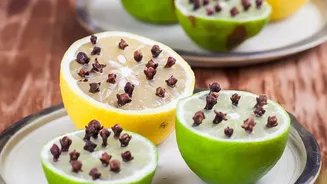
To master the art of cooking with clove, a few practical tips can make all the difference. When a recipe calls for slow simmering, like a fruit compote or a spiced syrup, opt for whole cloves instead of ground. They release their flavour more gradually, giving you greater control. A good rule of thumb is to use them sparingly and remove them before serving to avoid an unpleasant, woody bite. If you must use ground cloves, remember that they are more potent than whole ones. Start with a very small pinch—often, less than a quarter teaspoon is enough for an entire cake or batch of cookies. For the freshest and most nuanced flavour, buy whole cloves and grind them yourself in small batches as needed. This preserves the essential oils that begin to dissipate as soon as the spice is ground.