



Safety First, for Everyone
When you walk into a veterinary clinic, the top priority for the staff is the well-being of your pet and the safety of everyone involved. Informing them that your dog stiffens when you approach their food bowl, or that your cat hates having its hind legs
touched, is not an admission of a 'bad pet'. It's critical safety information. This knowledge allows the veterinary team to take precautions. For an animal with food aggression, they will ensure no treats are offered in a way that could trigger a defensive reaction. For a touch-sensitive pet, they can adjust their examination approach, use specific handling techniques, or even consider sedation for necessary procedures to prevent a fear-induced bite. A bite not only injures a staff member but can have serious consequences for your pet, too. Full disclosure protects your beloved animal and the people trying to help them.
Behaviour Is a Diagnostic Clue
Sudden changes in behaviour are often the first sign of an underlying medical issue. A dog that suddenly starts guarding its food might not be acting out; it could be experiencing pain from a dental problem or another condition that makes eating uncomfortable. Similarly, a cat that now reacts aggressively to being picked up could be suffering from arthritis or an internal injury. When you report these behavioural shifts, you're not just describing a personality quirk; you're providing your veterinarian with valuable diagnostic clues. This information helps them know where to look for a physical problem. Without this context from you, the vet might miss a crucial piece of the puzzle, potentially delaying a correct diagnosis and treatment for your pet's discomfort.
Enabling a 'Fear Free' Experience
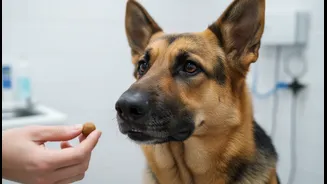
Modern veterinary medicine is increasingly focused on a pet's emotional well-being during visits. The 'Fear Free' movement aims to reduce fear, anxiety, and stress in pets at the clinic. When vets know about your pet’s triggers, they can create a calmer, more positive experience. This might involve using non-slip mats, offering high-value treats as a distraction, using calming pheromone diffusers, or handling the pet in a specific way that avoids sensitive areas. Sometimes, the best approach for a highly anxious pet is pre-visit medication to take the edge off before they even arrive. This not only makes the current visit less traumatic but also helps prevent your pet from developing a deep-seated phobia of the vet, making future check-ups much smoother. An accurate history from you is the first step in creating this tailored, low-stress approach.
How to Describe the Behaviour
It can feel embarrassing to talk about these issues, but veterinarians have heard it all and will not judge. To make the conversation effective, be specific and objective. Instead of saying your dog is “grumpy,” describe exactly what happens. Say, “When I walk past his bowl while he’s eating, he stops, gets very stiff, and makes a low growl.” For touch sensitivity, pinpoint the area: “She loves being petted on her head, but if I touch her paws, she will hiss and try to scratch.” It’s also helpful to note when the behaviour started and if it's getting worse. If possible, take a video of the behaviour in its natural setting. A short, safe video can give your vet a clear, firsthand look at the issue far more effectively than words alone.