




Why Light Is Non-Negotiable
Before picking a single plant, it's essential to understand that light is a plant's food. Through photosynthesis, plants convert light into the energy they need to grow. Mismatching a plant with its required light level is the most common reason vertical
gardens fail. A sun-loving plant in a dark corner will become weak and yellow, while a shade-dweller will scorch in a bright, sunny spot. Unlike a potted plant you can move, a living wall is a fixture. The plants you choose are locked into that specific light environment, making the initial selection process absolutely critical for long-term health and beauty.
First, Assess Your Available Light
Determining your light situation is simple. Observe the spot where you plan to install the wall throughout the day. A location is considered 'high light' if it receives at least six hours of direct, unfiltered sunlight, such as from a south-facing window. 'Medium light' refers to bright, indirect illumination, often found in rooms with east or west-facing windows or a few feet away from a south-facing one. 'Low light' describes areas that receive no direct sun, like a north-facing room or a hallway far from any windows. This is the brightness where you could comfortably read a book but without direct sunbeams. Being honest about your light conditions is the foundation for a successful wall.
Best Plants for High-Light Walls
For those bright, sun-drenched spots, you need plants that can handle the intensity. Succulents are a popular choice for their love of sun and low water needs. Vining plants that do well in bright light include some varieties of Ivy, which will happily climb and trail. For a pop of colour, Anthuriums offer waxy, long-lasting blooms in shades of red and pink and thrive in warm, bright spots. If you have a larger wall, certain smaller palm varieties can also work, provided they get the consistent light they crave. Always double-check that your chosen plants can handle direct sun, as even some 'bright light' plants can get scorched by intense afternoon rays.
Top Choices for Medium-Light Walls
This is the sweet spot for many of the most popular and forgiving houseplants, making it a great starting point for beginners. The undisputed champions of medium light are Pothos and Philodendron. Both are vining plants that are famously easy to care for, tolerant of occasional neglect, and come in numerous varieties with different colours and variegation. Spider Plants are another fantastic choice, known for their arching leaves and the 'pups' they produce, which help fill out the wall. For added texture, consider the Boston Fern, which loves humidity and adds a soft, feathery look. Tradescantia, also known as the Silver Inch Plant, offers beautiful striped foliage and grows quickly.
Thriving Plants for Low-Light Walls
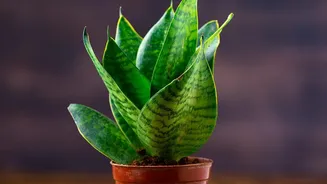
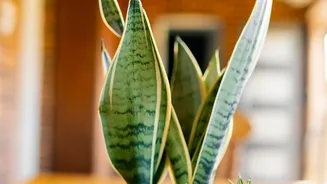
Don't despair if you have a darker space; many plants have adapted to grow on shady forest floors and will do just fine on a low-light wall. The Snake Plant and ZZ Plant are nearly indestructible, tolerating low light and infrequent watering with ease. Many types of Pothos and Philodendron also adapt well to lower light levels, though their growth might be slower. For a touch of elegance, the Peace Lily can survive in low light, as can the sturdy Cast Iron Plant. The Parlour Palm is another excellent option that adds height and texture while demanding very little light to stay healthy. These plants are perfect for bringing life to hallways, bathrooms, or rooms with north-facing windows.
Putting It All Together
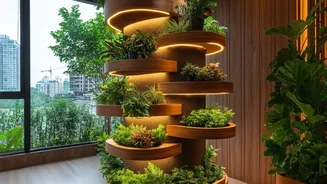
When designing your wall, think about how the plants will grow. Place vining plants like Pothos and Ivy near the top to allow them to cascade down and create a 'spilling' effect. Fuller, bushier plants like ferns and Spider Plants can fill the middle sections. Be mindful not to mix plants with drastically different needs; a fern that loves moisture shouldn't be next to a succulent that prefers to stay dry. Grouping plants with similar light and water requirements not only makes maintenance easier but also ensures every plant on your wall has a chance to flourish. Regular pruning will also be necessary to keep faster-growing plants from shading out their neighbours.