





The dream of owning a flat is a major life goal. But in the excitement of selecting tiles and admiring the view, many buyers overlook a crucial factor that will define their daily life for years: the journey to work.
Beyond Kilometres: The True Cost of a Long Commute
The price of a long commute isn't just
measured in fuel or metro fares. It's a hidden tax on your time, health, and finances. Studies show that in India's major metro cities, traffic congestion can cost the economy over ₹1.5 lakh crore annually through lost productivity and wasted fuel. For an individual, this translates to accelerated wear and tear on your vehicle, thousands of rupees in extra fuel costs, and, most importantly, lost hours that could be spent with family, exercising, or simply relaxing. In cities like Bengaluru, Mumbai, and Delhi, one-way peak-hour commutes can stretch from 45 to 90 minutes, turning a daily routine into a significant drain on your resources. This daily grind is a leading cause of stress, anxiety, and burnout before the workday even begins.
The Quality of Your Journey Matters
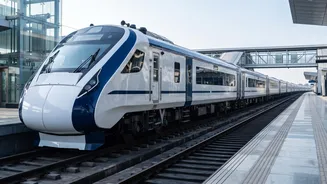
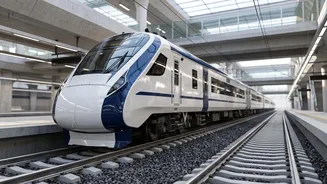
Not all commutes are created equal. A 45-minute drive through chaotic, unpredictable traffic is vastly different from a 45-minute metro ride with a book. When evaluating a potential home, consider the mode of transport. Is the area well-connected by reliable public transit like a metro? Delhi's extensive metro network, for example, can significantly cut travel times for those living and working along its corridors. Assess the 'last-mile' connectivity from the station or bus stop to your home and office. A property that appears close to a metro line on a map might still require a frustrating auto ride or a long walk. The quality of your journey—its stress level, predictability, and comfort—directly impacts your overall well-being.
Don't Bank on Permanent Remote Work
The rise of hybrid and remote work has changed how many think about distance. It has encouraged homebuyers to seek larger, more affordable homes in peripheral areas, trading proximity for space. This has been a key trend in cities like Hyderabad and Pune, where buyers are moving further out along developing corridors. However, it's risky to assume that a flexible work policy today will last forever. Companies' needs change, and a return-to-office mandate could suddenly turn your peaceful suburban home into the source of a gruelling daily journey. Before buying far from your workplace, have a realistic conversation about the long-term stability of your remote arrangement. The safest bet is to choose a location that works for both hybrid and full-time office scenarios.
Future-Proof Your Decision
A location's value is not just about its present state but its future potential. Before you buy, research upcoming infrastructure projects in the area. Is a new metro line, expressway, or flyover planned that could drastically improve connectivity in the next five years? Government portals and local development authorities are good sources for this information. Investing in an area with planned development can not only ease your future commute but also lead to significant appreciation in your property's value. Conversely, be aware of developments that might increase traffic congestion. A holistic view of the area's trajectory is essential for making a smart, long-term investment.
Test Drive Your Commute
The single most effective way to understand your potential new life is to live it for a day. Before you finalise the deal, 'test drive' the commute. Travel from the potential property to your workplace during peak morning rush hour. Then, make the return journey during the evening peak. This simple exercise provides a real-world feel for the traffic, the crowds on public transport, and the time it actually takes door-to-door. It moves the decision from an abstract number on a map to a lived experience. This trial run can either solidify your decision or save you from years of daily frustration, making it one of the most important steps in the home-buying process.