





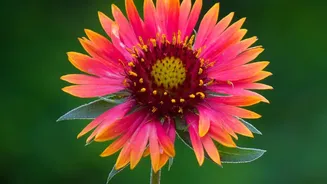
What is the Neelakurinji Flower?
Neelakurinji, scientifically known as Strobilanthes kunthiana, is a shrub that is native to the shola forests and high-altitude grasslands of the Western Ghats in South India. Its name is a combination of two words: 'Neela,' meaning blue, and 'Kurinji,'
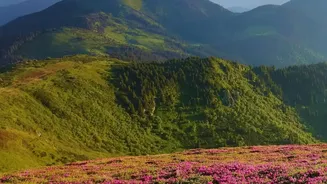
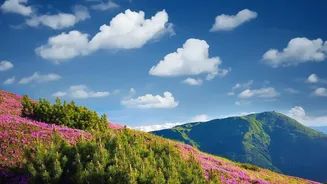
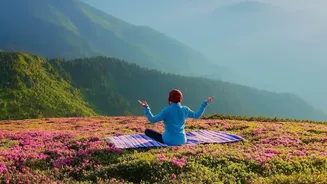
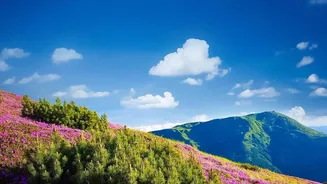
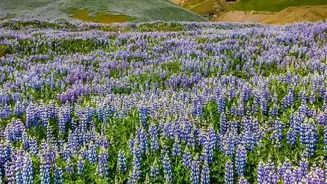
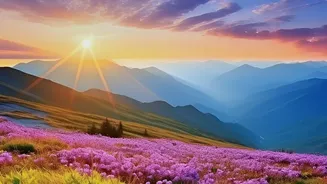
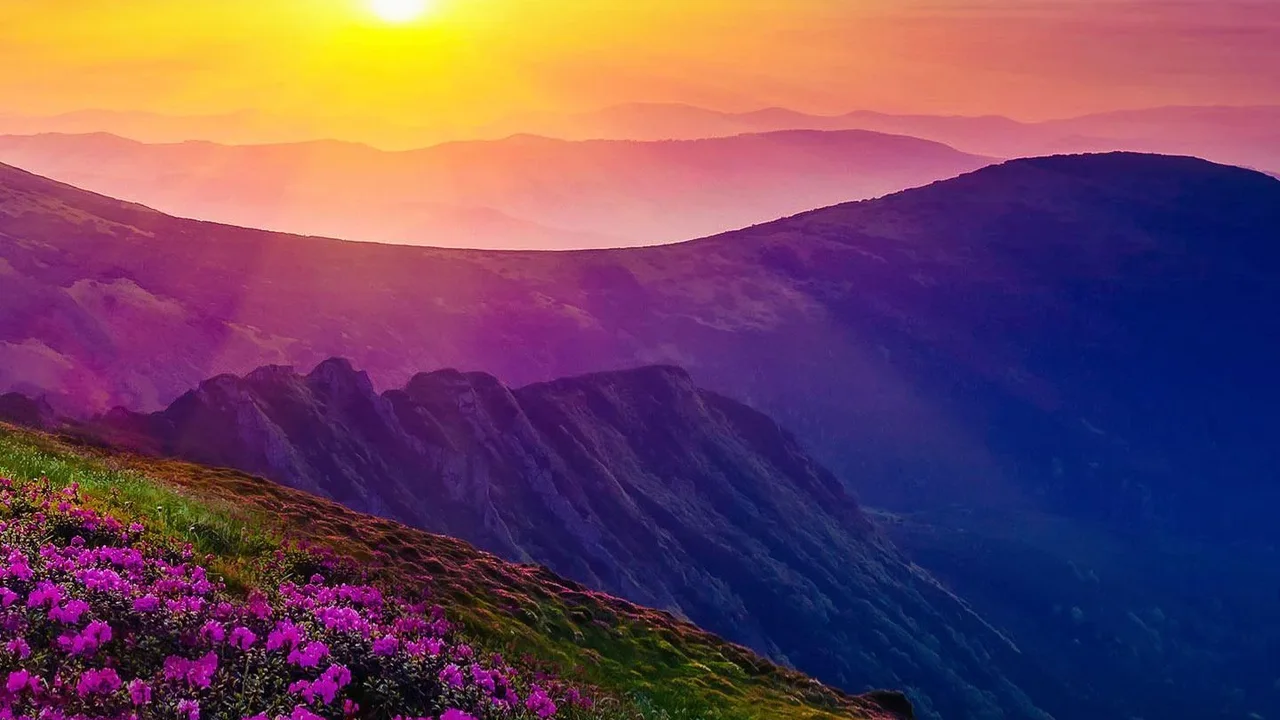
the local name for the flower. This isn't just any flower; it’s what’s known as a monocarpic plant, which means it flowers only once in its lifetime, produces seeds, and then dies. This unique and dramatic life cycle is what makes its appearance so rare and celebrated. Found at elevations between 1,300 and 2,400 metres, its bloom transforms entire mountainsides into a sea of vibrant colour, a phenomenon that has even given the Nilgiri Mountains (meaning 'Blue Mountains') their name.
The Magic of the 12-Year Cycle
The most fascinating aspect of Neelakurinji is its synchronised mass blooming, which occurs on a strict 12-year schedule. This long interval is believed to be an evolutionary survival strategy, a phenomenon known as masting. By flowering all at once in such large numbers, the plants overwhelm predators and ensure that enough seeds survive to produce the next generation. For local tribal communities like the Paliyan people of Tamil Nadu, this 12-year cycle has traditionally been used to calculate their age and mark the passing of generations, making the flower a living calendar and a deep part of their cultural heritage. After flowering between August and October, the plants wither, leaving behind seeds that will lie dormant for more than a decade before carpeting the hills once more.
Why the 2026 Bloom is Special
While the most famous Neelakurinji bloom occurs in Eravikulam National Park, with its last event in 2018 and the next expected in 2030, different populations of the flower follow slightly different 12-year cycles. The 2026 bloom is significant because it's happening in another part of the Munnar region, specifically around the Chokramudi and Mattupetty–Korandakkad hills. This specific population last flowered in 2014, making 2026 its scheduled return. This offers a rare opportunity for nature lovers and travellers who may have missed the 2018 bloom to witness the spectacle without waiting until 2030. According to local officials and tourism guides, the bloom began in late August 2026 and is expected to reach its peak in September and October, drawing visitors from across the world.
An Ecological and Cultural Treasure
Beyond its stunning beauty, the Neelakurinji plays a vital role in the ecosystem. The mass flowering provides an abundance of nectar for bees and other pollinators, supporting local biodiversity. The presence of these flowers is considered an indicator of a healthy shola grassland ecosystem. However, this delicate habitat is under threat from tea plantations, urban expansion, and climate change, which has led to the Neelakurinji being classified as a 'Vulnerable' species by the IUCN. Its rarity and ecological importance make its conservation crucial. For those who visit, it’s not just about seeing a pretty flower; it’s about witnessing a fragile, beautiful, and ancient natural rhythm that connects the land, its wildlife, and its people.