



What the New Visa-Free Rule Means
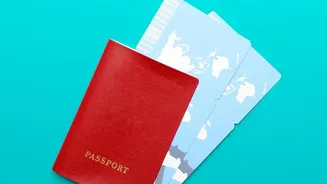
In a significant move to boost tourism and cultural ties, Uzbekistan will now allow Indian passport holders to enter the country without a visa for a period of up to 30 days. The announcement was made by Uzbek President Shavkat Mirziyoyev during a state
visit by Indian Prime Minister Narendra Modi. This new policy removes the previous requirement for most Indian travellers to apply for an e-visa or a traditional sticker visa before their trip, making spontaneous and planned travel much simpler. While the rule simplifies entry, travellers should still ensure their passport has at least six months of validity from their date of entry and may be asked to show proof of onward or return travel. This development is part of a broader effort to strengthen the relationship between the two nations, which share deep historical connections.
Why Uzbekistan Should Be on Your List
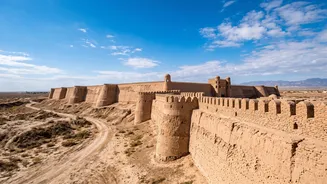
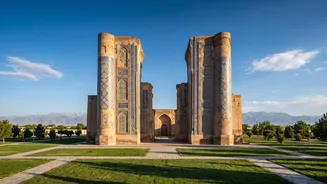
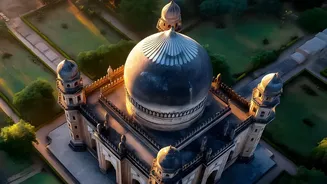
For Indian travellers, Uzbekistan offers a unique blend of familiar culture and mesmerizing history. The country was a central hub on the ancient Silk Road, and its cities are living museums of Islamic architecture, echoing the grandeur of Mughal and Persian design. Imagine walking through squares and mausoleums that have stood for centuries, witnessing the legacy of conquerors like Amir Temur (Tamerlane) and scholars who shaped the world. The country is renowned for its hospitality, safety, and affordability, making it an accessible alternative to popular European heritage destinations. From the intricate blue-tiled mosques to the bustling bazaars, the experience is both visually stunning and culturally enriching.
The Golden Triangle: Samarkand, Bukhara, and Khiva
A trip to Uzbekistan is incomplete without visiting its three most iconic cities. Samarkand, the jewel of the Silk Road, is home to the majestic Registan Square, a breathtaking ensemble of three grand madrasas. Bukhara’s old city, a UNESCO World Heritage site, is a labyrinth of narrow alleys, ancient mosques, and covered markets that feel frozen in time. Its famous Kalyan Minaret, once known as the 'Tower of Death', dominates the skyline. Khiva offers the incredible experience of Itchan Kala, a completely walled inner city that feels like an open-air museum, especially at sunset when the turquoise tiles of its minarets glow in the fading light. High-speed trains connect these cities, making the journey between them comfortable and efficient.
A Taste of the Silk Road
Uzbek cuisine is a delicious reflection of its cultural crossroads. The national dish, Plov, is a hearty and flavourful rice pilaf cooked with meat, carrots, and onions, which will feel familiar to the Indian palate. Another staple is Samsa, a baked pastry filled with meat or pumpkin, similar to an Indian samosa. You can also enjoy succulent grilled meats known as Shashlik and handmade noodles called Laghman. The Chorsu Bazaar in the capital city of Tashkent is a sensory overload, where you can sample fresh produce, dried fruits, nuts, and local breads while immersing yourself in the daily life of the city.
Practical Tips for Your Trip
The best times to visit Uzbekistan are during the spring (April-May) and autumn (September-October) when the weather is pleasant for sightseeing. While the new rule is visa-free, always carry copies of your passport and keep digital backups. The local currency is the Uzbekistani Som (UZS), and it is advisable to carry cash, as credit card acceptance can be limited outside of major hotels in Tashkent. For local transport, app-based taxis are available and reliable in big cities. While Uzbek is the official language, Russian is also widely spoken, and English is becoming more common in tourist areas. Dressing modestly, especially when visiting mosques and religious sites, is recommended.