




A vegetarian diet is a cornerstone of many Indian households. But are your daily meals delivering enough protein and fibre? These two nutrients are crucial for energy, muscle health, and good digestion, and getting enough is easier than you think.
Why Protein and Fibre Are Power Players
Protein
and fibre are the unsung heroes of a balanced meal. Protein is essential for building and repairing everything from muscles to hair and nails; it also helps keep you feeling full and satisfied. A sedentary adult needs around 0.8 grams of protein per kilogram of body weight daily. Fibre, on the other hand, is crucial for a healthy digestive system. It aids in regular bowel movements, helps control blood sugar levels, and feeds the good bacteria in your gut. A diet rich in both can lead to better energy levels, improved weight management, and overall wellness. The concern for many vegetarians isn't that their diet lacks these nutrients, but that meals have become dominated by refined carbohydrates instead of the whole foods that traditionally supplied them.
Finding Protein in Your Pantry
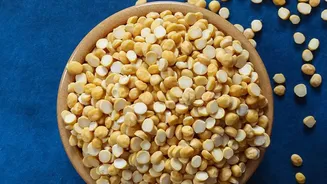
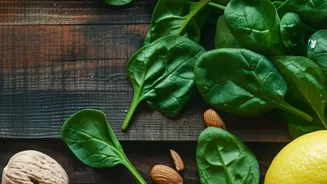
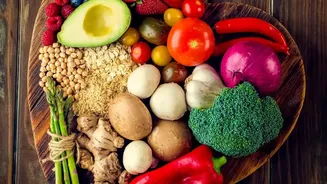
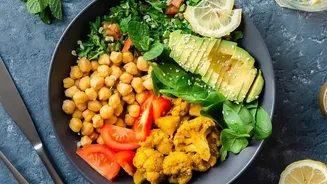
The Indian vegetarian kitchen is already stocked with excellent protein sources. You don't need expensive supplements to meet your daily goal. Lentils (dals), chickpeas (chana), and kidney beans (rajma) are staples for a reason, with a single cooked cup providing between 15 to 18 grams of protein. Dairy products like paneer and Greek yoghurt (hung curd) are also powerhouses; 100g of paneer contains about 18g of protein. Soy products are another fantastic option, with tofu offering around 10g of protein per 100g and soybeans themselves being one of the few complete plant proteins. Even nuts and seeds like almonds and pumpkin seeds are great for boosting protein intake, especially as snacks.
The Smart Science of Food Pairing
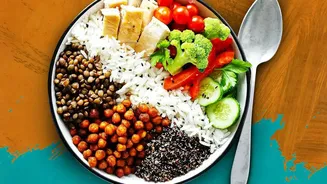
Have you ever wondered why meals like dal-chawal or rajma-roti feel so complete? It's a concept called protein complementation. Most plant-based foods are 'incomplete' proteins, meaning they are low in one or more of the nine essential amino acids our bodies can't make. Grains like rice and wheat are typically low in an amino acid called lysine, while legumes like dal and rajma are low in methionine. When you eat them together, they complete each other, creating a full amino acid profile. This principle is the foundation of many traditional Indian meals, including idli (made from rice and urad dal) and khichdi (rice and moong dal). You don't necessarily need to eat them in the same meal; consuming them over the course of a day works just as well.
Filling Up on Fibre
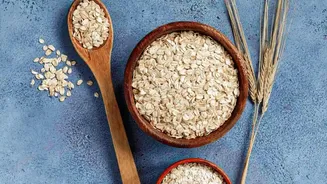
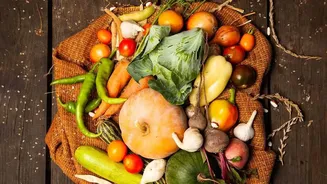
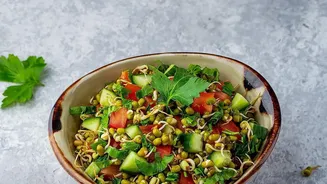
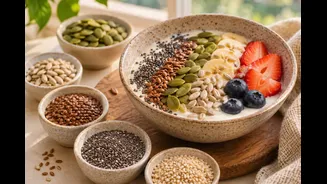
Fibre is abundant in the vegetarian diet if you know where to look. Whole grains are a primary source; swapping refined flour (maida) for whole wheat flour (atta) for your rotis significantly increases fibre. Millets such as jowar, bajra, and ragi are also excellent choices. Legumes are double-duty foods, providing both protein and fibre. A bowl of chole or rajma is packed with it. Don't forget fruits and vegetables. Guava, apples, papayas, leafy greens, peas, and beans are all high-fibre options that are easy to incorporate into your daily meals and snacks. Nuts and seeds like flaxseeds and chia seeds can also be sprinkled over dishes to add an extra fibrous crunch.
A Sample Day of Balanced Eating
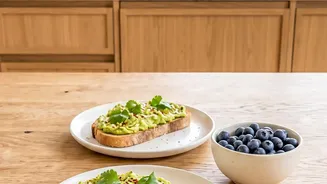
Putting it all together is simple. Start your day with two moong dal chillas and a bowl of curd for a protein-packed breakfast. For lunch, a traditional thali of dal, roti, a vegetable sabzi, and a side of salad provides a balanced mix of protein, fibre, and other nutrients. A handful of roasted chana or a piece of fruit can serve as a perfect mid-day snack. For dinner, consider a paneer or tofu curry with a couple of rotis. This simple structure ensures you are spreading your protein and fibre intake throughout the day, which helps your body absorb and use these nutrients more effectively.