





Why Rust is More Than a Blemish
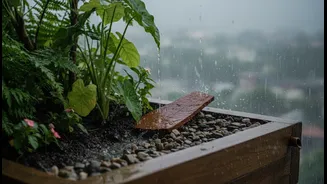
In a country with high humidity and a long monsoon season, rust is a persistent foe for any metal object kept outdoors or on a balcony. For a plant shelf, rust is not just an aesthetic issue. Those orange-brown patches are a sign of corrosion, a process
that actively weakens the metal. A screw that has rusted can lose its structural integrity, compromising the entire shelf and putting your precious plants at risk. Furthermore, as you water your plants, the runoff can carry rust particles, leaving stubborn stains on your floors, walls, and balcony tiles. Regular inspection of joints and corners, especially after heavy rain, is crucial to catch rust before it spreads.
Choosing Your Armour: Rust-Resistant Fixings
The hardware you use to assemble and secure your plant shelf is your first line of defence against corrosion. Standard steel screws are not designed for outdoor use and will quickly succumb to moisture. For Indian conditions, especially in coastal or high-humidity areas, stainless steel is an excellent choice. Look for grade 304 or 305 stainless steel for general outdoor use, as it offers great corrosion resistance. For coastal areas with salt in the air, marine-grade 316 stainless steel provides the best protection. Galvanized steel, which is coated in a layer of zinc, is a more budget-friendly alternative that offers good rust prevention for many outdoor applications. However, this zinc coating can wear off over time, so for long-term durability, stainless steel is often the superior investment.
The Foundation of a Flourishing Display
A beautiful plant display can quickly become a hazard if the shelf is unstable. Stability is the most important factor to consider when choosing or placing a plant stand. A wobbly shelf is an accident waiting to happen, especially if you have children or pets. The key to a stable footprint is a wide and sturdy base. When selecting a tiered shelf, always place your heaviest pots on the bottom shelf to lower the centre of gravity. This simple step drastically reduces the risk of the unit tipping over. Ensure the shelf is placed on level ground. If your balcony floor has a slight slope for drainage, you may need to place shims under the feet to make it level. Avoid overloading shelves, as wet soil is deceptively heavy.
Securing Your Shelf: Wall and Balcony Safety
For taller, top-heavy shelves, simply relying on a stable base may not be enough. Securing the shelf to a wall is the best way to prevent it from tipping forward. Most good quality tall bookshelves and shelving units come with anti-tip kits, which consist of brackets and straps to anchor them to the wall. These are essential for safety. On a balcony, where drilling into walls may not be an option, positioning is key. Place the stand against a solid wall or in a corner to provide extra support and shield it from wind. Never place a tall, freestanding shelf right at the edge of a balcony. A strong gust of wind could be enough to topple it. Grouping pots together can also increase overall stability.
Maintenance for a Long and Stable Life
Your work isn't done once the shelf is in place. Regular maintenance will add years to its life. Periodically check that all screws and bolts are tight. After heavy rains, it's a good practice to wipe down metal frames to prevent water from sitting on them. Inspect for any chips or scratches in the paint or coating, as these are entry points for rust. Touching up these small spots with a rust-resistant paint immediately can prevent the corrosion from spreading. Also, check the stability of the shelf itself. If it feels wobbly, investigate the cause immediately. It could be an uneven load, a loose screw, or an issue with the flooring beneath.