

Why Pulses Beat Powders
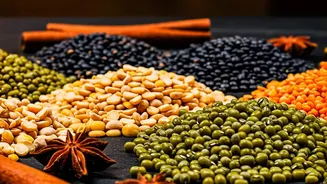
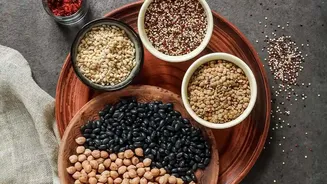
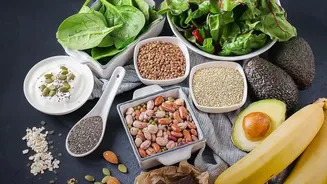
Protein powders can be convenient, but they are also highly processed and can be expensive. Pulses, which are the dried edible seeds of legume plants like lentils, chickpeas, and beans, offer a whole-food alternative. They are not only rich in protein
but also come loaded with dietary fibre, which aids digestion and promotes a feeling of fullness. Furthermore, pulses are packed with essential micronutrients like iron, folate, potassium, and magnesium, offering a more complete nutritional package than isolated protein. Opting for pulses is a cost-effective and sustainable way to meet your protein goals while nourishing your body with a spectrum of nutrients.
Power Up Your Breakfast
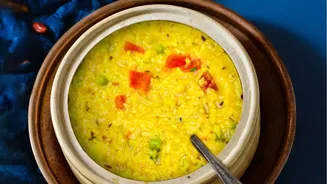
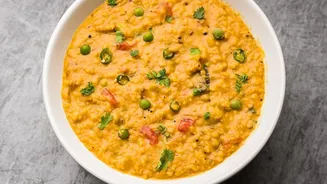
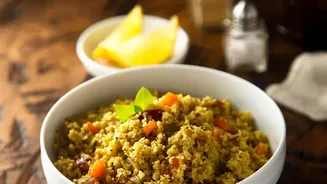
Starting your day with protein helps stabilize blood sugar and keeps you energised. While you may not think of dal for breakfast, many traditional Indian dishes are perfect for this. A savoury besan (chickpea flour) chilla or a wholesome moong dal cheela provides a fantastic protein boost. You can also add sprouted mung beans to your poha or upma. For a quicker option, consider a savoury smoothie with a handful of boiled chickpeas or whip up some hummus to spread on whole-wheat toast. Even leftover dal from the night before, paired with a simple roti, makes for a balanced and protein-rich start to your day.
Reinvent Your Lunch and Dinner
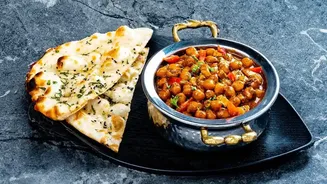
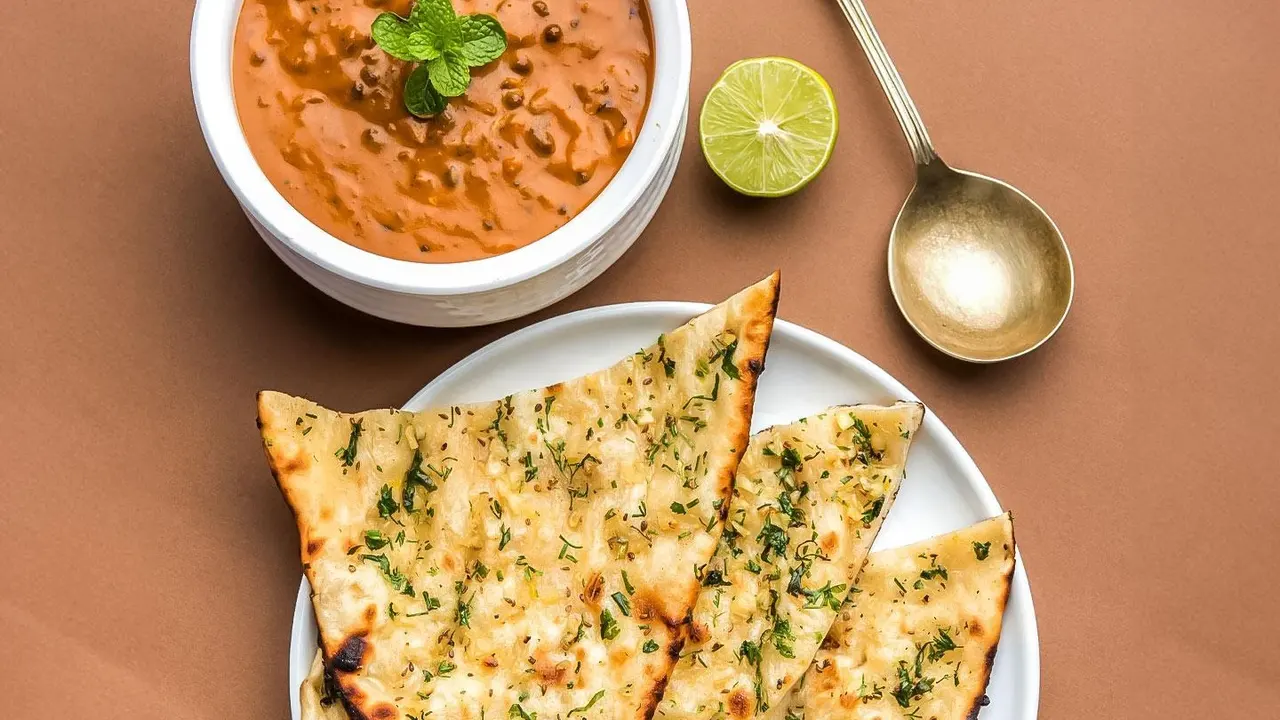
This is where pulses truly shine. The easiest way to increase your intake is to add them to dishes you already make. Stir a can of chickpeas or kidney beans into your favourite sabzi, curry, or salad. You can also use lentils to thicken soups and stews, adding both texture and a significant protein punch. Instead of relying solely on paneer or meat, try making patties or ‘meatballs’ from mashed rajma (kidney beans) or black lentils. Dals are a cornerstone of Indian cuisine for a reason; staples like chana masala, rajma chawal, and dal makhani are not only delicious but are built around the power of pulses.
Snack Smarter with Pulses
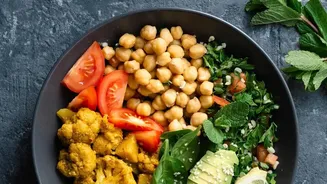
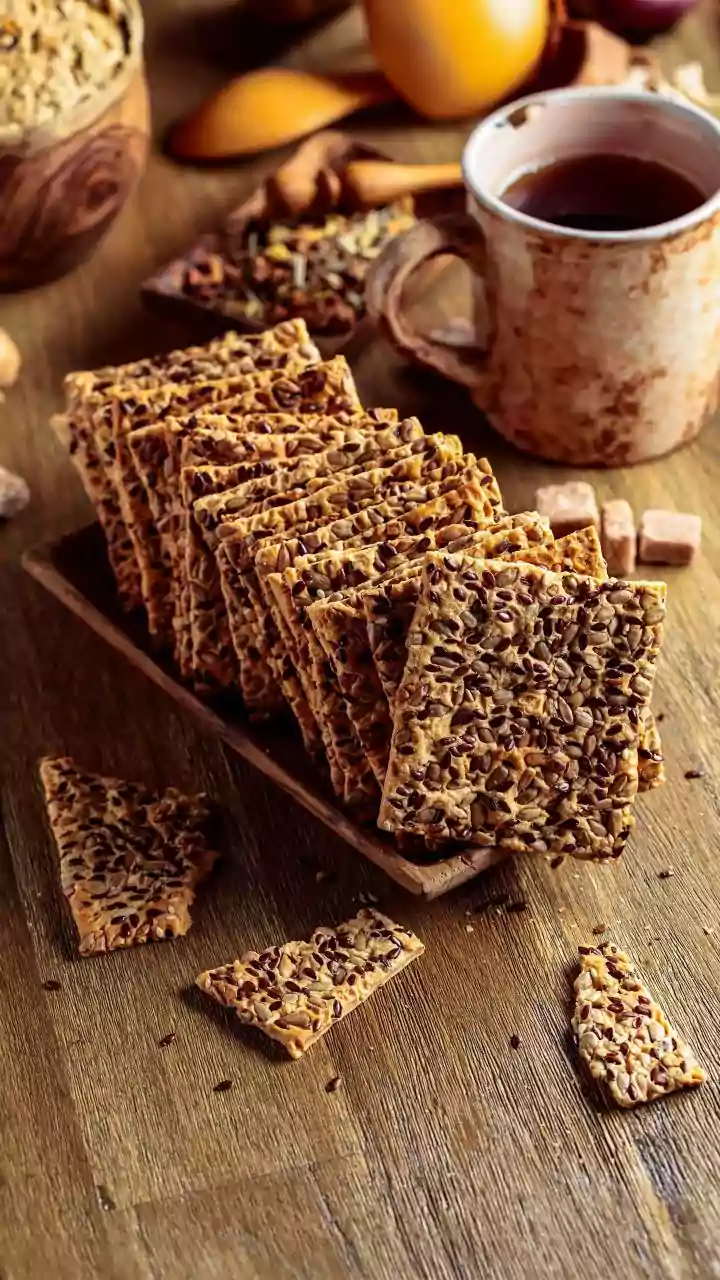
Reaching for a protein-rich snack can prevent afternoon energy slumps. Roasted chickpeas, tossed with a bit of oil and your favourite spices, are a crunchy and satisfying alternative to chips. Hummus, made from chickpeas, is a classic dip that pairs perfectly with vegetable sticks or whole-grain crackers. You can also make dips from other beans, like white beans blended with garlic and herbs. A small bowl of sundal (a South Indian dish of steamed and seasoned chickpeas or other pulses) or a simple chaat made with boiled beans, onions, and tomatoes are other excellent and flavourful snacking options.
The Secret to Complete Protein
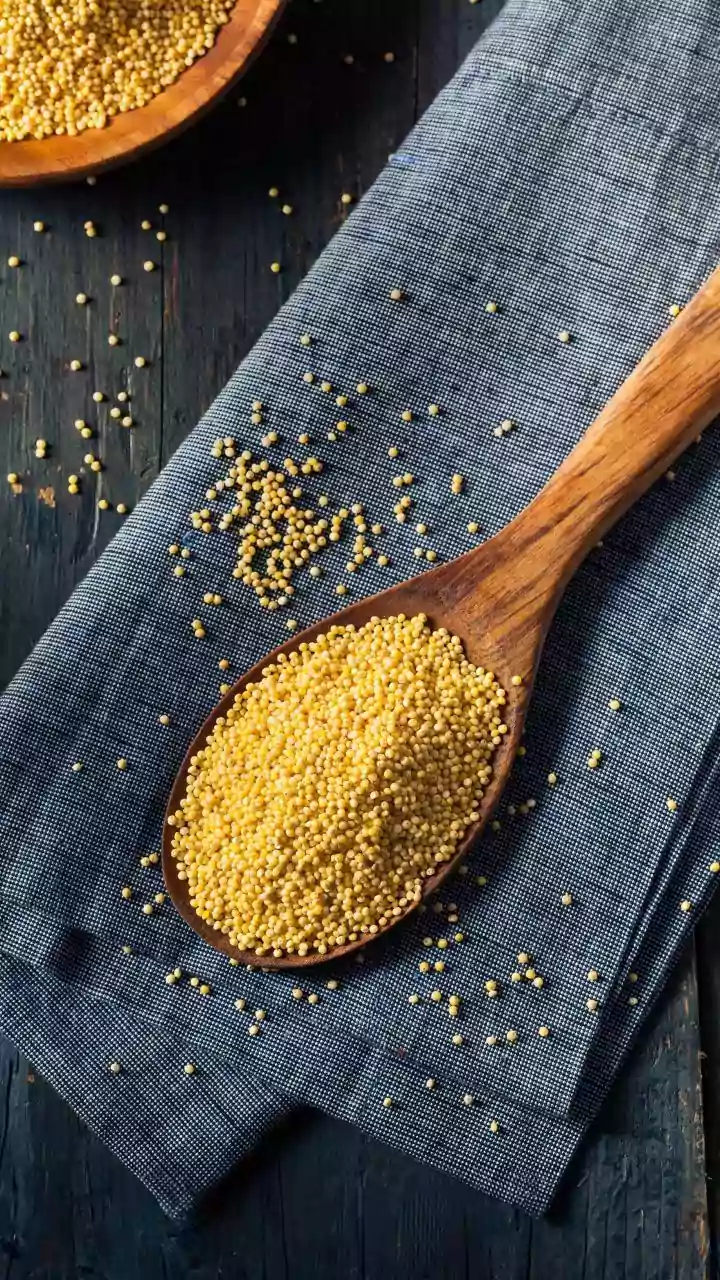
You may have heard that most plant proteins are 'incomplete,' meaning they lack one or more essential amino acids. While pulses are slightly low in one amino acid (methionine), grains like rice, wheat, and millets are rich in it. This is why traditional Indian meals that pair dals with rice or roti are not just a culinary habit but a nutritional masterstroke. By combining pulses and grains over the course of the day, your body gets all the essential amino acids it needs to build and repair tissues, making it a complete protein source without needing to be an expert.