


Venus Takes Centre Stage
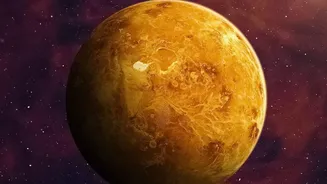
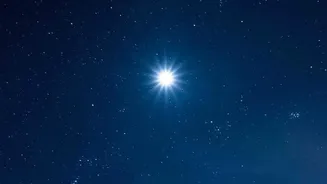
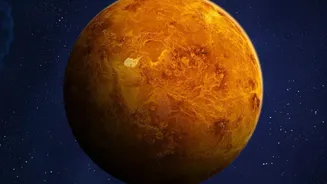
If you’ve glanced west after sunset recently, you’ve likely noticed a dazzling, steady point of light outshining everything else. That’s Venus, often called the 'Evening Star'. On August 15, 2026, this celestial neighbour reaches a special point in its
orbit called its greatest eastern elongation. This isn't a rare, once-in-a-lifetime event, but it is the perfect time to observe the planet. Think of Earth and Venus as two runners on a circular track around the Sun, with Venus on the inner lane. Greatest elongation is the moment when, from our perspective on Earth, Venus is at its farthest angular distance from the Sun. This separation means Venus lingers in the sky long after the Sun has set, shining brightly against a darker backdrop instead of being lost in the twilight’s glare.
Your Guide to the Celestial Show
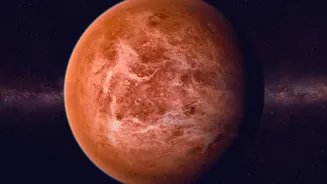
The best part is that you don't need any special equipment to see Venus. It will be the brightest object in the western evening sky, impossible to miss. For viewers in India, simply look towards the west in the hour or so after sunset. The planet will be bright enough to spot even while the sky still holds some colour. For an added treat, a lovely crescent Moon will be visible near Venus on the same evening, creating a beautiful pairing in the twilight sky. While a telescope isn't necessary, if you have one, you’ll be able to see that Venus is not a simple dot. On this date, it will appear as a tiny, half-lit disc, similar to a quarter moon. This happens because as Venus orbits the sun, we see different amounts of its sunlit side, just like our own Moon's phases.
More Wonders in the August Sky
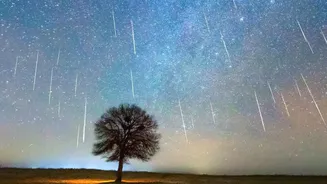
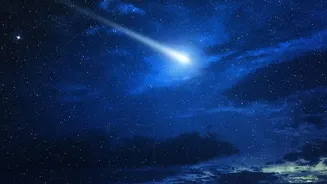
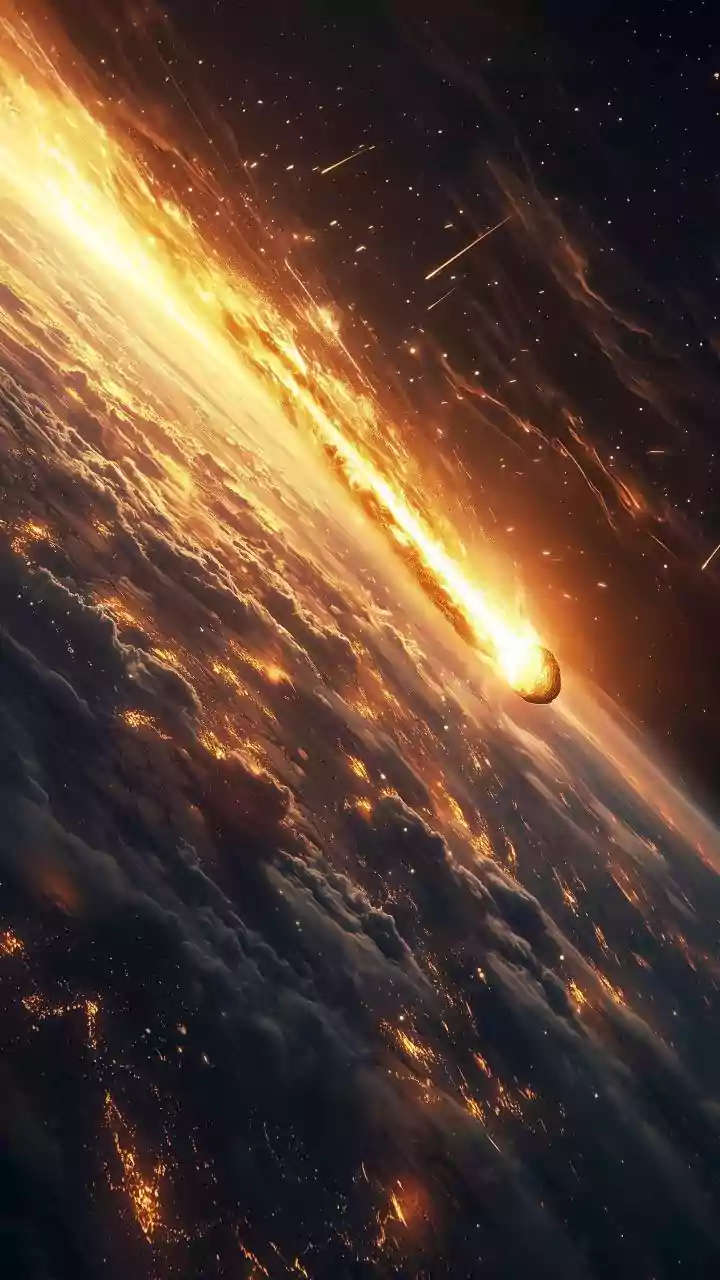
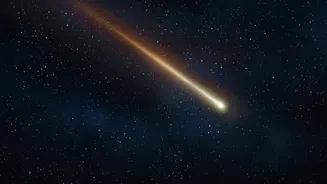
Venus may be the headliner, but it's not the only performer in August's celestial show. The famous Perseid meteor shower is also set to peak on the nights of August 12 and 13. Caused by debris from Comet Swift-Tuttle, the Perseids are known for producing bright, colourful meteors, with rates that can exceed 50 per hour in a dark location. The 2026 shower is especially promising because the peak coincides with a new moon, meaning moonlight won't wash out the fainter 'shooting stars'. For viewers in India, the best time to watch will be in the pre-dawn hours of August 12 and 13, between 2:00 AM and 4:30 AM IST, though the monsoon season might mean clouds are a factor. Beyond the Perseids, patient observers can also spot other planets. Saturn will be visible in the morning, while reddish Mars also makes a pre-dawn appearance.
Tips for Perfect Skywatching
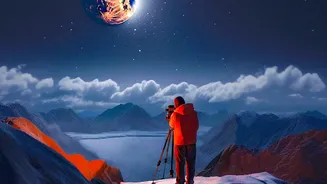
To make the most of these August nights, a little preparation goes a long way. First, try to get away from city lights. Light pollution can dramatically reduce the number of stars and meteors you can see. Find a spot with a clear, unobstructed view of the sky, especially the western horizon for Venus and the eastern sky for the pre-dawn planets. Second, give your eyes time to adjust. It takes about 20-30 minutes for your eyes to become fully adapted to the dark, which will allow you to see much more detail. Avoid looking at your bright phone screen. While you don’t need a telescope for Venus or the Perseids, a pair of binoculars can enhance the view, helping you spot the crescent phase of Venus or even the faint trails left by larger meteors.