






Introducing the High-Speed Rail Corridor
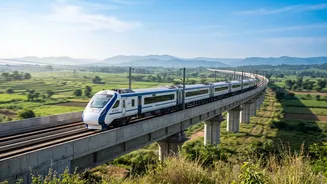
The new connection is the proposed Delhi-Varanasi High-Speed Rail Corridor, a major 'bullet train' project that will stretch approximately 865 kilometres. With trains designed to operate at speeds of up to 320 km/h, the journey time is expected to plummet
to just under four hours—a massive improvement on the current 8-10 hours taken by even the fastest conventional trains. This project is one of seven new high-speed corridors announced in the Union Budget 2026-27, signalling a significant push towards modernising India's rail network. Managed by the National High Speed Rail Corporation Limited (NHSRCL), it is poised to become the country's second major bullet train project after the Mumbai-Ahmedabad line.
Current Status and Projected Timeline
As of late 2026, the Delhi-Varanasi corridor is in an advanced pre-construction phase. The Detailed Project Report (DPR) has been submitted, and extensive survey work, including aerial LiDAR surveys to finalise the alignment, has been completed. The project is now moving towards the next crucial steps, which include land acquisition, expected to commence in late 2026 or 2027. While no official completion date has been set, and major construction is yet to begin, infrastructure projects of this magnitude are long-term endeavours. Based on current progress and learnings from other projects, the corridor is anticipated to be operational around 2031-2033.
The Route and Its Key Stops
The proposed route will be a vital artery through Uttar Pradesh, connecting several key economic, religious, and population centres. The corridor will feature 12 to 13 stations, starting from Sarai Kale Khan in Delhi. Key proposed stops include Noida, the upcoming Noida International Airport at Jewar, Agra, Lucknow, Prayagraj, and finally, Varanasi. This alignment is strategic, designed not only to connect the two endpoints but also to integrate major hubs along the way. For instance, the travel time between Delhi and Lucknow is expected to be cut to just over two hours. Additionally, a spur line connecting Lucknow to Ayodhya is also being considered to further boost religious tourism.
More Than Just a Faster Journey
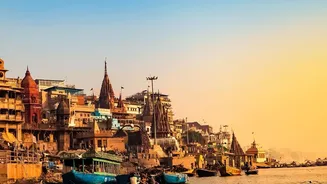
The impact of this high-speed corridor extends far beyond just reducing travel time. By providing a fast, reliable, and modern mode of transport, the project is expected to deliver a significant economic boost to the entire region. It will enhance tourism, not just to the spiritual hub of Varanasi but also to other destinations like Agra, Mathura, Prayagraj, and Ayodhya. The seamless connectivity will facilitate business travel, encourage the movement of talent, and foster development along the entire economic belt. Furthermore, the project represents a leap in passenger experience, promising safer, more comfortable, and environmentally sustainable travel compared to existing options.
What This Means for Travellers
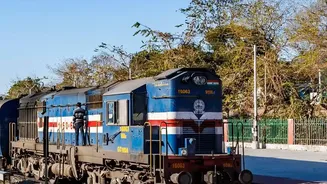
For the millions who travel between Delhi and Varanasi annually for pilgrimage, business, or leisure, this project is a game-changer. The current options involve long overnight train journeys, expensive flights with added airport transit time, or lengthy road trips. The Vande Bharat Express, the fastest train at present, still takes over eight hours. The bullet train will make a day trip feasible, allowing for greater flexibility and convenience. While official fares have not been announced, initial estimates suggest they could be around 1.5 times the cost of an Executive Class ticket on a conventional train, offering a premium service for a fraction of the time.