
The Core Philosophy: Control vs. Celebration
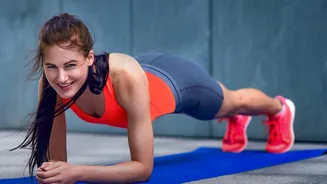
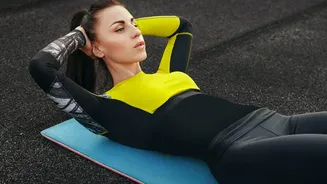
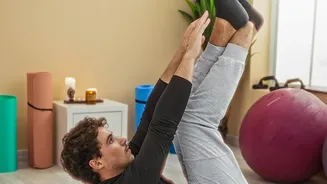
At its heart, Pilates is a discipline of control. Developed by Joseph Pilates, it is a method of exercise that consists of low-impact flexibility and muscular strength and endurance movements. The focus is on precision, concentration, and engaging the
deep core muscles, often called the 'powerhouse'. It's a mindful practice where every movement is deliberate, designed to improve body awareness, alignment, and posture. In contrast, Zumba's philosophy is pure celebration. It’s a fitness program that combines Latin and international music with dance moves. The tagline “Step into Happy” captures its essence: exercise that feels like a dance party. It prioritizes fun and high energy over perfect form, making it an inviting option for those who might find traditional workouts intimidating.
The Workout Vibe: Focused Calm vs. High-Energy Party
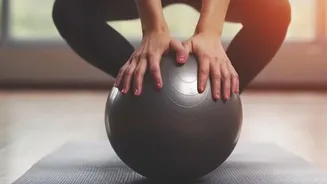
A typical Pilates class is a study in focus. Whether on a mat or a specialized machine like the Reformer, the atmosphere is generally calm and concentrated. Instructors guide you through slow, controlled movements, emphasizing proper form and breathwork. It’s about quality of movement over quantity. A Zumba class is the polar opposite. Expect a room filled with upbeat, infectious music from styles like salsa, merengue, and reggaeton. The instructor leads a high-energy, choreographed routine, but the vibe is forgiving; the goal is to keep moving and have fun, not to execute every step perfectly. It’s a social, exhilarating experience designed to make you sweat with a smile.
Physical Payoff: Deep Strength and Stability
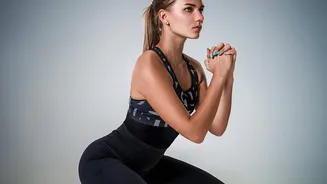
Pilates is renowned for building deep, functional strength. It targets the stabilizing muscles of your core, lower back, hips, and glutes. This comprehensive core engagement improves posture, enhances balance, and can reduce the risk of injury by creating a stable foundation for all other movements. While it's a low-impact workout, gentle on the joints, it is highly effective for toning muscles and creating a long, lean appearance rather than bulk. Over time, this results in better body mechanics and a heightened awareness of how you move through daily life.
Physical Payoff: Cardiovascular Health and Calorie Burn
Zumba is, first and foremost, a powerful cardiovascular workout. The class structure alternates between high- and low-intensity dance sequences, which functions as a form of interval training. This is highly effective for improving heart health, boosting stamina, and burning a significant number of calories. Studies have shown that a typical Zumba class can burn more calories than cardio kickboxing or step aerobics in the same amount of time. While some Zumba variations incorporate light weights for toning, the primary benefit is aerobic. Regular participation can help with weight management and lower the risk of heart disease.
Who Is It For?
So, which one should you choose? Opt for Pilates if your goals are to build deep core strength, improve your posture, increase flexibility, and develop better body awareness. It is an excellent choice for those seeking a low-impact workout, rehabilitating from certain injuries, or wanting to build a strong, stable foundation to support other athletic activities. Turn to Zumba if your main goal is cardiovascular fitness, weight loss, or simply finding a workout that feels joyful and less like a chore. If you love music and dancing and thrive in a high-energy, social group setting, Zumba will likely be a great fit. It is highly adaptable for various fitness levels, with the focus on movement rather than mastery.