




The Perfect Canvas: Al Dente Pasta
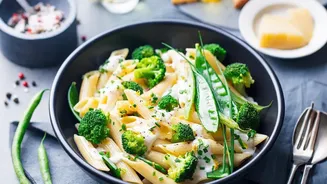
The foundation of this dish isn't the sauce, but what the sauce clings to. Cooking pasta 'al dente', which is Italian for 'to the tooth', is crucial. This means cooking it until it's tender but still has a firm, satisfying bite in the centre. Overcooked,
mushy pasta won't just taste disappointing; it won't hold the sauce properly. Al dente pasta has a starchy, slightly rougher surface that gives the creamy sauce something to grab onto, ensuring every single bite is flavourful. More importantly, finishing the cooking process in the pan with the sauce allows the pasta to absorb flavour and release starch, which is key to the texture of the final dish.
The Aromatic Soul: Sweet, Gentle Garlic
Garlic is the aromatic heart of this sauce, but its preparation is everything. The goal is a sweet, nutty fragrance, not the harsh, bitter flavour that comes from burning it. By cooking minced garlic gently in a fat like butter or olive oil over medium heat, you coax out its complex sweetness. This slow and gentle cooking allows the natural sugars in the garlic to caramelize slightly without acridness. For an even milder flavour, some chefs even blanch garlic cloves before pureeing them. This taming of the garlic transforms it from a sharp, pungent ingredient into a warm, foundational flavour that infuses the entire sauce with its soul.
The Liquid Gold: Starchy Pasta Water
The unsung hero of countless Italian dishes is the cloudy, salty water left behind after boiling your pasta. This 'liquid gold' is packed with starch released from the pasta as it cooks. When you add a splash of this water to your sauce, something amazing happens. The starch acts as a natural emulsifier, helping the fat from the cream and the water-based elements bind together. This prevents the sauce from becoming greasy or separated, transforming it into a cohesive, glossy, and velvety coating that perfectly cloaks each noodle. Without it, you'd risk a broken sauce that pools at the bottom of your plate.
The Luxurious Body: The Role of Cream
Heavy cream provides the luxurious, velvety body of the sauce. Its high fat content is essential for a few reasons. First, fat is a brilliant carrier of flavour. It captures the aromatic compounds from the garlic and distributes them throughout the sauce for a richer taste experience. Second, the fat provides a wonderful mouthfeel, creating that sense of indulgence. Using a high-fat cream (around 35-40%) is also important because it's more stable and less likely to curdle when an acid, like lemon juice, is introduced. As the cream gently simmers, it reduces slightly, concentrating its flavour and thickening to the perfect consistency.
The Bright Spark: Lemon's Finishing Touch
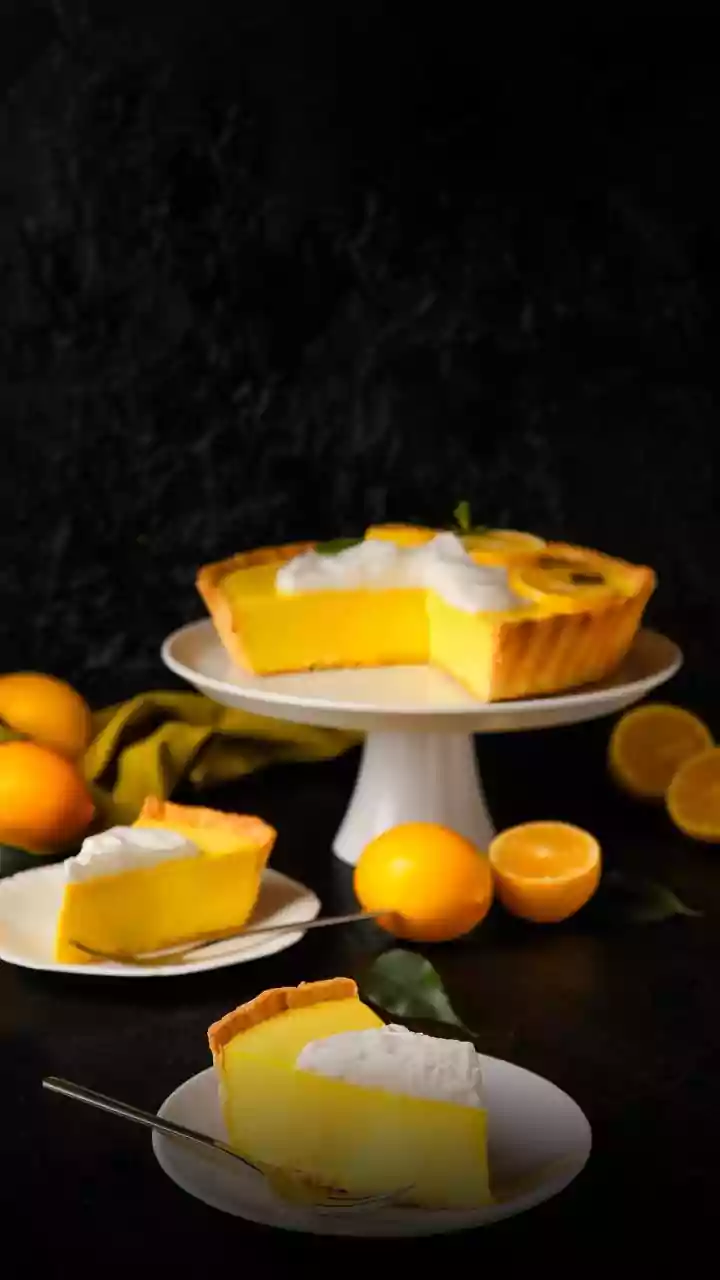
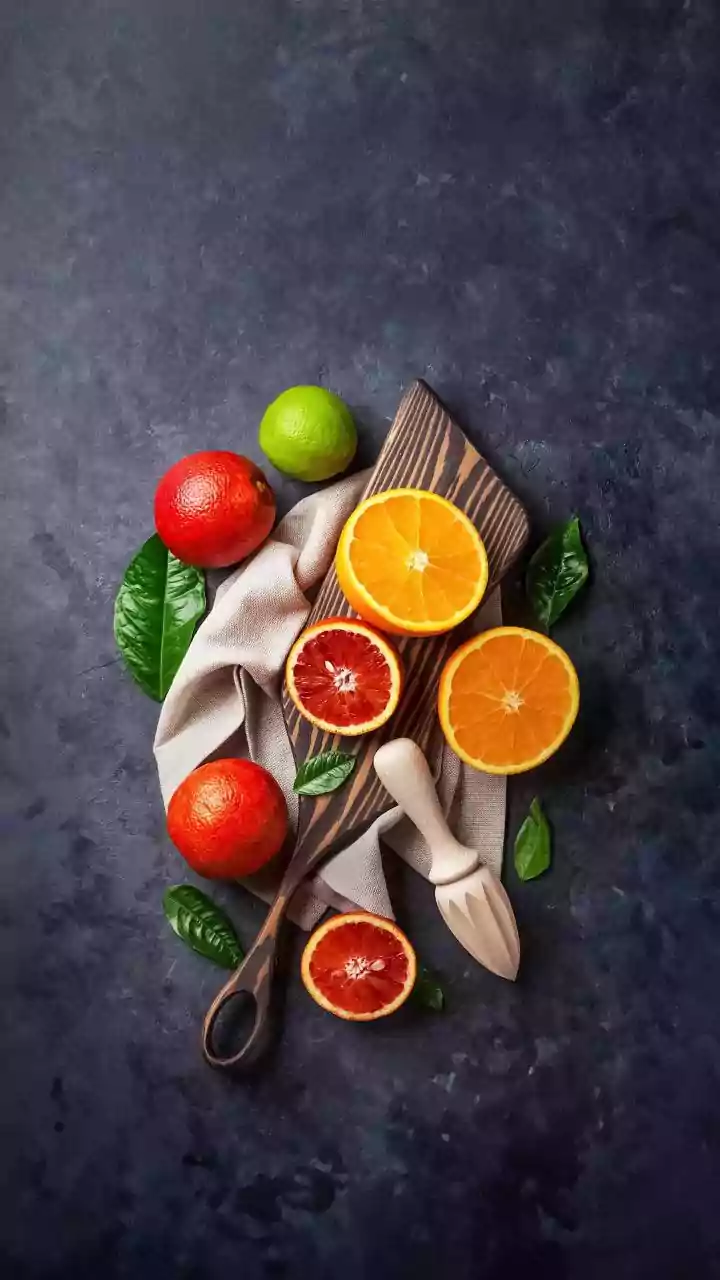
This is where the true genius of the combination lies. After building a rich, savoury, and aromatic base, the dish needs a counterpoint. A fresh squeeze of lemon juice, added at the end, provides a bright burst of acidity that cuts through the richness of the cream. This prevents the sauce from feeling heavy or one-note. The acid awakens all the other flavours, making the garlic taste more aromatic and the cream taste lighter. The acid from lemon can even interact with the proteins in the cream, helping to slightly thicken the sauce as a final touch. It's the finishing spark that balances the entire dish, transforming it from simply rich to truly 'dreamy'.