


What Exactly Is Stone Balancing?
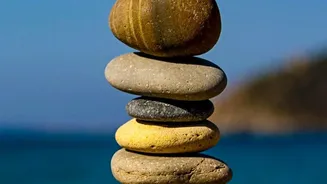
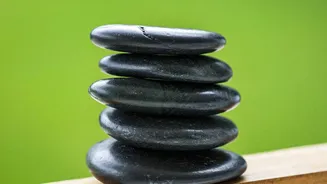
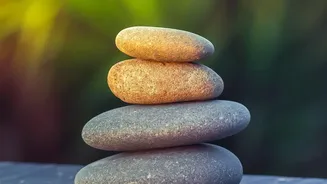
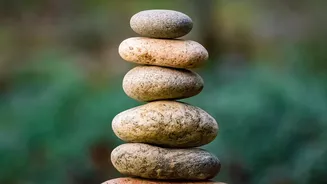
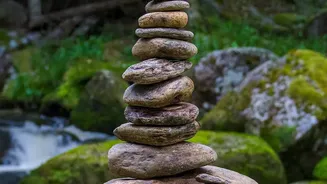
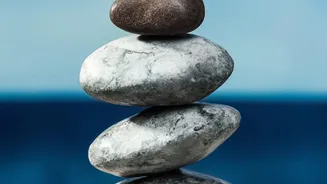
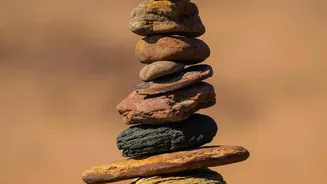
At its core, stone balancing is the art of stacking rocks in equilibrium without using any adhesives, wires, or supports. It’s a delicate dance with gravity. Unlike simple piling, where rocks rest on broad, stable surfaces, true balancing involves finding
minute contact points. Practitioners seek to place one stone upon another where they lock in place, often appearing highly improbable or even physically impossible. The goal is to create a sculpture where each rock's center of gravity is perfectly aligned, resulting in a display of stillness and tension that is both captivating and deeply calming. This practice can be a form of land art, a performance, or a personal devotion.
The Simple Physics of Stillness
While the results look magical, the principle is pure physics. Every stone has a center of gravity. The secret to balancing lies in finding at least three points of contact between two rocks. Think of it like a tiny, natural tripod. An artist feels for the small divots and imperfections on the surfaces of two stones. By gently rocking and turning a stone, they can feel where it 'wants' to settle. The moment of balance is achieved when the top rock’s center of mass is situated directly above the stable triangle formed by these contact points. It’s a process of minute adjustments and intense sensitivity, feeling for the moment when the rock stops trying to fall and finds its point of stability.
A Masterclass in Patience and Letting Go
This is where the true mental benefit of the activity shines. Balancing stones is a powerful exercise in patience. The stones will fall, often repeatedly. Each collapse isn't a failure, but a lesson. It teaches you to let go of frustration and start again. This process forces you to slow down, breathe, and remain fully present. The intense focus required means you cannot be thinking about your to-do list or the stresses of the day. Practitioners often find that if they become frustrated or try to force a balance, it simply won't work. Success only comes with a calm mind and a patient hand, making it a profound teacher in accepting impermanence and the value of the process over the outcome.
An Active Form of Mindfulness
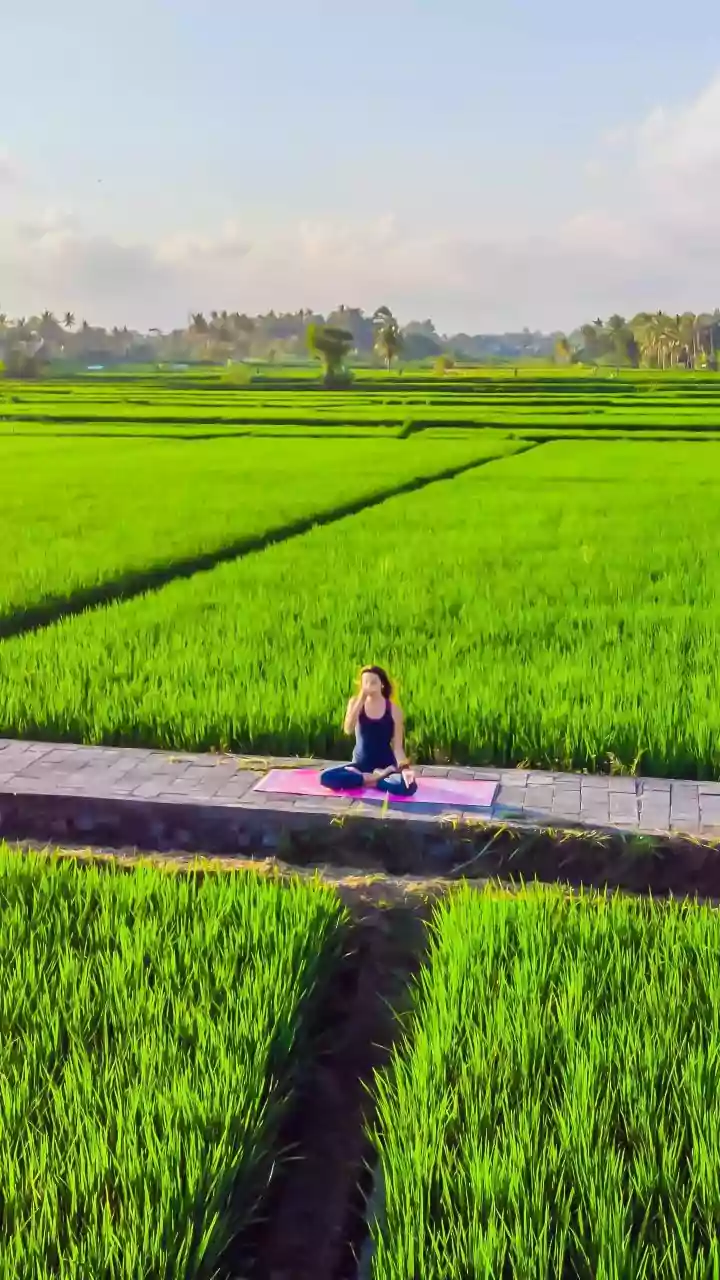
Many describe stone balancing as a form of active meditation. Similar to practices like yoga, it requires a quiet, focused mind to achieve a physical result. This intense concentration can lead to a 'flow state', where you become completely absorbed in the moment and your sense of self fades away. The act of engaging with natural elements—feeling the texture and weight of the stones and listening to the sounds of the environment—strengthens your connection to nature. It encourages mindfulness by demanding your full attention on the delicate task at hand, helping to quiet the constant chatter of the mind and reduce anxiety.
How to Begin Your Balancing Journey
The beauty of stone balancing is its accessibility. You don't need any special equipment, just a collection of rocks and a willingness to try. Start simple. Find a comfortable spot near some stones, perhaps by a riverbed or on a quiet beach. Begin by trying to balance one rock on its end on a larger, stable base. Don't aim for a tall tower immediately. Focus on feeling the small indentations and contours. Hold the rock, feel which way it wants to fall, and gently adjust against that pull. Let your fingers sense the subtle shifts in weight until you feel a point of stability. The key is to be relaxed, breathe deeply, and have fun with the process.