







A Blooming Vision for Ladakh
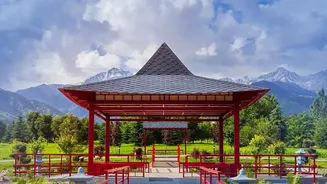
In a significant push for agricultural diversification, the Ladakh administration has launched a pioneering initiative to develop twin high-altitude flower fields. Located in Choglamsar and Stakna in the Leh district, these projects are being established
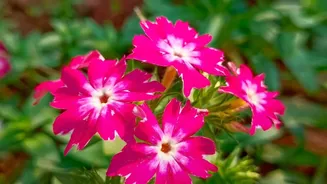
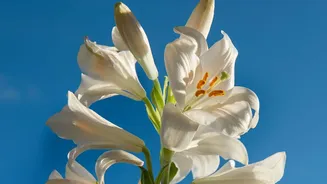
at an elevation of around 10,600 feet, making them some of the highest floriculture parks in the world. The foundation stone was laid in June 2026 by Lieutenant Governor Vinai Kumar Saxena. The Choglamsar park covers over 92,000 square metres, while the project at the University of Ladakh in Stakna spans more than 1,02,000 square metres. Together, these sites will cultivate over 2.5 million high-value flowering plants, primarily Lilium and Gladiolus, transforming around 40 acres of the rugged landscape.
More Than Just a Pretty View
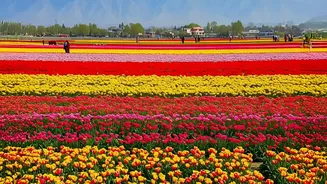
While the vibrant fields of lilies and gladioli are designed to be a major tourist attraction, their purpose extends far beyond aesthetics. The gardens, one of which at Choglamsar opened to the public in September 2026, are intended to serve as recreational and educational spaces for both residents and visitors. With a nominal entry fee, the administration aims to create new destinations that add a 'multi-hued dimension' to Ladakh's starkly beautiful scenery. Officials believe these parks will not only enhance the tourism landscape but could also become sought-after locations for film shoots, creating a synergy between agriculture and the creative economy. Lieutenant Governor Saxena has described the initiative as part of a new vision for Ladakh that combines economic growth with environmental sustainability.
Sowing Seeds of Local Opportunity
The core of the initiative is to create sustainable livelihood opportunities for Ladakh's farmers, youth, and particularly women. The project is structured as a training and demonstration model. For the first time on this scale, local farmers and members of Self-Help Groups (SHGs) are receiving structured training in scientific floriculture, modern cultivation practices, and post-harvest management. The Choglamsar park will serve as a model centre for cultivating high-demand flowers like Lilium, Gladiolus, and Tulips. Technical and scientific support is being provided by the CSIR-Institute of Himalayan Bioresource Technology (CSIR-IHBT) in Palampur, ensuring that the methods are suited to Ladakh’s unique agro-climatic conditions.
From Field to National Market
The ultimate goal is to empower local communities to take charge of a profitable new enterprise. In the initial phase, the Agriculture Department is managing the cultivation. However, the plan is to hand over the fully developed fields to farmer cooperatives and SHGs. These groups will then manage the entire commercial cycle, from cultivation and harvesting to value addition and marketing. The project has already shown promising results, with the first air shipment of 15,000 A-grade Lilium flowers flown from Leh to national markets in late September 2026. This logistical success demonstrates the viability of connecting Ladakh’s high-altitude produce with lucrative markets in metropolitan cities, where a single Lilium stem can fetch a wholesale price of ₹60-70.
A Sustainable Model for the Future
This floriculture initiative represents a strategic move to diversify Ladakh's agriculture, which is often limited by its challenging geography. By focusing on high-value crops that are naturally suited to the cold climate, the administration is opening a new, profitable alternative to traditional farming. The programme is aligned with a vision of self-reliance, aiming to strengthen local cooperatives and reduce economic dependence. As Lieutenant Governor Saxena noted, the projects are not just about growing flowers; they are about cultivating opportunities, strengthening livelihoods, and building a greener, more prosperous future for Ladakh that is in harmony with nature.