



The Abode of the Gods
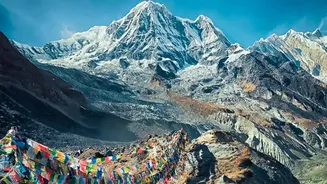
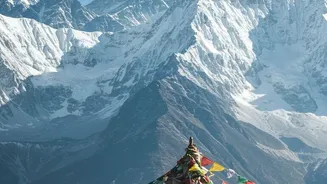
Deo Tibba, a magnificent 6,001-metre peak in Himachal Pradesh's Pir Panjal range, is more than just a mountain; it is a sacred landmark. Its name translates to "Hill of the Gods," and local mythology holds that this is where the Hindu deities assemble.
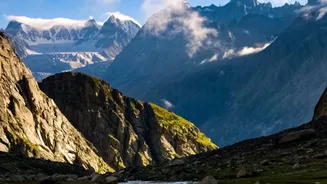
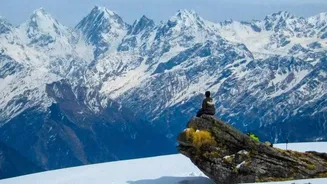
Unlike the sharp, pointed summits of its neighbours, Deo Tibba is crowned with a unique dome-shaped snow cap, which is said to be the celestial meeting ground. From the nearby Indrasan peak, the lord Indra is believed to preside over these divine gatherings. This spiritual significance gives the mountain an aura of reverence that is deeply felt by the local communities in the Kullu Valley and adds a layer of mystique for trekkers and climbers who venture into its domain.
A Journey Through Nature's Best
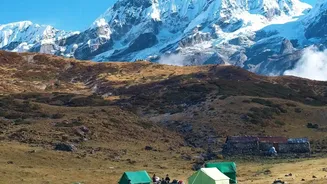
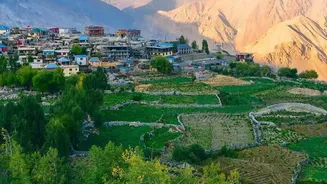
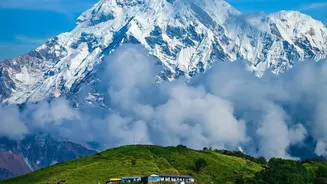
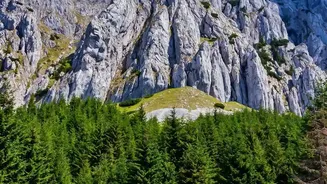
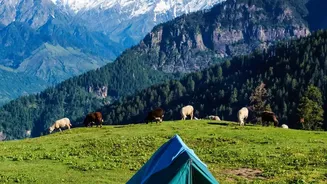
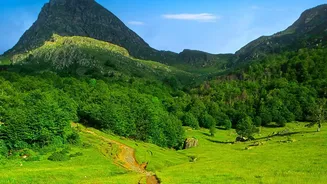
The trek to Deo Tibba's base camp is considered one of the most picturesque journeys in the Manali region. The trail begins near the ancient Jagatsukh village and winds through a stunning variety of landscapes. Trekkers pass through dense forests of pine and birch, cross lush alpine meadows bursting with wildflowers, and navigate glacial moraines. Key campsites like Chikka and Seri offer breathtaking transitions in scenery. The Seri meadow, in particular, is a vast, flat grassland that opens up to the first clear views of Deo Tibba's dome. The journey culminates at the Deo Tibba Base Camp, near the emerald waters of a small glacial lake called Chota Chandratal, offering a sublime view that makes the challenging trek worthwhile.
The Spirit of Mountain Day
While Mountain Day on August 11th is an official holiday in Japan, and the UN designates an International Mountain Day in December, the concept of celebrating mountains resonates deeply in a nation defined by the Himalayas. For India, every trek and expedition is an informal celebration of these natural wonders. In 2026, the focus sharpens on Deo Tibba, partly thanks to a major expedition by the National Cadet Corps (NCC) flagged off in June. Governor Kavinder Gupta, at the flag-off ceremony, highlighted how such ventures build character, discipline, and a spirit of perseverance. These expeditions are not just about reaching a summit; they are about fostering respect for the environment and promoting a spirit of adventure. They serve as a powerful reminder of the importance of preserving these fragile ecosystems for future generations.
A Challenge for the Dedicated
Reaching the summit of Deo Tibba is no small feat. It is a technical climb that serves as a stepping stone for mountaineers aspiring to tackle more formidable Himalayan peaks. The ascent requires experience in high-altitude trekking, glacier travel, and the use of technical equipment like ice axes and crampons to navigate crevasses and steep ice slopes. Multiple trekking agencies outline rigorous itineraries that include essential acclimatisation days to help climbers adapt to the altitude. The challenging nature of the climb ensures that the peak remains relatively pristine, preserving its remote character. For those who undertake it, the expedition is a profound test of endurance and skill, rewarded with unparalleled views and a deep sense of accomplishment.