






The Myth: Avoid Water at All Costs
For generations, a common piece of advice in many Indian families has been to steer clear of bathing when you have a fever. The belief is that exposing the body to water can worsen the illness, prolong the recovery period, or cause the fever to spike.
Instead, the conventional wisdom often suggests bundling up in warm clothes and blankets to “sweat out” the fever. This idea is so deeply ingrained that the thought of a shower can feel counterintuitive when you’re already battling chills and body aches. The fear is that a bath might introduce a chill that the body cannot handle, thereby making you sicker.
The Reality: A Lukewarm Bath Can Be Your Friend
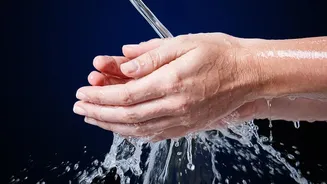
Contrary to the popular myth, modern medical advice suggests that taking a bath during a fever is generally safe and can even be beneficial, provided it is done correctly. The primary purpose of bathing during a fever isn't to cure the illness but to provide comfort, maintain hygiene, and help the body regulate its temperature more effectively. A fever often causes excessive sweating, which can leave you feeling sticky and uncomfortable. A gentle bath can wash away this sweat, making you feel cleaner and more relaxed, which is an important part of the healing process.
Why Cold Water and Ice Are a Big Mistake
The most critical mistake people make is using cold water or ice baths in an attempt to bring a high temperature down quickly. While it seems logical, this approach can backfire dramatically. Exposing the body to cold water triggers a shivering response. Shivering is the body's natural mechanism to generate heat, which can cause your core temperature to rise even higher. Furthermore, cold water causes the blood vessels in your skin to constrict, which traps heat inside your body instead of allowing it to escape. This can make you feel more uncomfortable and actually work against your body's efforts to cool down.
The Goldilocks Rule: Not Too Hot, Not Too Cold
The key to bathing safely with a fever is to use lukewarm water. The ideal temperature is one that feels just slightly cool or comfortable on the skin, often described as tepid. This gentle temperature helps cool the body through evaporation without the shock of cold water that causes shivering. Just as cold water is a bad idea, very hot baths should also be avoided. A hot bath can further raise your body temperature, increase dehydration through sweating, and may cause dizziness, especially when you are already weakened by illness. Keep the bath short and gentle, focusing on comfort rather than a deep clean. After the bath, pat yourself dry immediately and put on light, comfortable clothing.
Special Considerations for Children
When it comes to children, the same principles apply but with extra caution. A lukewarm sponge bath is often the recommended method for helping a child feel more comfortable. Use a soft cloth dipped in tepid water to gently wipe their forehead, neck, armpits, and groin, as these areas are effective for heat dissipation. Never use cold water, ice, or alcohol rubs, as these can be dangerous for a child. It's crucial to remember that for infants under three months, any fever warrants an immediate visit to the doctor. For all children, a bath is for comfort, not a substitute for medication or professional medical advice.
When It’s Better to Wait
While a lukewarm bath is generally safe, there are situations where it’s best to postpone it. If the person with the fever is feeling extremely weak, dizzy, faint, or is confused, attempting a bath could lead to a fall or other accidents. In cases of very high fever accompanied by severe illness, the priority should be seeking medical attention rather than focusing on bathing. The goal is always comfort and safety, so if a person is too unwell to bathe safely, a simple sponge wipe on the face and hands may be a better option until they feel a bit stronger.