

A Prized Delicacy with a Hidden Risk
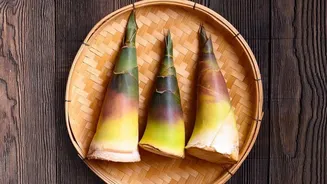
Bamboo shoot pickles are a cherished condiment in many parts of India, celebrated for their crisp texture and complex, tangy taste. However, fresh bamboo shoots contain natural compounds called cyanogenic glycosides. If eaten raw or improperly prepared,
these compounds can release hydrogen cyanide, a potent toxin. The symptoms of cyanide poisoning can range from dizziness and headaches to more severe outcomes. Furthermore, any improperly pickled or canned food carries a risk of bacterial contamination, including the dangerous Clostridium botulinum, which produces the toxin that causes botulism. This makes understanding the correct preparation and preservation techniques not just a matter of taste, but of crucial importance for safety.
First Step: Taming the Bamboo Shoot
Before you even think about spices and oil, the bamboo shoots themselves must be made safe to eat. You cannot use them raw. The process involves peeling away the tough, fibrous outer layers to get to the tender inner core. Once peeled and chopped, the critical step is to boil the shoots. Many traditional methods advise boiling the shoots for at least 20-30 minutes, sometimes repeating the process by draining and adding fresh water. This cooking process is essential as it effectively breaks down and removes the harmful cyanogenic glycosides, rendering the shoots safe for consumption. Some recipes also call for soaking the shoots for a couple of days, changing the water daily, to help remove bitterness and toxins. Never skip this detoxification step.
The Golden Rule: Sterilisation is Key
The phrase "clean storage" starts with a sterile environment for your pickle. Harmful bacteria, yeasts, and moulds can spoil your hard work and pose health risks. Simply washing jars is not enough. Proper sterilisation is a non-negotiable part of the process. A reliable method is to use boiling water. First, wash your glass jars and lids thoroughly in hot, soapy water. Then, place the jars in a large pot, cover them completely with water, and bring it to a rolling boil for at least 10 minutes. Lids should also be sterilised. Once done, carefully remove the jars with clean tongs and let them air dry on a clean towel without wiping the inside, as this could reintroduce contaminants. Always start your pickling process with sterilised jars, preferably while they are still warm.
What Makes a Recipe Reliable?
A reliable pickle recipe is fundamentally a recipe for preservation. The key ingredients—salt, acid (like vinegar), and sometimes oil—are not just for flavour; they create an environment that is hostile to spoilage microbes. A safe recipe will have the correct proportions to ensure this preservative effect. For vinegar-based pickles, the acidity is crucial. The pH should be below 4.6 to inhibit the growth of botulism bacteria. For fermented pickles, the right concentration of salt is vital to encourage the growth of beneficial lactic acid bacteria, which in turn acidify the pickle and preserve it. When following a family recipe or a new one, ensure it has a strong acidic or salt component. Be wary of recipes that call for very low amounts of these preserving agents.
Storing and Spotting Spoilage
Once your pickle is jarred, proper storage is the final step to ensure longevity. Many homemade pickles, especially those not canned in a pressure cooker, should be stored in the refrigerator. Always use a clean, dry spoon to take pickle out of the jar to avoid introducing moisture and contaminants. Even with perfect preparation, it's wise to know the signs of spoilage. Be on the lookout for any visible mould, a slimy texture, or a mushy consistency. A foul or unpleasantly sour smell is another major red flag. If the brine looks excessively cloudy (beyond the normal cloudiness of fermentation), or if the jar lid is bulging, the contents are not safe to eat and should be discarded immediately. When it comes to homemade preserves, the guiding principle must always be: when in doubt, throw it out.