



The Nutritional Showdown
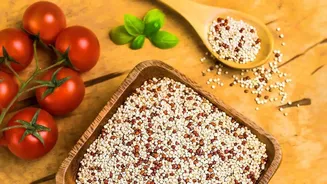
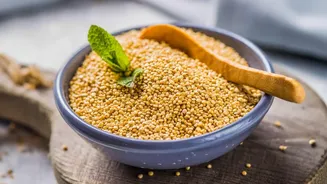
When comparing these two grains, the nutritional facts tell a fascinating story. Per 100g, quinoa leads on protein, offering about 14g compared to ragi's 7-8g. Quinoa is also famously a 'complete protein', meaning it contains all nine essential amino
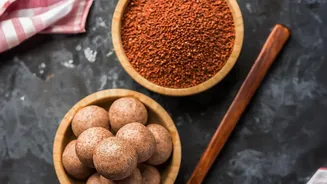
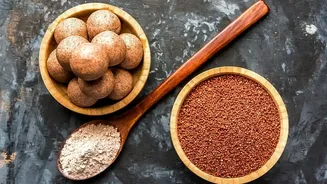
acids, which is rare for a plant-based food. However, ragi, also known as finger millet, has its own superpower: calcium. Ragi provides an astonishing 344-364mg of calcium per 100g, which is seven to ten times more than quinoa. This makes it one of the richest plant-based calcium sources available and a huge asset for bone health. Ragi also holds its own with about 11g of dietary fibre, which is higher than quinoa's 7g, promoting digestive health and sustained energy release.
Iron, Minerals, and Blood Sugar
The mineral comparison continues to highlight their different strengths. While some data shows quinoa having a slight edge in iron content, other millets closely related to ragi, like bajra (pearl millet), contain significantly more iron. When it comes to managing blood sugar, both grains are considered good choices. Quinoa has a low glycemic index (GI) of around 53, meaning it doesn't cause a rapid spike in blood sugar. Ragi's GI is in a similar low-to-medium range, often cited between 54 and 68, but its high fibre content also helps slow down sugar absorption. This makes both grains suitable for a diabetes-friendly diet, provided portion sizes are managed.
The Cost and Climate Factor
This is where ragi pulls ahead decisively for the Indian consumer. Quinoa is largely imported from South America, and its price reflects shipping, import duties, and premium marketing. It can cost four to five times more than ragi. Ragi, on the other hand, is a native Indian crop, widely available and significantly more affordable. Environmentally, millets like ragi are champions of sustainability. They are drought-resistant, thrive in poor soil, and require far less water than many other crops, making them a climate-resilient choice for India's agricultural landscape.
Versatility in the Indian Kitchen
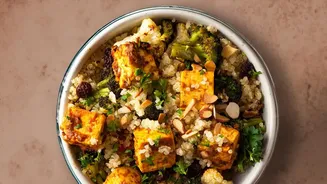
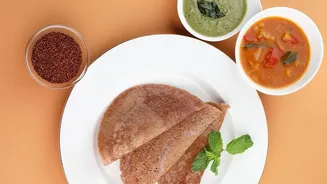
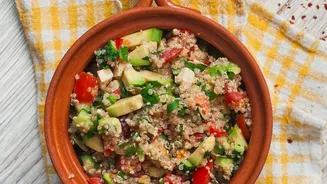
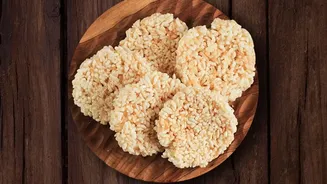
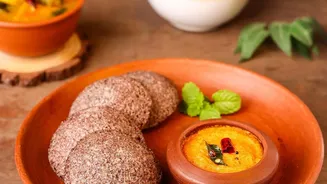
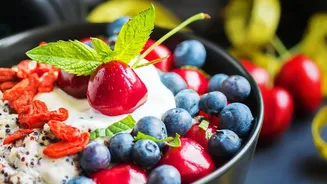
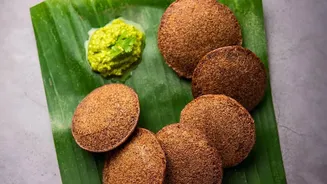
Both grains adapt surprisingly well to Indian breakfast recipes. Quinoa’s fluffy, slightly chewy texture when cooked makes it an excellent substitute for suji or rice in dishes like upma, poha, and pulao. It readily absorbs the flavours of Indian tempering with mustard seeds, curry leaves, and spices. Ragi, with its earthy flavour, is a traditional staple. It’s commonly used to make porridge (ragi malt), soft idlis, and crispy dosas. Ragi flour can also be used to make nutritious chillas and pancakes. While quinoa can be integrated into Indian cooking, ragi has been a seamless part of it for generations.