


The Challenge with Traditional Warnings
For decades, tsunami warnings have primarily relied on two key technologies: seismometers that detect underwater earthquakes and a network of buoys, like the Deep-ocean Assessment and Reporting of Tsunamis (DART) system, that measure changes in sea level.
While these systems are crucial, they have limitations. Seismometers can confirm an earthquake has happened, but not all earthquakes generate tsunamis. Buoys, on the other hand, only confirm a tsunami once the wave physically reaches them, which can be too late for communities close to the source. This leaves a critical gap in warning times, especially for tsunamis generated by non-seismic events like volcanic collapses or landslides, which account for a small but dangerous percentage of all tsunamis.
Listening to the Ocean's Depths
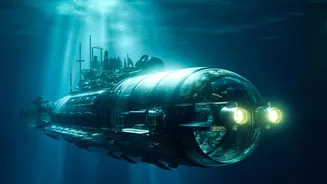
This is where hydroacoustics—the science of sound in water—comes in. Researchers are now using underwater microphones, called hydrophones, to listen for specific acoustic signatures that can signal a developing tsunami. Sound travels through water much more efficiently and, crucially, much faster than a tsunami wave. An acoustic wave from a major undersea event can travel at speeds of around 1,500 meters per second, while a tsunami wave in the open ocean moves closer to 220 meters per second. This speed difference means a hydrophone located thousands of kilometers away could detect a potential threat long before the wave makes landfall, potentially adding precious minutes or even hours to evacuation times.
The Hunga Tonga Game-Changer
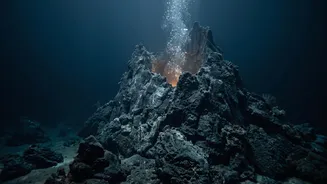
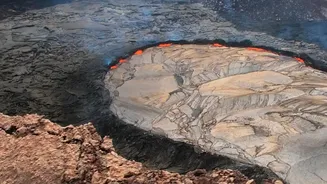
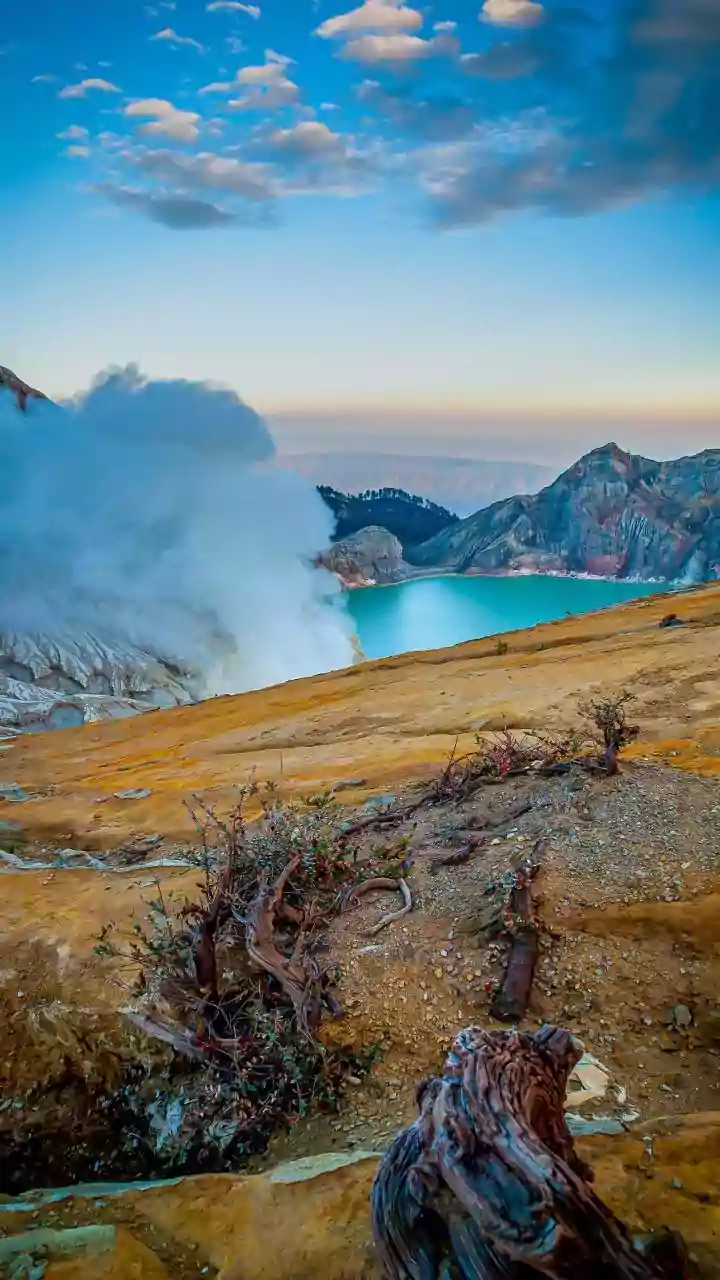
The massive eruption of the Hunga Tonga-Hunga Ha'apai volcano in January 2022 provided a powerful real-world test case. The event, which sent pressure waves around the globe, was one of the most intense volcanic events in modern history. Subsequent analysis revealed that the most destructive tsunami was not caused by the initial explosion, but by the collapse of the volcano's caldera about 90 minutes later. Crucially, this collapse generated a massive and distinct underwater acoustic signal, or T-wave, that was detected by hydrophone stations across the Pacific. Scientists were able to correlate this acoustic signal directly with the timing of the deadly tsunami that followed, proving that the sound itself could serve as a reliable early warning.
From Sound Wave to Warning System
The knowledge gained from events like Hunga Tonga is now being put into practice. Projects like the Global Real-time Early Assessment of Tsunamis (GREAT) system, developed by researchers at Cardiff University, aim to use hydrophone data to assess tsunami risks as they happen. The system is designed to analyze acoustic gravity waves—the specific sound waves generated by the displacement of water from an eruption, earthquake, or landslide—in real-time. By integrating physics-based models with artificial intelligence, these emerging systems can rapidly estimate the source and potential size of a tsunami without waiting for it to be confirmed by sea-level sensors.
The Future of Tsunami Detection
While the technology is incredibly promising, significant challenges remain. The primary hurdle is the sparse network of hydrophones. Currently, only a handful of stations provide real-time data for tsunami monitoring, though experts suggest a global network of just two dozen stations could provide effective worldwide coverage. Another challenge is learning to differentiate the acoustic signature of a tsunami-generating event from the routine rumbles of underwater volcanoes. As researchers refine their algorithms and advocate for an expanded hydrophone network, the concept is clear: listening to the sounds of the deep ocean may soon become one of our most powerful tools in safeguarding coastal communities across India and the world from the threat of tsunamis.