



Myth: You Need Protein Powder to Build Muscle
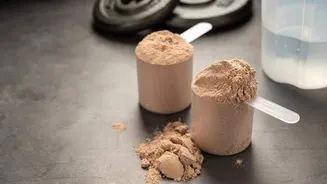
This is one of the most persistent myths. While protein is absolutely crucial for repairing and building muscle tissue after exercise, protein powder itself has no special muscle-growing powers. The key ingredients are amino acids, which are the building blocks
of protein. Your body doesn't distinguish whether these amino acids came from a scoop of powder or a bowl of dal. Muscle growth happens when you combine adequate protein intake with resistance training. The powder is simply a convenient way to get that protein, not a magical requirement. Many people can and do build muscle effectively by consuming enough protein from whole food sources alone.
Fact: Your Protein Needs Depend on Your Lifestyle
There's no one-size-fits-all answer for protein intake. The Recommended Dietary Allowance (RDA) for a largely sedentary adult is about 0.8 grams of protein per kilogram of body weight. However, this is the minimum to prevent deficiency, not necessarily the optimal amount for every goal. Active individuals, athletes, pregnant women, and older adults often require more—anywhere from 1.2 to 2.0 grams per kilogram—to support muscle maintenance, growth, and overall health. Calculating your personal need based on your activity level and goals is the first step before deciding if you need a supplement.
Myth: More Protein Powder Means More Muscle
Consuming excessive amounts of protein won't lead to bigger muscles. Your body has a limit to how much protein it can use for muscle synthesis at one time, typically estimated to be around 20-40 grams per meal. Taking in significantly more than that in one sitting doesn't provide extra benefits. Instead, the excess protein is converted and stored as fat, used for energy, or excreted. So, double-scooping your shake is likely just adding extra calories to your diet without accelerating your gains.
Myth: Protein Shakes Are a Healthy Meal Replacement
While convenient, a protein shake is not a substitute for a balanced meal. Whole foods—like chicken, fish, paneer, lentils, and eggs—come packaged with a wide array of essential nutrients that powders lack, including fibre, vitamins, minerals, and healthy fats. These components are vital for digestion, satiety, and overall health. Relying heavily on shakes can create nutritional gaps. They are best used as what they are: supplements to fill a specific need, such as a quick post-workout recovery drink, not as a routine meal replacement.
Fact: Not All Protein Powders Are the Same
The supplement aisle can be confusing. The most common types are whey and casein, which are derived from milk. Whey is fast-digesting, making it popular for post-workout recovery, while casein digests slowly, often taken before bed. For those avoiding dairy, there are numerous plant-based options like soy, pea, and rice protein. Soy is a complete protein, containing all essential amino acids, while others like pea protein may need to be combined with another source to provide a complete amino acid profile. It is also wise to check labels for unwanted additives, high sugar content, or potential contaminants.
The Bottom Line: Food First, Supplement Second
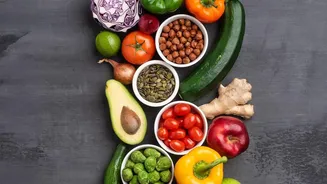
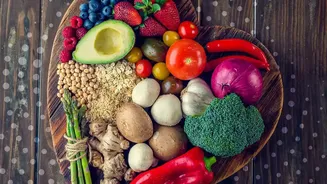
For the vast majority of people, a well-balanced diet is more than enough to meet protein requirements. A rich and diverse Indian diet provides excellent sources through dals, chana, paneer, eggs, and meats. These whole food sources offer superior nutrition because they provide a complete package of nutrients that work together. Protein powders offer undeniable convenience, especially for athletes with high demands or individuals with specific dietary restrictions. However, they should be seen as a tool to 'supplement' a healthy diet, not as its foundation.