



The Truth About Tomatoes
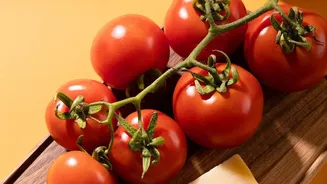
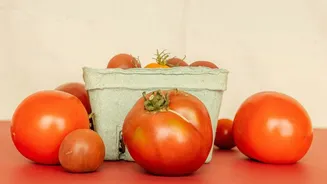
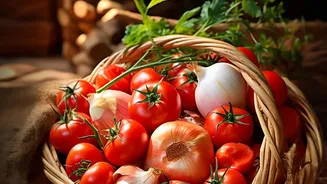
A flavourful, juicy tomato is one of summer's greatest gifts, but a refrigerator can turn it into a mealy, bland disappointment. The reason is scientific and irreversible. Cold temperatures below about 12°C halt the natural ripening process and, more
importantly, shut down the genes responsible for creating volatile aroma compounds. These compounds are what give a tomato its signature grassy, sweet, and tangy smell, which is a huge component of its overall flavour. The cold doesn't just mute the flavour; it permanently damages it. Refrigeration also breaks down the cell membranes within the tomato, causing that desirable firm, juicy interior to become grainy and mushy. For the best taste and texture, store tomatoes on your countertop away from direct sunlight, ideally stem-side down to prevent moisture loss. Only consider the fridge as a last resort to save an overripe tomato for an extra day or two, and even then, use it for cooking rather than eating fresh.
The Problem with Potatoes
Potatoes are a pantry staple for a reason, but their place is in a cool, dark cupboard, not the cold, moist environment of a refrigerator. When potatoes are stored at fridge temperatures, their starches begin to convert into sugars. This process, known as cold-induced sweetening, might sound appealing, but it fundamentally changes the potato's character for the worse. The higher sugar content can cause them to darken unevenly when fried or roasted and gives them an unpleasantly sweet flavour and a gritty, waxy texture after cooking. The ideal storage for potatoes is in a dark, dry, and well-ventilated place, like a pantry or a paper bag in a cupboard. This prevents them from sprouting, which is triggered by light, and keeps their starch content stable. Also, be sure to store them away from onions; the gases released by onions can accelerate sprouting in potatoes.
Why Bread Becomes Stale Faster
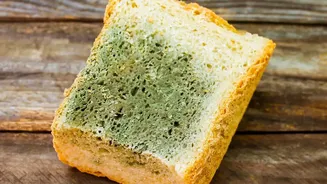
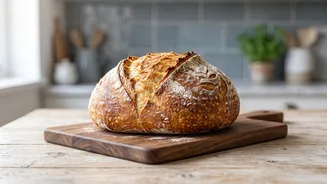
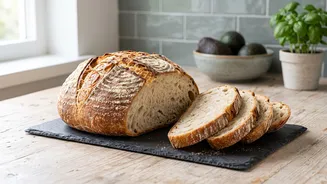
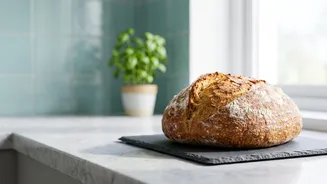
It seems counterintuitive, but storing bread in the refrigerator actually makes it go stale faster. This isn't just about drying out; it's a chemical process called starch retrogradation. After a loaf is baked and cools, its starch molecules naturally begin to recrystallize and harden over time. The cool, but not freezing, temperatures inside a refrigerator accelerate this recrystallization process dramatically—up to six times faster than at room temperature. This is why refrigerated bread quickly develops a tough, leathery texture even if it hasn't lost much moisture. For short-term storage (a few days), your best bet is to keep bread in a bread box or a paper bag on the counter. If you need to keep it for longer, the freezer is your friend. Freezing almost completely halts the staling process. You can freeze an entire loaf or, for convenience, slice it first so you can toast slices directly from frozen.
Other Foods to Keep Out
Tomatoes, potatoes, and bread are the main offenders, but they have company. Onions and garlic, for instance, prefer a cool, dark, and dry spot with good air circulation; the humidity in a fridge can make them soft, rubbery, and prone to sprouting. Whole melons will have a better flavour and retain more antioxidants if left on the counter until you cut them. Honey can crystallize into a thick, grainy sludge in the cold, so it's best kept in your pantry where it will stay liquid and smooth. And your coffee beans or grounds should never see the inside of a fridge. They are porous and will absorb moisture and unwanted odours, which dulls their aromatic oils and ruins the taste of your morning cup.