






Silent Power, Explosive Performance
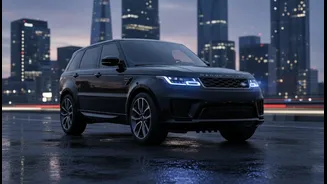
The heart of the new Range Rover Sport Electric is a dual-motor, all-wheel-drive system producing a combined 542 horsepower and a massive 850 Nm of torque. These figures place it firmly in high-performance territory, promising the kind of instant, neck-snapping
acceleration that has become a hallmark of performance EVs. This isn't just about straight-line speed; Land Rover claims the electric powertrain will make the Sport 'more dynamic and faster than ever'. The entire system is built on the brand's flexible Modular Longitudinal Architecture (MLA), which was designed from the outset to accommodate petrol, hybrid, and fully electric powertrains, ensuring the fundamental structure remains a true Range Rover. The power is supplied by a large 118.5 kWh battery, and thanks to an advanced 800-volt architecture, it will support rapid DC fast charging up to 350 kW.
What is Performance Identity?
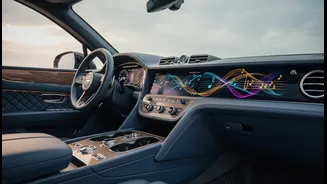
For the Range Rover Sport, performance has never been just a 0-to-60 time. Since its debut in 2005, the 'Sport' badge has signified a unique blend of on-road dynamism, luxurious comfort, and legendary off-road capability. Its identity is rooted in a commanding driving position and the feeling of effortless power, whether navigating city streets or tackling a challenging trail. The most potent petrol versions, like the SV with its 626-horsepower twin-turbo V8, cemented this reputation for formidable, all-surface speed. Preserving this identity in an EV is a monumental task. It means engineering a vehicle that, despite the weight of its battery, handles with agility and precision. It requires delivering not just raw power but a responsive and engaging driving experience that feels distinctly 'Range Rover'. The company has even developed a bespoke sound profile to create a visceral feel that drivers expect.
The Electric Engineering Challenge
Transitioning a heavy, luxury SUV to electric power presents unique challenges. Battery weight is the primary hurdle, as it can negatively impact handling and agility. To counter this, Land Rover is employing an advanced new chassis tune and sophisticated suspension systems. Prototypes showcased at the Goodwood Festival of Speed previewed what Land Rover managing director Martin Limpert called a vehicle that “will redefine performance SUVs again.” Early reports from those who have driven prototypes suggest the low-slung battery actually makes the vehicle feel more stable and less top-heavy than its combustion-engine counterparts, which is a promising sign for its driving dynamics. Another challenge is range. While the large 118.5 kWh battery is substantial, the vehicle's size and weight mean its projected range of around 530 km (330 miles) is considered modest by some, especially when rivals are pushing for more.
A Crowded and Competitive Field
The Range Rover Sport Electric doesn't enter the market in a vacuum. It faces stiff competition from established German rivals who are also electrifying their performance SUV lineups. The forthcoming Porsche Cayenne Electric and BMW's new iX5 are direct competitors, each bringing a strong brand heritage of performance and luxury. While the Range Rover Sport has always stood apart with its unmatched off-road prowess and distinct British luxury, it will need to deliver on its performance promises to capture discerning buyers in the premium EV space. This model is a crucial part of JLR's wider 'Reimagine' strategy, which involves a multi-billion dollar investment in electrification while still offering customers a range of powertrain choices, including plug-in hybrids and mild-hybrid V8s.